English
 Español
 русский
 日本語
日本語
 عربى
عربى


Content
The following is a comprehensive explanation of the different names and meanings of **lifting anchors** in various scenarios:
1. Most Common Names
Construction site slang:
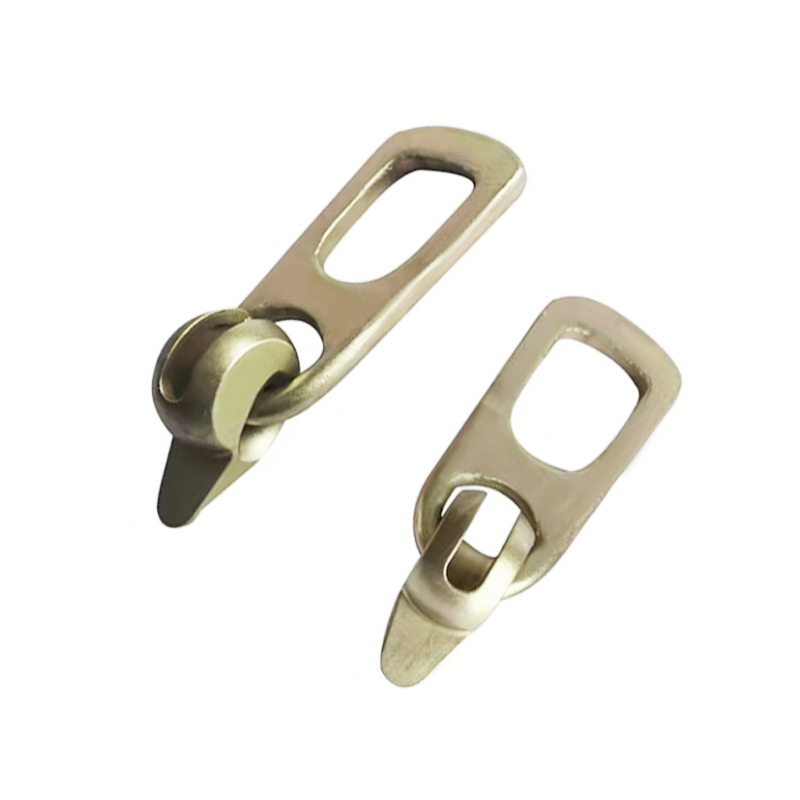
"Lifting point" (directly indicating the function: the location used for lifting)
"Lifting ring" (specifically referring to the exposed U-shaped ring, named after its shape)
Technical document terminology: "Pre-embedded lifting anchor" (emphasizing the need for pre-embedding in concrete)
2. Names in Different Situations
| Scenario | Common Term | Why This Name? |
|---|---|---|
| Design Drawings | Lifting Anchor | Direct English translation; global engineering standard |
| Material Lists | Lifting Anchor Bolt | Emphasizes anchoring function (like ship anchors) |
| Worker Communication | Lift Lug / Hook Point | Visual metaphor ("lug" resembles ear for hanging) |
| Safety Regulations | Lifting Connection | Highlights safety-critical load transfer role |
3. Easily Confused Names
** "Rebar hook": Mistaken for ordinary rebar hooks, but requires special steel (with higher tensile strength).
** "Expansion bolt": Those installed by drilling later cannot be called lifting points (poor load-bearing capacity), true lifting points must be pre-embedded before concrete pouring.
4. Core Function Keywords
Load-bearing: The point where the hook bears the force, capable of supporting tens of tons of weight.
Pre-embedded: Must be fixed before concrete pouring.
Removable: Some lifting points can be removed after use (e.g., bolt-type).
5. Three Key Factors for Selection
How much weight to lift → Determine the load capacity
How many times to use → Temporary lifting ring (single use) vs. Sleeve (repeated use)
Whether or not it needs to be exposed → Concealed type (smooth wall surface) vs. Exposed type (cost-saving)