English
 Español
 русский
 日本語
日本語
 عربى
عربى

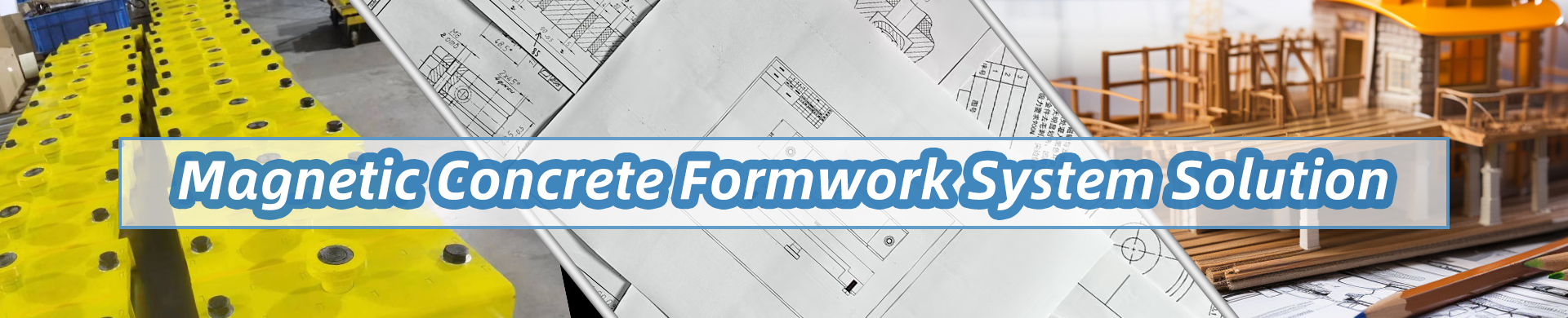

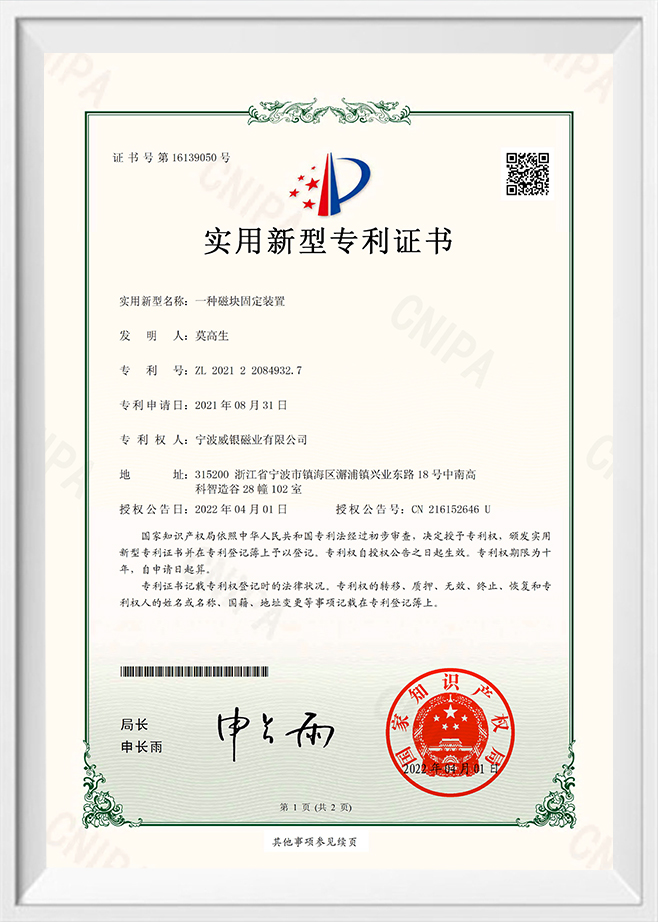
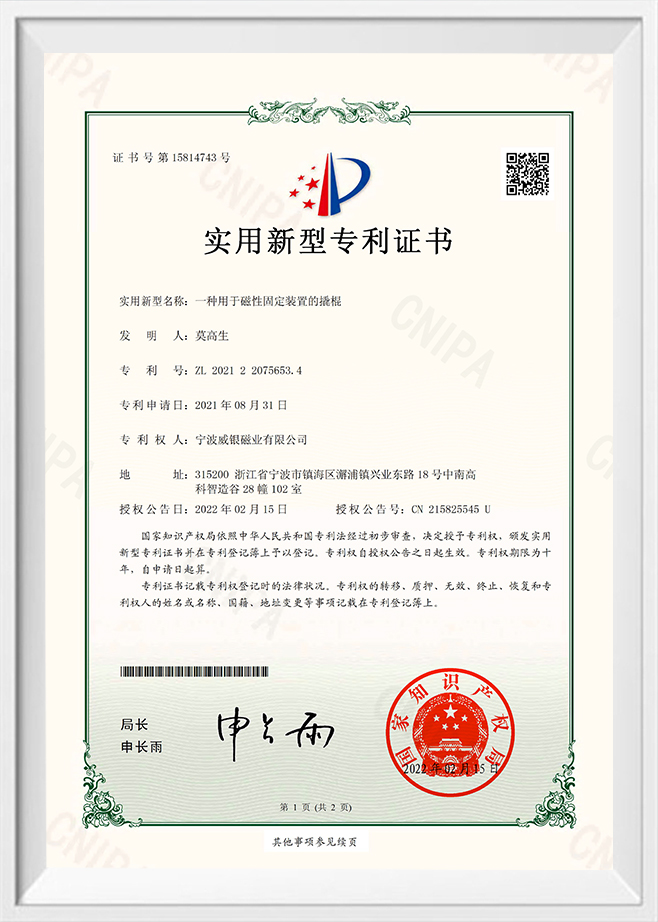
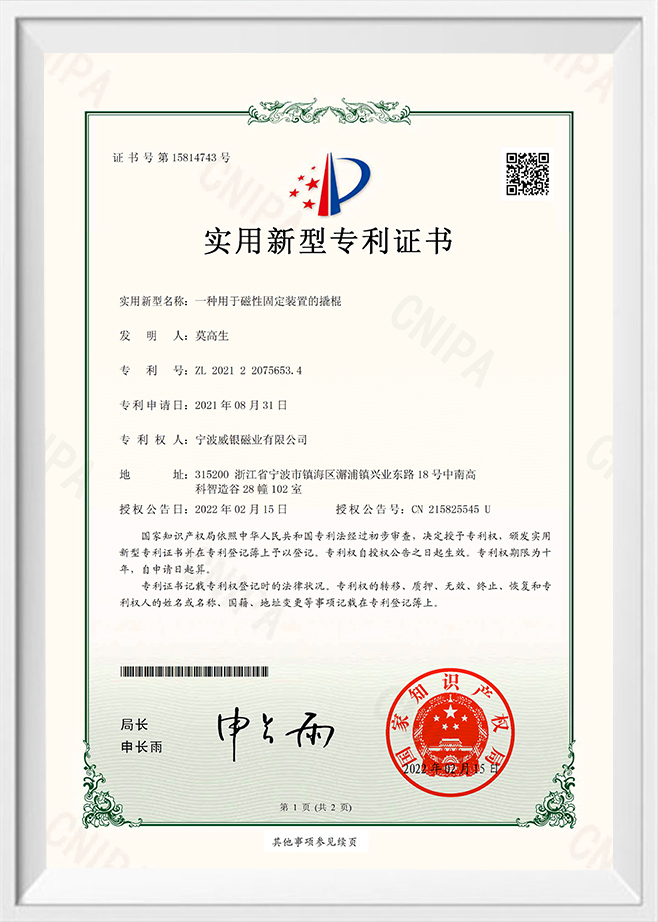

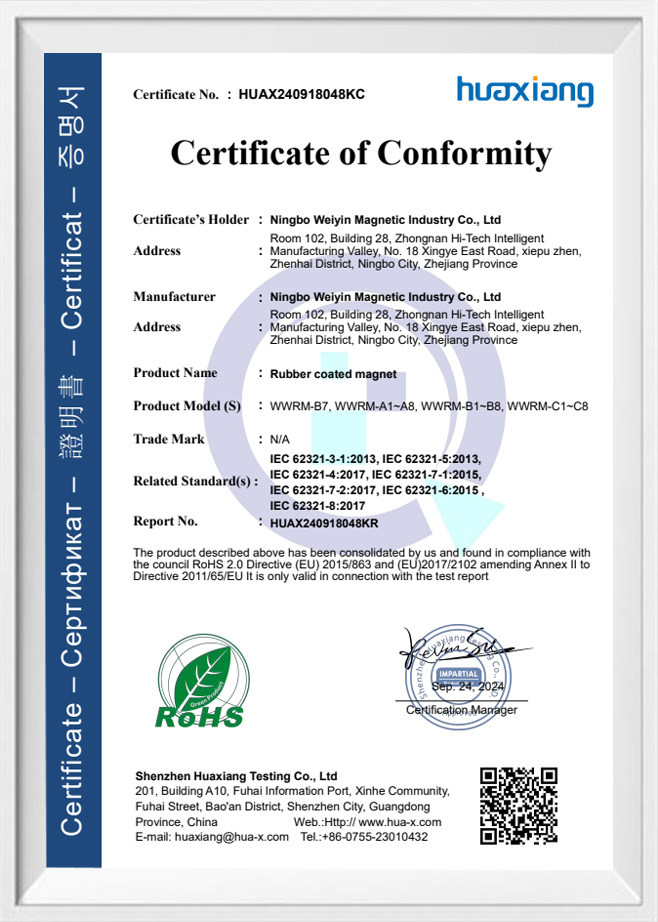
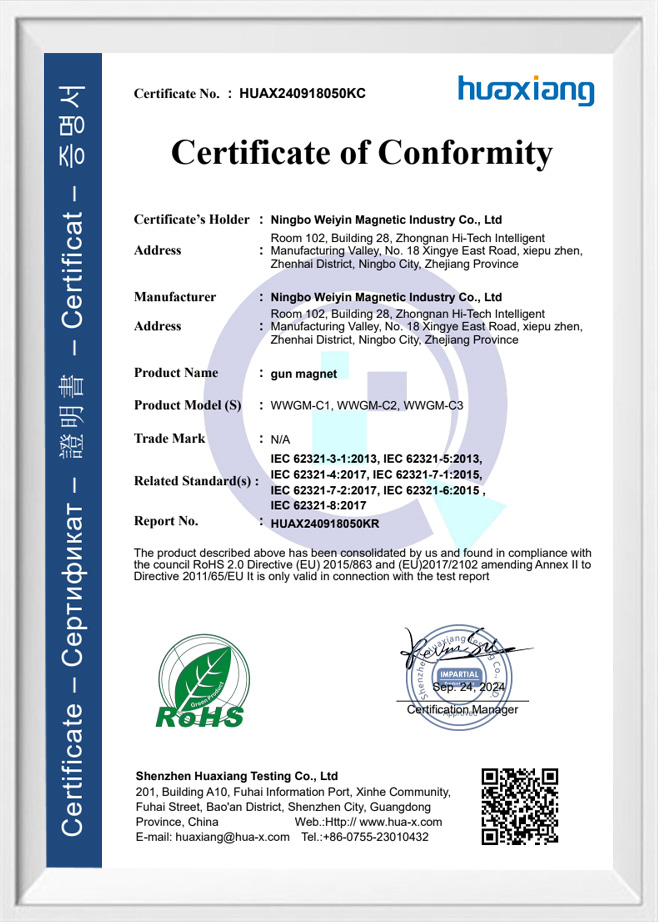
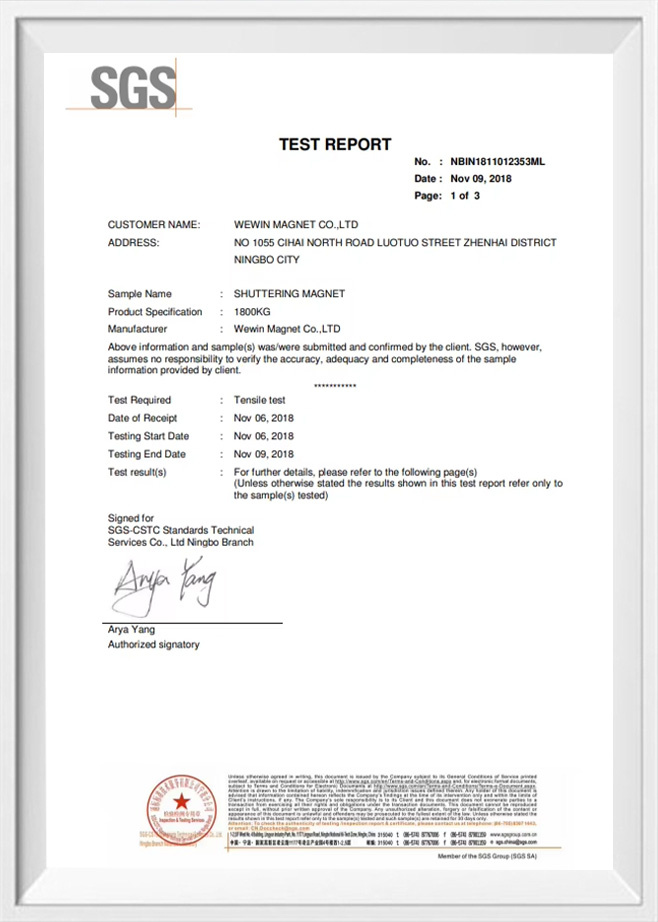
In the modern precast concrete industry, precision and reliability in component positioning are non-negotiable. Ferrule Insert Locator Magnets for precast concrete are specialized magnetic fixtures designed to hold and accurately position ferrule inserts — threaded metal sleeves — within formwork before and during the concrete pour. These components cover a broad range of applications, from wall panels and floor slabs to bridge beams and tunnel segments. At Ningbo Wewin Magnet Co., Ltd, producing ferrule insert locator magnets is not simply manufacturing a commodity part; it is delivering a system-critical solution that directly affects structural integrity, installation speed, and lifecycle cost across construction projects worldwide.
How Ferrule Insert Locator Magnets Work in Precast Production
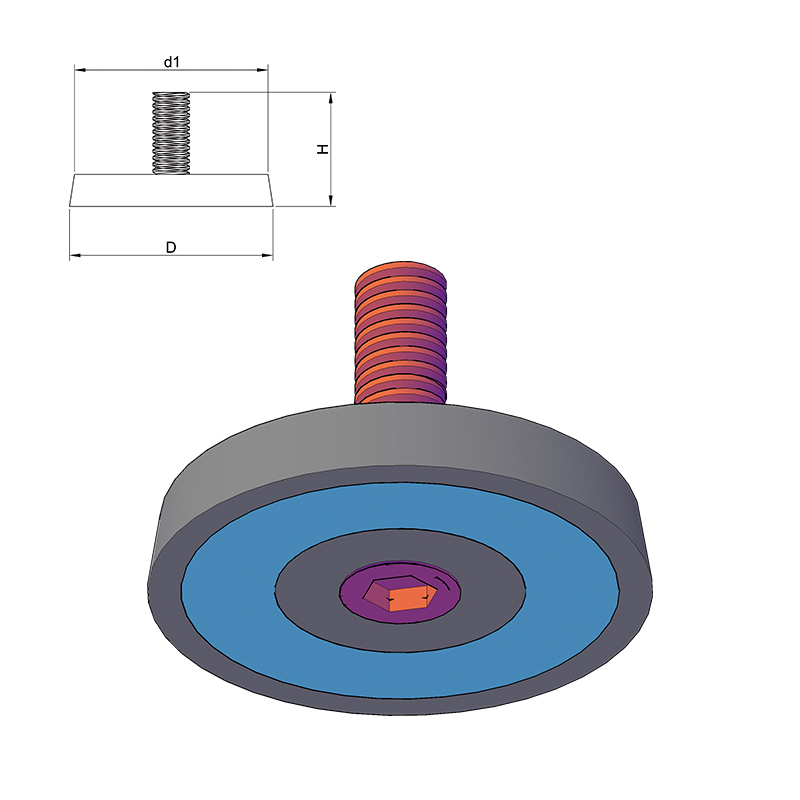
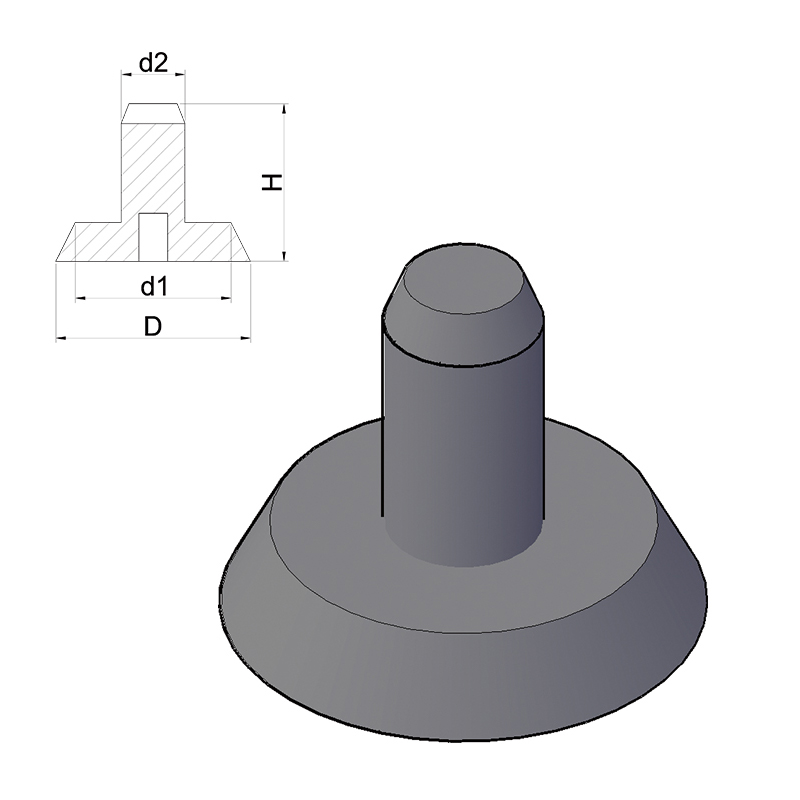
A ferrule insert locator magnet performs a deceptively simple job with demanding tolerances. The magnet body — typically a neodymium or ferrite core encased in a steel or rubber housing — clamps firmly to the steel formwork base. The ferrule insert sits in a precisely machined pocket or stepped bore on top of the magnet, held in alignment while concrete is poured and vibrated around it. Once the concrete cures and the panel is stripped, the magnet releases cleanly from the formwork, leaving the ferrule flush with the concrete surface, ready for lifting hardware or connection bolts.
Getting this process wrong costs real money. A ferrule displaced by even 3–5 mm can cause lifting clutches to bind, crane operations to be delayed, or re-drilling that risks panel cracking. That is why Ningbo Wewin Magnet subjects every locator magnet to dimensional inspection against customer drawings and international tolerancing standards — not just batch sampling, but process-level verification at each production stage.
Key Industry Applications and Market Demand
Demand for ferrule insert locator magnets tracks directly with global precast concrete output. Infrastructure investment cycles in Southeast Asia, the Middle East, and Europe have expanded the application base well beyond simple wall panels. The chart below reflects estimated share of ferrule locator magnet usage by precast segment, based on industry sourcing patterns observed in export orders.
Wall panels dominate because high-rise residential and commercial construction depends on fast-cycle precast. Tunnel segment demand is smaller by volume but carries higher specification requirements — magnets must withstand vibration from tunnel boring machinery during adjacent pours, demanding housing designs with anti-rotation features and reinforced release mechanisms.
Material and Design Choices: What Actually Matters on the Factory Floor
Not every ferrule insert locator magnet is built the same. Specifiers and purchasing managers often underestimate how much design variation exists between suppliers. The table below compares the three most common magnet types used in precast applications:
| Type | Core Material | Holding Force | Temperature Limit | Typical Lifespan (cycles) | Best For |
|---|---|---|---|---|---|
| NdFeB (Neodymium) | Rare-earth alloy | High (1000–2000 N) | 80°C (standard grade) | 50,000+ | High-speed production lines |
| Ferrite (Ceramic) | Strontium ferrite | Moderate (400–800 N) | 250°C | 30,000–50,000 | Steam-cured panels, cost-sensitive |
| Hybrid (NdFeB + Steel pot) | NdFeB in steel housing | Very High (1500–2500 N) | 120°C (H-grade) | 80,000+ | Heavy tunnel / infrastructure |
At Ningbo Wewin Magnet, customers regularly request hybrid pot-magnet designs where the steel housing concentrates flux onto the formwork surface while protecting the rare-earth core from concrete alkalinity and mechanical impact. The housing material — mild steel, stainless, or rubber-coated — is selected based on the client's stripping method and cleaning protocol.
Quality Control: Every Process Step Counts
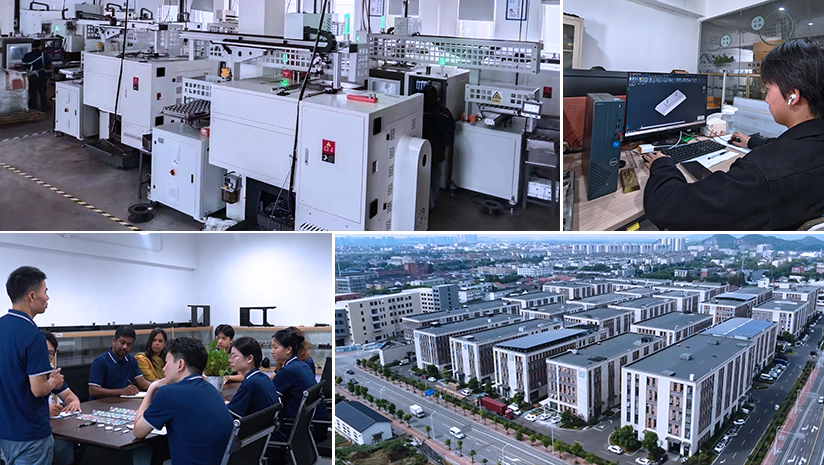
The precast industry's shift toward factory-certified quality systems (ISO 9001, EN 13369) has raised the bar for magnetic component suppliers. A poorly magnetized batch that reaches site undetected can ground an entire day's crane schedule. Ningbo Wewin's internal protocol covers incoming raw material inspection, machining dimensional checks, magnetization curve verification, and finished-product pull-force testing — every process step is inspected, not just the final product.
Finished products are inspected against both customer-specific drawings and applicable international standards before shipment. Pull-force data is recorded per batch, and out-of-tolerance units are quarantined rather than reworked — a deliberate policy that keeps defect escape rates below 0.05% on an annual basis.
This kind of batch-level traceability is what allows Ningbo Wewin to back up its quality claims to customers auditing supplier processes. It is also why experienced precast manufacturers evaluate magnet suppliers on data transparency, not just price.
Selecting the Right Supplier: Beyond the Price Sheet
Procurement teams sourcing ferrule insert locator magnets for the first time often focus exclusively on unit price. In practice, five factors drive the total cost of ownership across a precast production run:
- Dimensional accuracy — affects insert positioning and installation speed on site
- Holding force consistency — determines whether inserts stay put during vibration compaction
- Release behavior — clean strip cycles reduce formwork wear and cleaning time
- Durability — cycle life determines repurchase frequency and downtime
- Lead time and logistics flexibility — precast schedules cannot absorb supply surprises
Ningbo Wewin Magnet's approach is to make this evaluation straightforward for buyers. Quotations clearly state the trading terms — FOB, CIF, CNF, or others — so customers can compare landed costs accurately. For bulk orders, the standard payment structure is 30% advance with the balance due against presentation of the bill of lading. Telegraphic transfer is the most common method, with letters of credit accepted where project financing structures require them. This transparency reduces negotiation cycles and lets both sides focus on technical fit.
Installation Practice: Common Errors and How to Avoid Them
Most field problems with ferrule insert locator magnets trace back to one of four root causes. Understanding these helps precast production managers write better work instructions and incoming inspection criteria.
Formwork Contamination
Concrete residue on the formwork surface reduces effective magnetic contact, sometimes halving holding force. Cleaning protocols using plastic scrapers and release agent re-application after every 5–10 cycles are industry standard and should be written into the production SOP.
Wrong Magnet Grade for the Application
Steam curing at 60–80°C is standard for accelerated precast production. Standard NdFeB (N-grade) magnets lose a measurable fraction of their magnetization above 80°C. Specifying ferrite-core or H-grade NdFeB for steam-cured lines is not optional — it is a design requirement.
Insert Rotation During Vibration
Ferrule inserts that are not rotationally keyed can spin during internal vibration, leaving the threaded bore at an angle. Anti-rotation pins or stepped pocket designs in the magnet housing prevent this. Wewin's locator magnets offer both options depending on the ferrule geometry specified by the customer.
Incorrect Bolt Torque on Retrieval
Over-torquing the extraction bolt damages the release mechanism and reduces housing service life significantly. Torque values between 8–15 Nm are typical for M12–M16 release bolts; customers are advised to use torque-limiting tools rather than impact drivers during stripping.
Frequently Asked Questions
Can ferrule insert locator magnets be reused across multiple projects?
Yes. A well-maintained NdFeB hybrid pot magnet is designed for 50,000 to 80,000+ strip cycles. The practical limiting factor is usually housing wear from repeated stripping rather than magnetic degradation. Regular inspection of the rubber seal (if fitted) and the release bolt thread is sufficient maintenance for most production environments.
What is the lead time for a custom ferrule insert locator magnet order from Ningbo Wewin Magnet?
Standard catalogue sizes are typically available within 2–4 weeks for bulk orders. Custom designs — including non-standard pocket geometry, special housing materials, or OEM marking — require an additional 1–2 weeks for tooling verification. Customers are encouraged to share CAD drawings early in the quoting process to avoid late design changes that extend lead time.
How does Wewin handle payment and shipping terms for international orders?
When Ningbo Wewin Magnet provides a quotation, trading terms (FOB, CIF, CNF, etc.) are confirmed in writing at the same time. Bulk orders require 30% advance payment, with the remaining balance payable against presentation of the bill of lading. Telegraphic transfer (T/T) is standard; letters of credit are also accepted. This structure is designed to align with the project finance timelines typical in international construction procurement.
What quality standards apply to these magnets?
Finished products are inspected against customer-supplied drawings and international standards. Pull-force testing, dimensional inspection, and magnetization verification are conducted on every production batch. Wewin issues batch test reports upon request, which allows customers to incorporate magnet QC data directly into their own precast panel certification documentation.
Do these magnets work with all formwork steel types?
Ferrule insert locator magnets are designed for use on ferromagnetic steel formwork — mild steel tables and side forms are ideal. They do not function on aluminum or plastic formwork. On very thick steel (above 20 mm), flux saturation is not a concern, but on thin sheet steel (under 5 mm), a backing plate may be required to achieve rated holding force. Wewin's technical team can advise on specific formwork configurations.