English
 Español
 русский
 日本語
日本語
 عربى
عربى

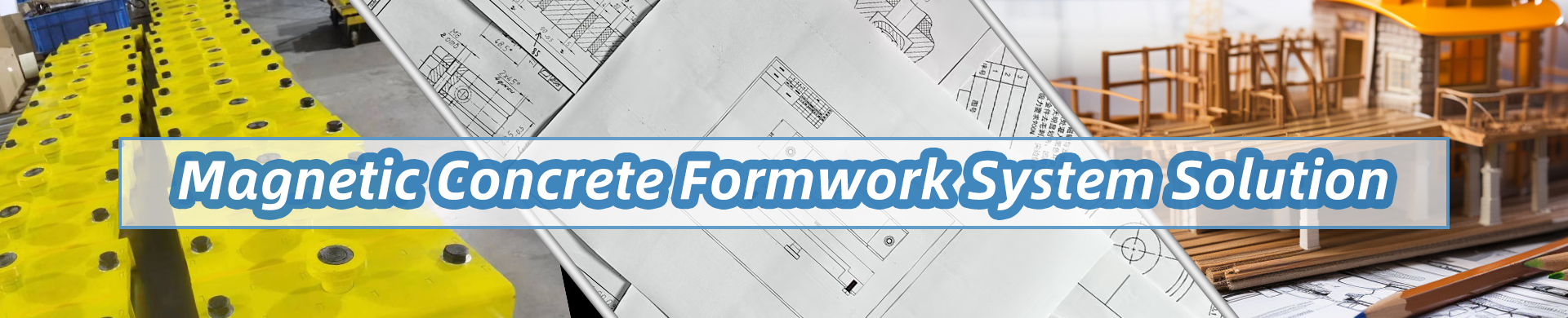
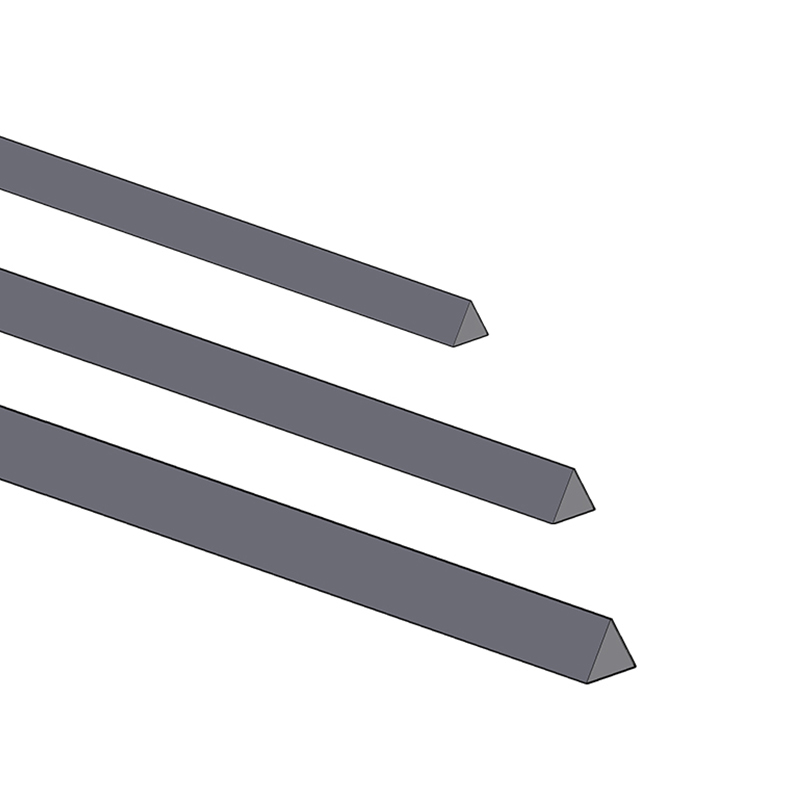


In precast concrete construction, the small details often determine the structural quality and surface finish of a finished element. Magnetic chamfer strips represent one of those details — a deceptively simple component that shapes edges, seals formwork joints, and eliminates costly post-cast grinding. Broadly speaking, a magnetic chamfer is a profiled rubber or PVC strip embedded with permanent magnets, designed to attach directly to steel formwork faces without fasteners or adhesive. The magnet holds the strip firmly in position throughout the pour, casting a clean beveled edge into the concrete surface as it cures. From wall panels and tunnel linings to bridge beams and architectural facades, magnetic chamfer systems are found wherever precast producers need repeatable, sharp edge profiles with minimal labor.
How Magnetic Chamfer Works in Precast Formwork
Steel molds dominate industrial precast production because they are dimensionally stable and reusable. The challenge has always been fixing auxiliary profiles — chamfers, recesses, blockouts — without drilling holes that weaken the mold or leaving adhesive residue that slows stripping. Magnetic chamfer strips solve this by integrating rare-earth or ferrite magnets directly inside the profile body.
When placed against a steel mold surface, the magnetic force can reach 30–120 N per linear meter depending on magnet grade and strip width. That holding force is strong enough to resist concrete pressure during vibration compaction yet gentle enough that the strip can be repositioned in seconds — no tools required. After demolding, the strip peels free cleanly, leaving a precisely formed chamfered edge on the concrete element.
The cycle above repeats for every pour. Because the strip requires no additional bonding agent, cleaning time between uses is dramatically reduced compared to glued PVC alternatives. A single strip can typically endure 200+ pour cycles before the rubber compound shows meaningful wear — a durability benchmark that factors heavily into total cost-of-ownership calculations for busy precast plants.
Common Magnetic Chamfer Profiles and Their Applications
Profile geometry directly affects both the structural behavior of the cast edge and its visual appearance. The table below summarizes the most widely used cross-sections and where they are typically specified:
| Profile Name | Angle / Radius | Typical Width (mm) | Primary Application |
|---|---|---|---|
| Standard 45° Chamfer | 45° | 10 – 20 | Wall panels, columns, slabs |
| Bull-nose (Radius) | R6 – R20 | 10 – 30 | Architectural facades, stairs |
| Double Chamfer | 45° × 2 | 20 – 40 | Tunnel segments, bridge beams |
| Right-angle Recess | 90° | 15 – 50 | Joint recesses, utility panels |
| Custom Profile | To drawing | Any | Bespoke architectural elements |
For tunnel lining segments in particular, double chamfer profiles serve a structural purpose beyond aesthetics: the beveled edges prevent spalling at the assembly joints when adjacent rings are bolted together under high annular pressure.
Labor Efficiency: Magnetic vs. Conventional Fixing Methods
The productivity case for magnetic chamfer systems is clear when you measure the time spent fixing, inspecting, and removing edge profiles per shift. The following data is compiled from precast operations that transitioned from nail-fixed PVC to magnetic strips across a 12-month production window.
Switching to magnetic chamfer strips reduced per-meter setup time by roughly 73% compared to nail-fixed profiles in the plants surveyed. On a production line processing 400 linear meters of chamfer daily, that translates to approximately 3.6 operator-hours saved every shift — time that can be redirected to quality checks, mold cleaning, or additional pour cycles.
Why Source Magnetic Chamfer from Ningbo Wewin Magnet Co., Ltd
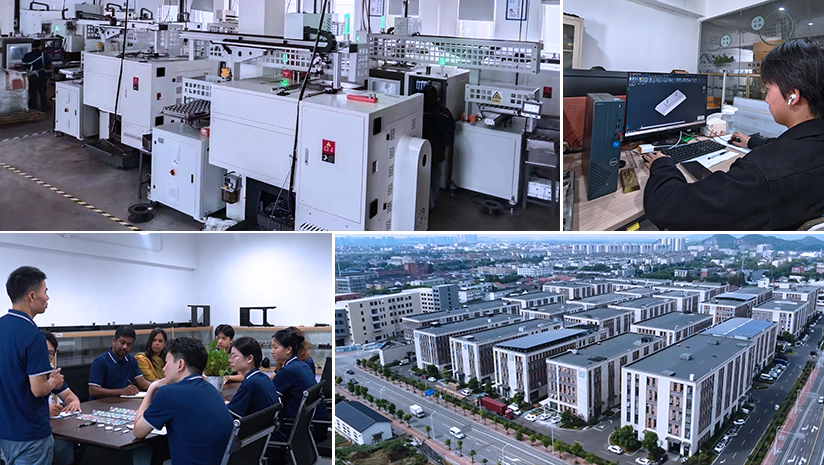
Ningbo sits at the center of China's magnet manufacturing belt, and within that ecosystem, Ningbo Wewin Magnet Co., Ltd has built a reputation grounded in something specific: combining thoughtful engineering with genuine manufacturing depth. The company operates a fully equipped production facility capable of handling high-volume orders without compromising dimensional tolerances — a requirement that many buyers discover matters more than price when they are running a tight production schedule.
What sets Wewin apart is a principle the company holds to internally: brilliant design meets marvelous manufacturing. That phrase is not marketing language — it reflects how product development actually works there. Engineers and production staff work through material selection, magnet placement, and rubber compound formulation together rather than in separate silos. The result is a magnetic chamfer product line where the holding force, the profile geometry, and the strip durability are engineered as a system rather than assembled from off-the-shelf parts.
The factory's sound facilities and full-function production lines make it well suited for mass production at consistent quality levels. This matters because a magnetic chamfer strip that holds perfectly in January but loses 15% of its pull force by June — due to inconsistent magnet grade or rubber hardness variation — creates real problems on a precast plant floor. Wewin's quality controls address this directly with batch testing protocols on both the magnetic assemblies and the extruded profiles.
Magnetic Holding Force Retention Over Production Cycles
One question precast engineers consistently ask is how magnetic chamfer strips perform over time. Rare-earth magnets do not demagnetize easily under normal operating temperatures (precast environments rarely exceed 60°C), but mechanical wear on the rubber housing can cause the strip to lose contact area with the mold surface, effectively reducing holding force. The chart below illustrates a typical force-retention curve measured at 25°C:
Under normal use conditions, a well-manufactured magnetic chamfer strip retains above 88% of initial pull force at 250 cycles. Degradation below this threshold is usually caused by surface contamination (release agent build-up on the mold face) or physical deformation of the rubber housing rather than magnet decay. Regular cleaning of both the mold surface and the strip base extends service life considerably.
Industry Demand for Magnetic Chamfer by Segment
Demand for magnetic chamfer systems has grown across multiple construction segments over the past decade, driven largely by the global expansion of industrialized precast production. The following breakdown reflects the estimated share of magnetic chamfer consumption by end application in mature precast markets:
Wall panel production accounts for the largest slice because residential and commercial precast construction volumes far exceed infrastructure projects in most markets. Tunnel segment manufacturing, however, is the fastest-growing sub-segment, driven by urbanization and metro expansion programs across Asia and the Middle East — regions where Wewin has seen year-on-year inquiry growth exceeding 30% for chamfer products suited to curved mold applications.
Material Composition: What Makes a Good Magnetic Chamfer Strip
Not all magnetic chamfer strips are built the same way. The quality gap between a budget strip and a well-engineered one becomes visible within the first 20 production cycles. Three material decisions define long-term performance:
Rubber or PVC Compound
Chloroprene rubber (CR) and EPDM are preferred over rigid PVC for strips used in high-cycle environments because they maintain elasticity across a wider temperature range (typically −30°C to +70°C). Rigid PVC becomes brittle in cold workshop conditions and is more prone to cracking at corners and joints. Shore hardness of 60–70A strikes a practical balance: firm enough to hold the profile dimension under concrete pressure, flexible enough to peel from the mold without tearing.
Magnet Grade and Placement
Ferrite magnets are cost-effective for strips with moderate hold requirements, while neodymium (NdFeB) grades (typically N35–N45) are selected when the application demands high pull force in a narrow strip width. The positioning of magnets within the rubber body matters as much as grade: magnets spaced at regular intervals of 50–80 mm provide more uniform contact than a single continuous magnetic strip, because they compensate for minor surface irregularities in the mold face.
Profile Dimensional Tolerance
A chamfer that varies by ±1 mm in width along its length will cast a noticeably inconsistent edge on the finished element. Quality production processes hold width tolerance to ±0.3 mm and height tolerance to ±0.2 mm over a 3-meter strip length. Achieving this consistently requires both accurate extrusion tooling and stable rubber compound formulation — areas where factory capability translates directly into product quality.
Frequently Asked Questions About Magnetic Chamfer
Can magnetic chamfer strips be used on non-steel molds?
Magnetic chamfer strips only adhere to ferromagnetic surfaces — steel and some cast iron molds. They will not hold to aluminum molds, fiberglass molds, or timber formwork. If you are working with aluminum molds, mechanically fixed PVC profiles or adhesive-backed strips are the practical alternative. Most large-format precast molds (battery mold systems, tilt-up tables, beam molds) are fabricated from structural steel, so compatibility is rarely an issue in industrial precast settings.
How do I prevent the strip from floating or shifting during vibration?
Three factors influence positional stability during vibration: magnet pull force, mold surface condition, and vibration frequency. The most common cause of strip migration is release agent contamination on the mold surface — oil films reduce effective magnetic contact area significantly. Wiping the mold face with a dry cloth before positioning the strip, and ensuring the strip base is clean of hardened concrete residue, will resolve most displacement issues. If the application involves internal vibrators positioned close to the strip, increasing magnet grade (from ferrite to NdFeB) may be warranted.
What is the typical minimum order quantity for custom profiles from Ningbo Wewin?
For standard catalogue profiles (45° chamfer, bull-nose, double chamfer), Wewin can accommodate relatively small trial orders given that production tooling already exists. Custom cross-sections require new extrusion tooling, which shifts the economics toward larger minimum quantities — typically 500 linear meters or more to amortize the tooling cost effectively. The factory's capacity for mass production means that once tooling is in place, lead times for repeat orders are short and batch-to-batch consistency is high.
Will the magnets damage measuring instruments or electronic equipment on the job site?
The magnetic field from chamfer strip magnets is localized and drops off quickly with distance — typically to negligible levels within 30–50 mm of the strip surface. Standard surveying instruments, laptops, and mobile devices kept at normal working distances are unaffected. The one practical precaution is to store strips away from older magnetic media (floppy disks, magnetic tape) and from pacemaker wearers, who should maintain a safe working distance as per standard magnet handling guidelines.
How should magnetic chamfer strips be stored between production runs?
Store strips flat or vertically on edge, away from direct sunlight and heat sources above 60°C, which can accelerate rubber aging. Avoid stacking strips with opposing magnet orientations face-to-face without a steel keeper plate or a sheet of soft material between them — opposing poles attract strongly and can crush or distort the rubber profile over time. A clean, dry environment with ambient temperatures between 5°C and 40°C is sufficient for long-term storage without measurable magnetic decay.
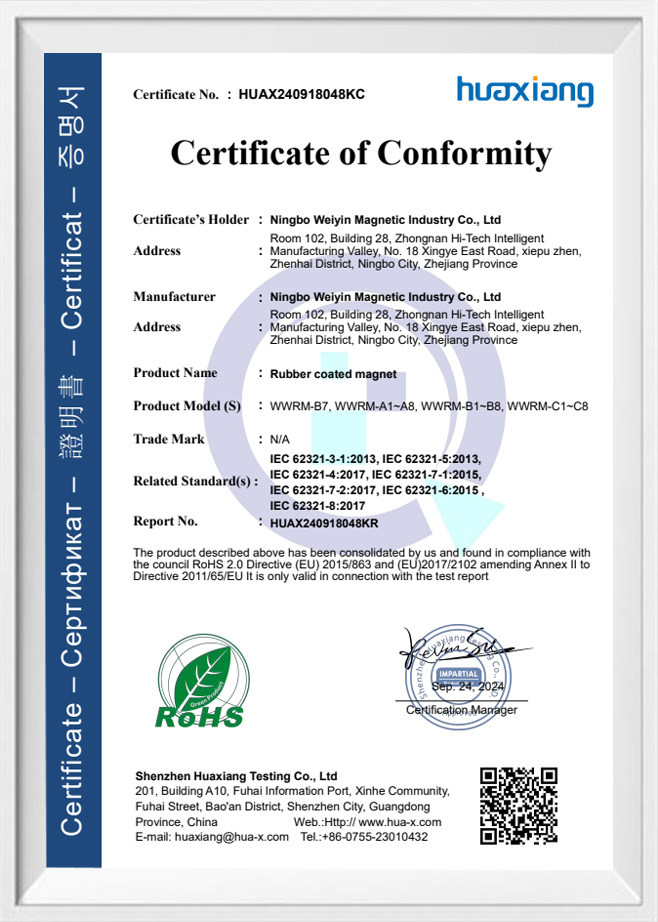
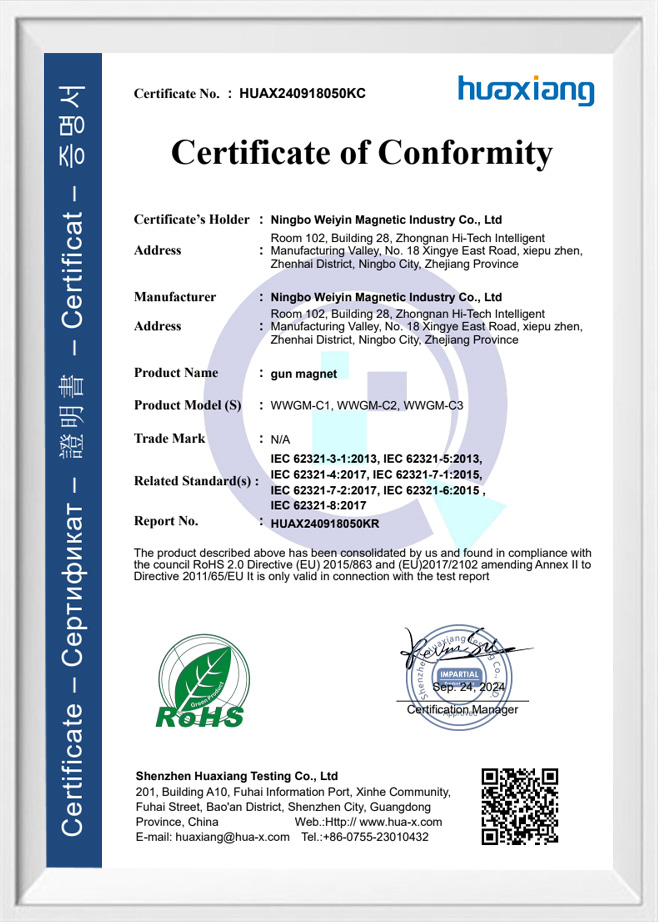
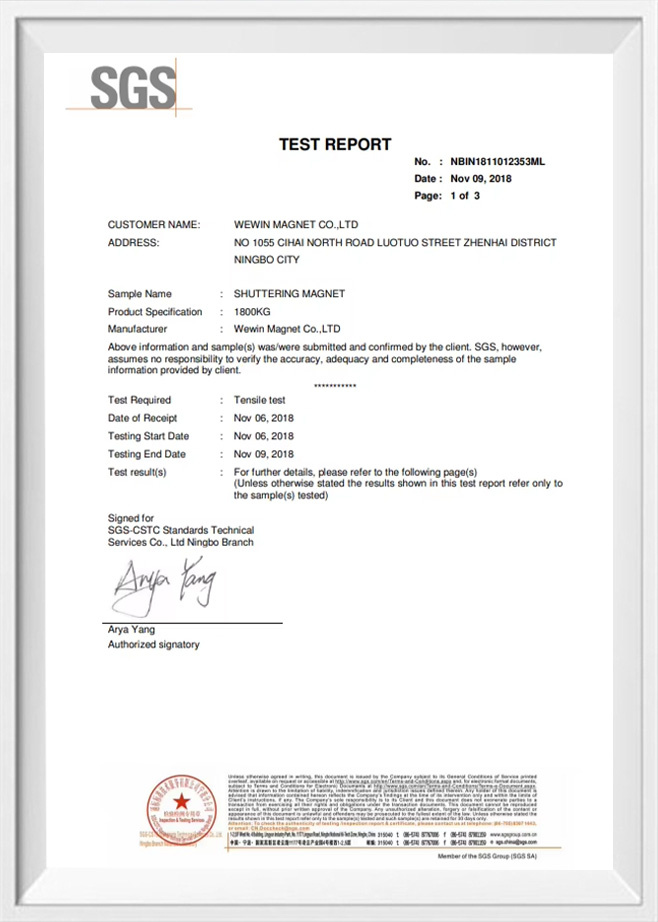
Does Ningbo Wewin offer testing or certification data for their magnetic chamfer products?
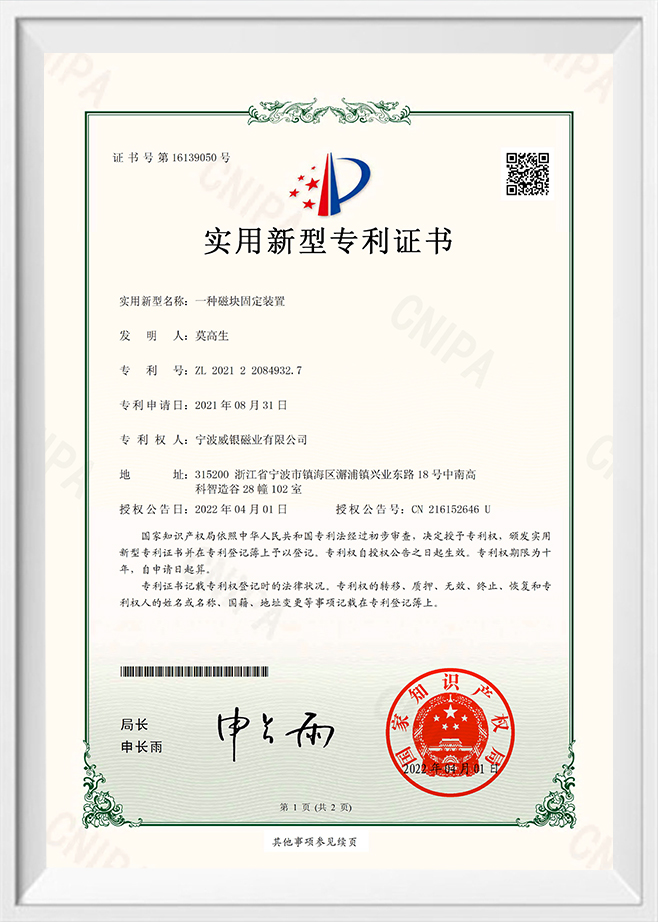
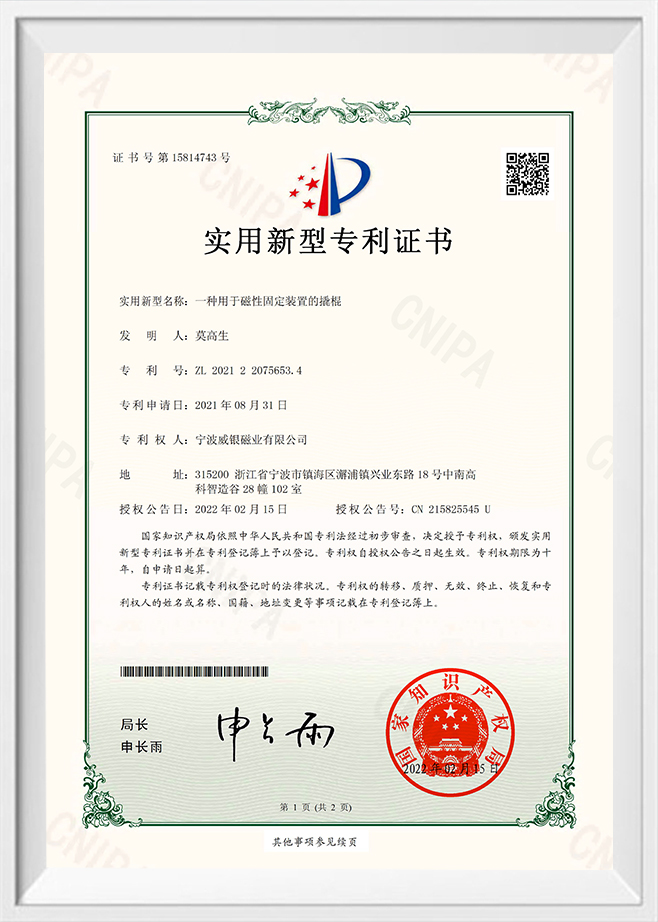
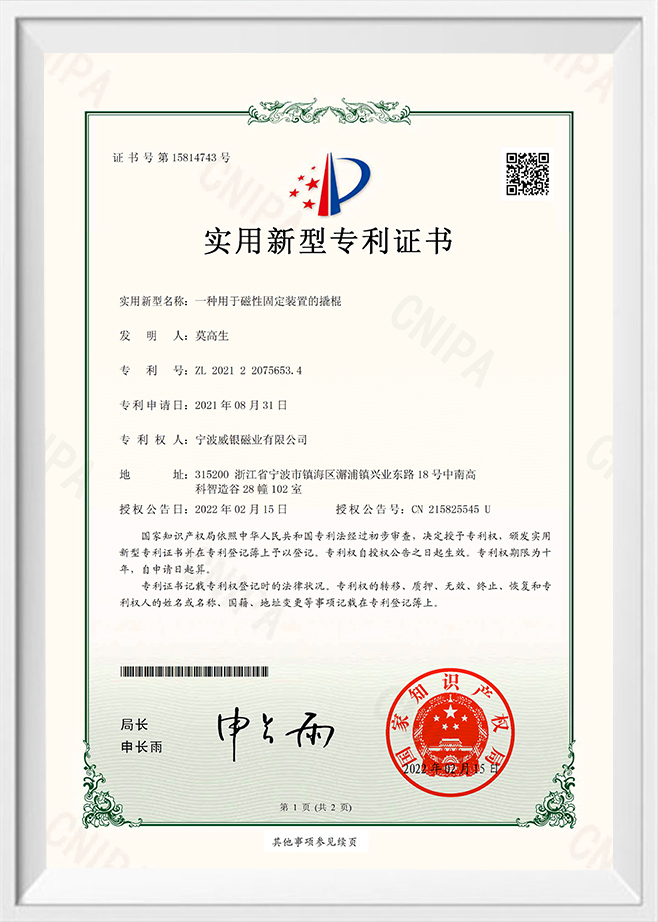
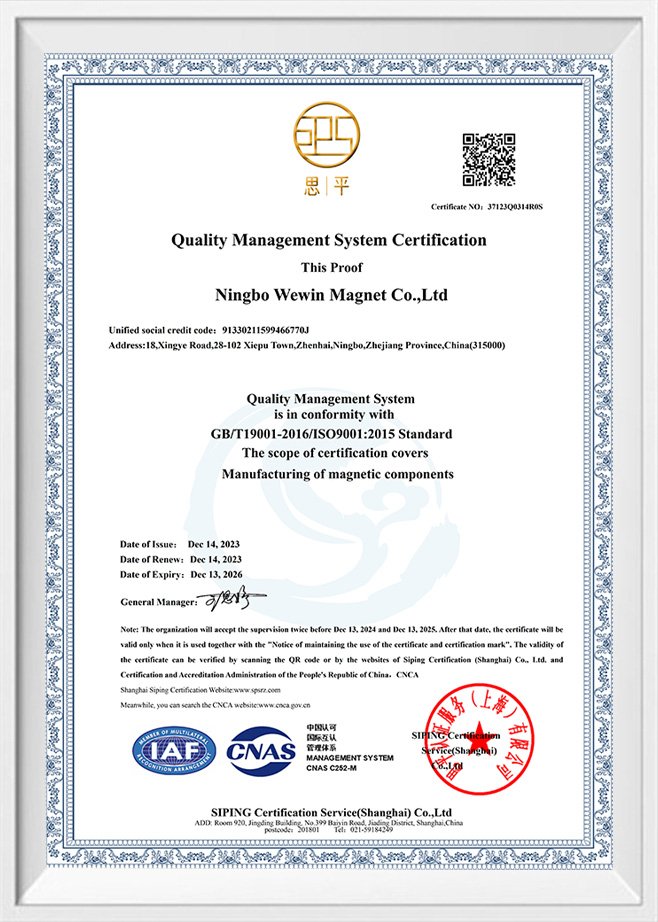
Yes. Wewin's production process includes pull-force testing on finished strips as part of batch QC, and documentation can be provided on request. For projects requiring third-party material certification (common in infrastructure contracts), the factory can coordinate with accredited testing agencies. Given the company's focus on not reducing what the customer expects — a standard they hold internally across all product lines — providing traceable quality documentation is considered a baseline requirement, not an optional service.
Selecting the Right Partner for Magnetic Chamfer Supply
Sourcing magnetic chamfer strips is rarely a one-time purchase — once a precast plant standardizes on a product, switching involves re-qualification, tooling review, and worker retraining. That makes the initial supplier choice consequential. The factors that matter most in practice: dimensional consistency across batches, responsive technical support when a profile needs adjustment, and the production scale to meet volume requirements without long lead times.
Ningbo Wewin Magnet Co., Ltd addresses all three. The company's facility is equipped for mass production with the quality systems to back it up. Whether the requirement is a standard catalogue chamfer for a wall panel plant or a custom profile for a curved tunnel segment mold, the team brings engineering input alongside manufacturing capacity. That combination — design expertise matched with production infrastructure — is what separates a magnetic chamfer supplier from a component vendor.