English
 Español
 русский
 日本語
日本語
 عربى
عربى

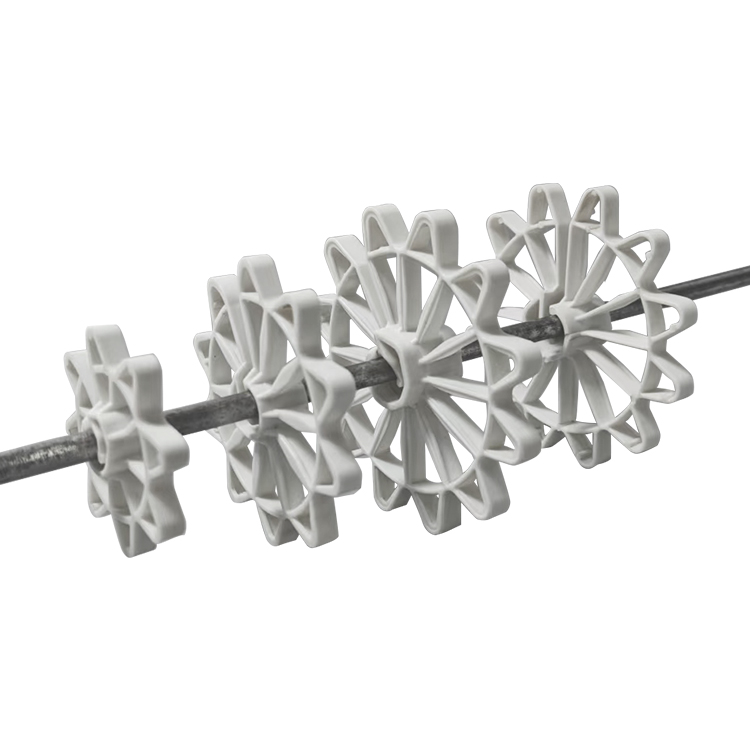
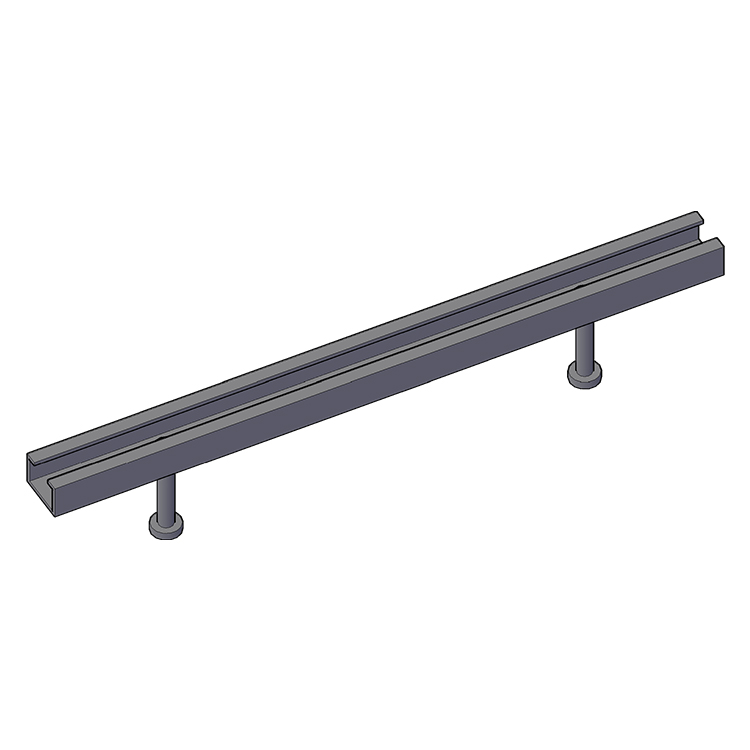
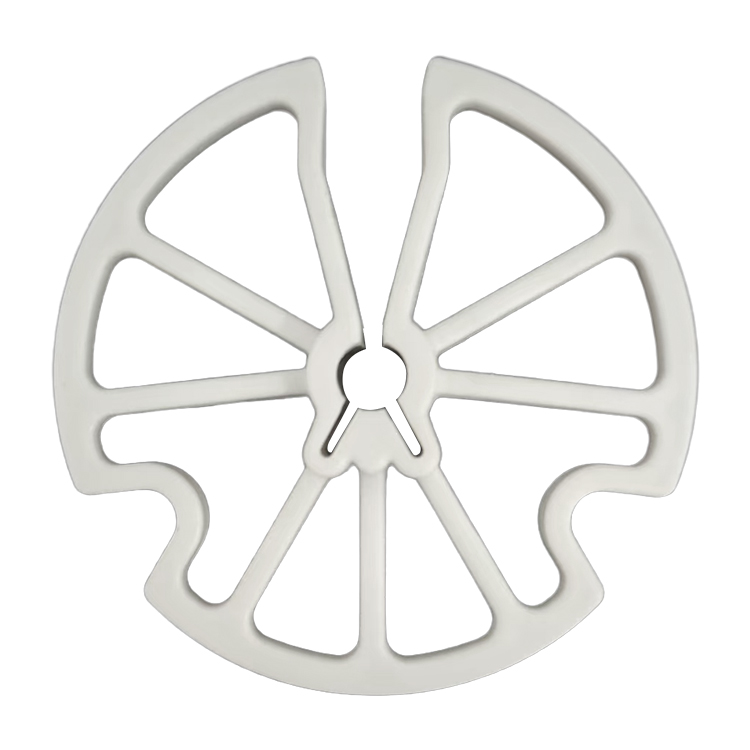
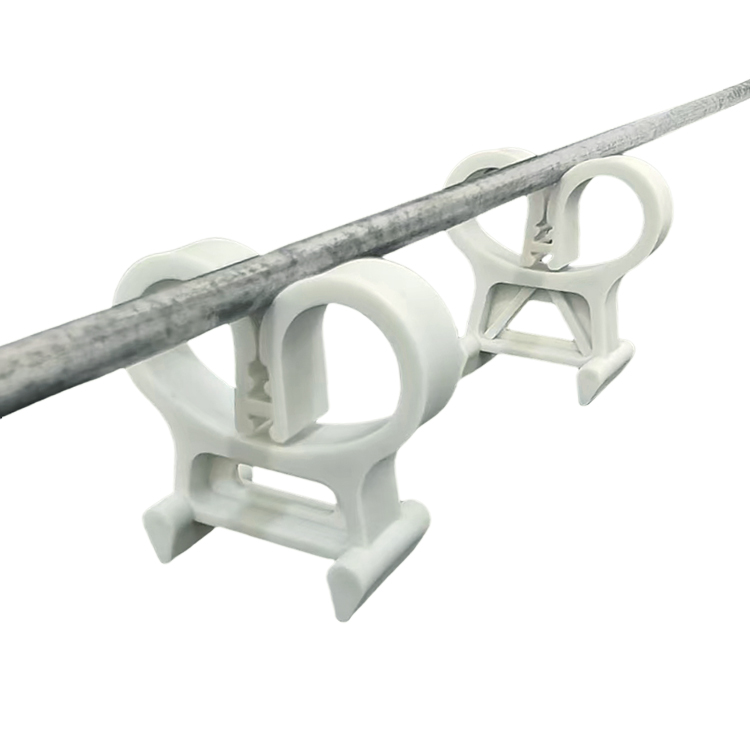
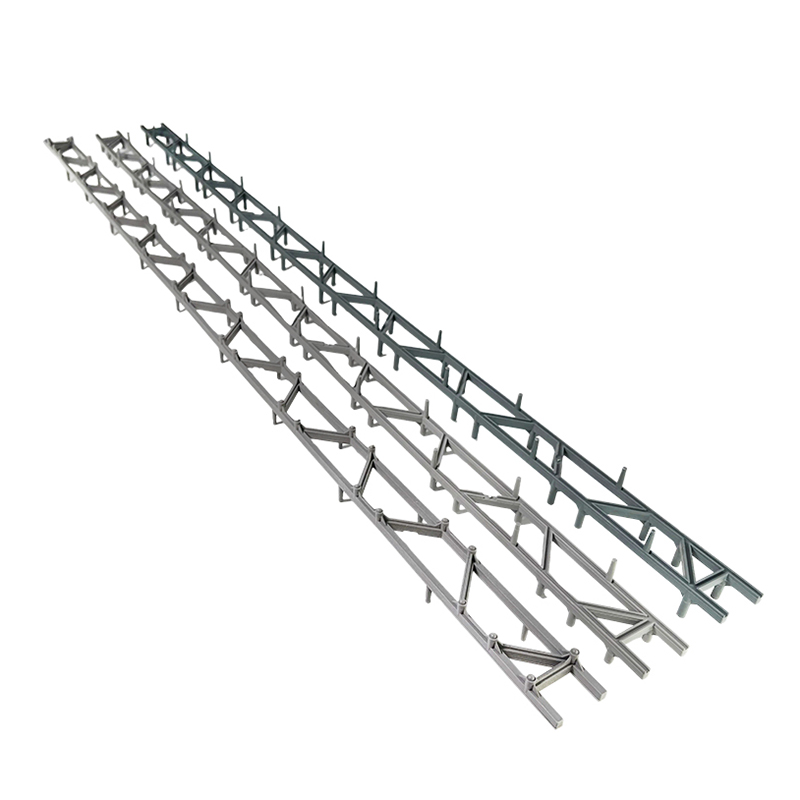
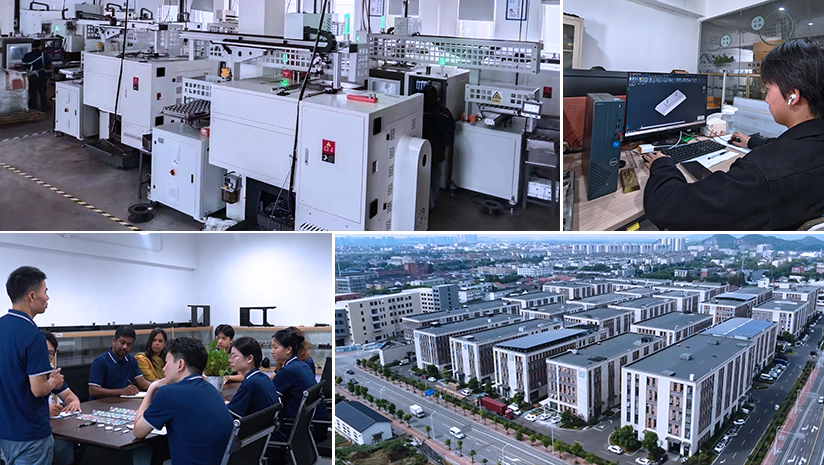
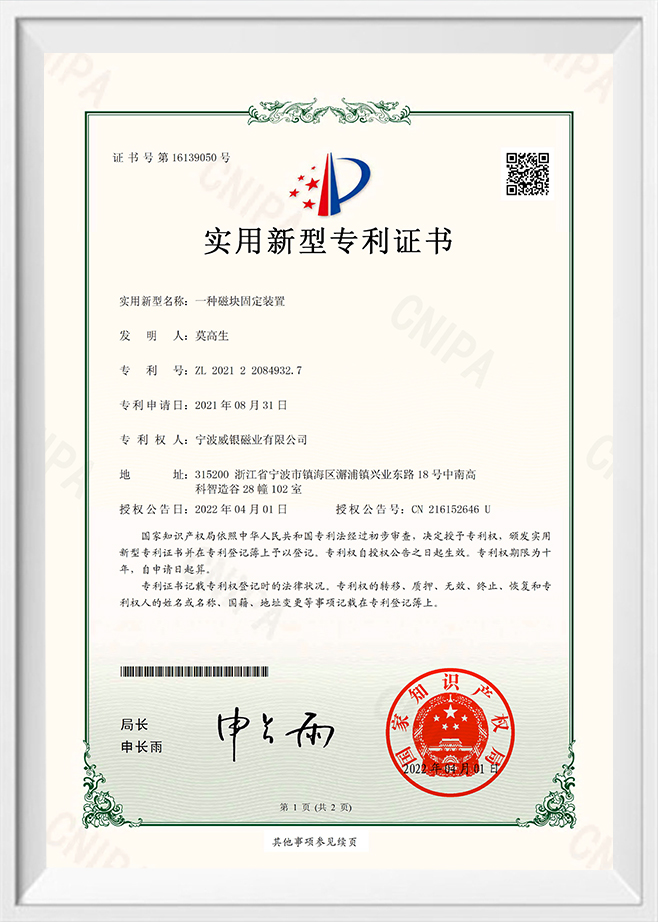
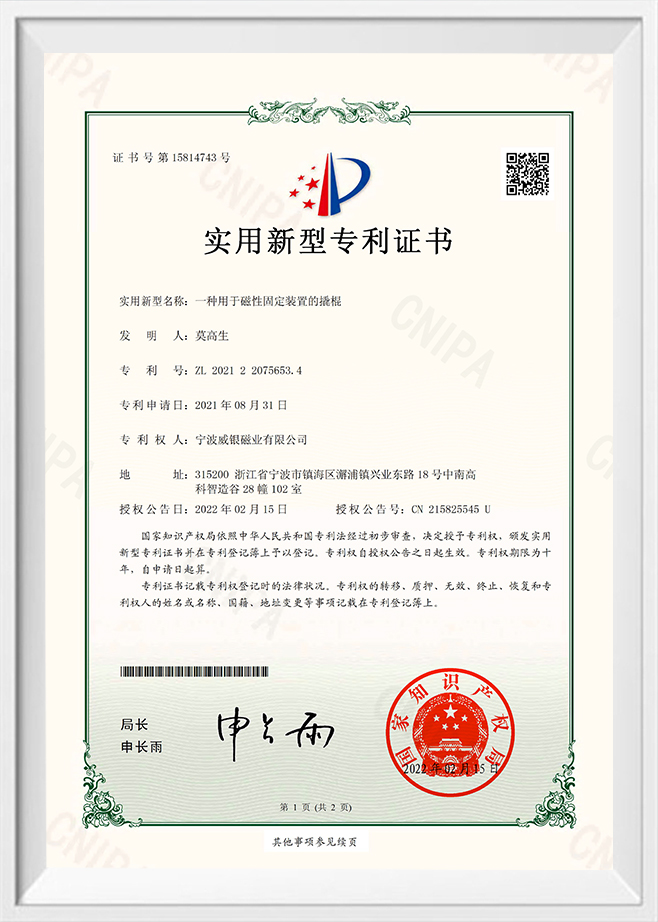
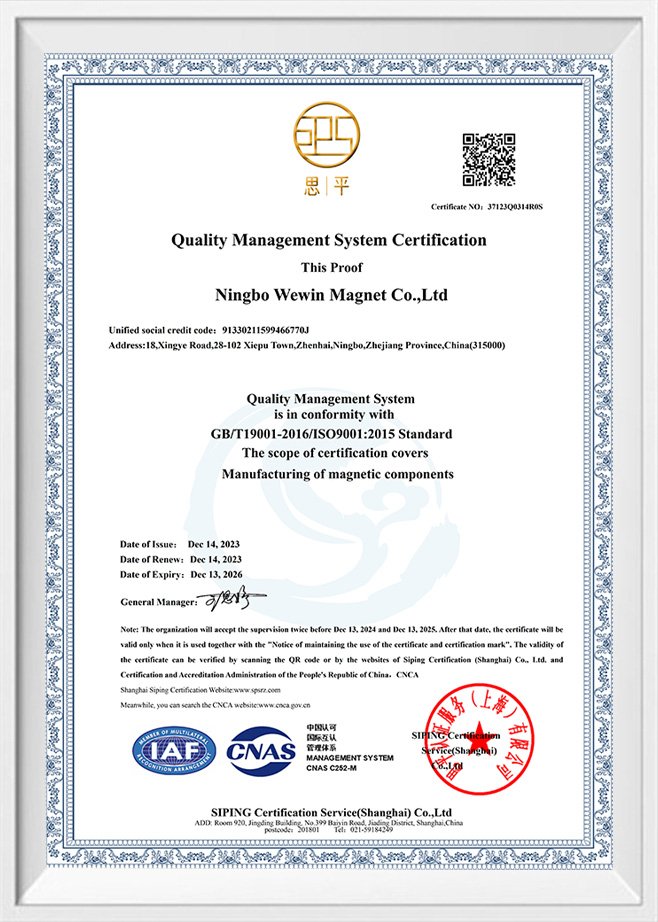
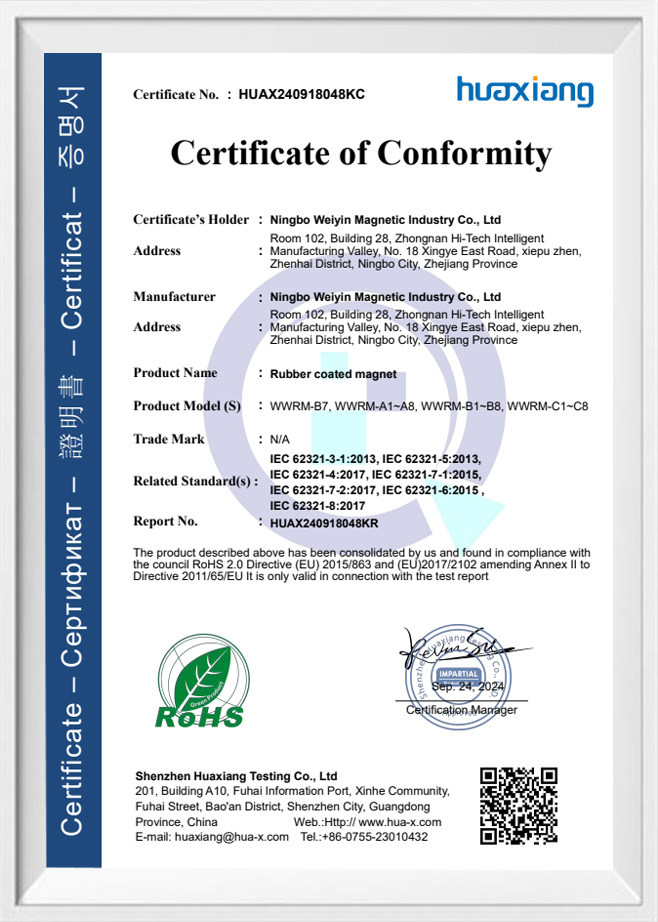
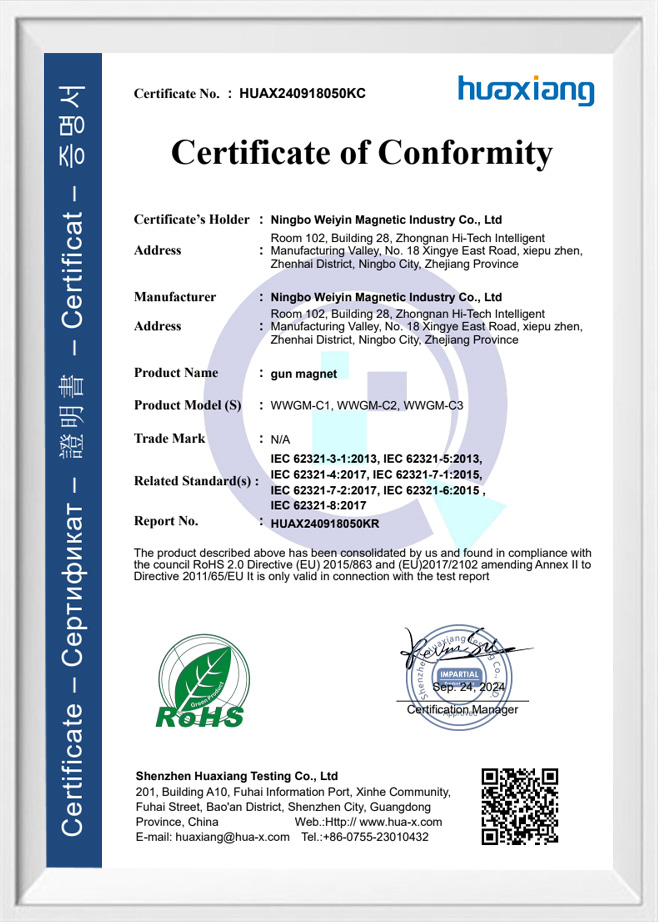
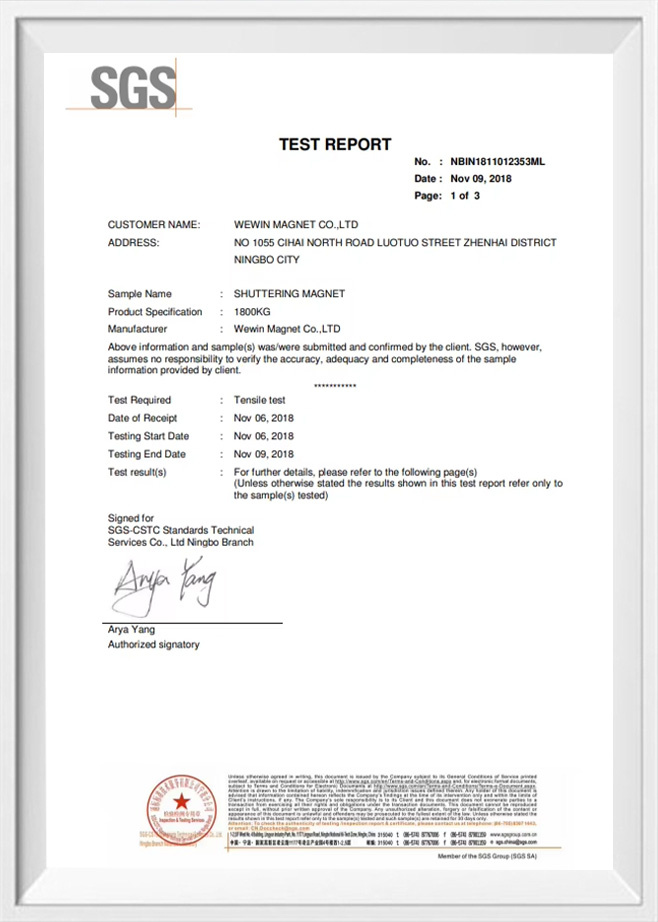
Precast concrete accessories are the unsung backbone of modern prefabricated construction. Spanning lifting inserts, coil loops, anchor channels, magnetic formwork systems, void formers, and cast-in fixings, these components determine whether a precast panel travels safely from the casting yard to the building facade — or doesn't make it at all. As prefabrication rates climb across Europe, Asia, and North America, the quality and consistency of every accessory embedded in a concrete element has never mattered more. Ningbo Wewin Magnet Co., Ltd sits squarely at the production end of this supply chain, manufacturing magnetic formwork solutions and precast accessories used by contractors across more than 30 countries.
Why Precast Concrete Accessories Define Project Outcomes
The global precast concrete market was valued at roughly USD 148 billion in 2023 and is projected to exceed USD 210 billion by 2030, driven by demand for faster build cycles and tighter labor markets. Within that figure, accessories and embedded hardware account for a disproportionately large share of failure risk. A lifting socket rated at 20 kN that fails under 14 kN load does not just damage one panel — it can halt a site, trigger insurance claims, and force a full production audit.
The accessories category is broader than many buyers initially assume:
- Lifting and handling inserts (coil sockets, spherical head anchors, flat anchors)
- Magnetic formwork systems and chamfer strips for mold positioning
- Cast-in channels, dowels, and connection plates
- Void formers and blockout systems
- Edge protection and fixing rails
- Grout tubes and tie wire accessories
Each product type carries its own tolerance requirements and load-bearing standards, which is why sourcing from a verified manufacturer rather than an intermediary matters so much in practice.
Global Precast Concrete Market Size (USD Billion)
Source: Industry estimates; 2030 figure is a projection
Factory-Direct vs. Trading Company: What the Numbers Reveal
A recurring conversation in the precast supply chain is whether to buy through a trading company or go direct to a manufacturer. The honest answer depends on volume, but for mid-to-large procurement runs the cost and quality gap is significant.
At Ningbo Wewin Magnet Co., Ltd, the factory-direct model is the default. Many trading companies that list precast concrete accessories in their catalogs are actually purchasing finished goods from Wewin and reselling them with a margin added. This is common in the Ningbo-Zhejiang manufacturing corridor. Buying direct eliminates that layer entirely, which typically means 12–22% lower unit pricing on high-volume orders and direct access to the production team for custom specification work.
| Factor | Factory Direct (Wewin) | Via Trading Company |
|---|---|---|
| Unit Price | Lower (no intermediary) | +12–22% markup typical |
| Lead Time Transparency | Direct production schedule | Subject to trader's stock |
| Custom Specifications | Possible from MOQ | Often limited to catalog items |
| Quality Traceability | Full batch records available | Depends on trader's diligence |
| After-Sales Support | Direct engineering team | Forwarded through trader |
The table above reflects real procurement dynamics in the precast accessories space. Many European and Australian precast producers discovered over time that factory-direct relationships — especially with manufacturers like Wewin — are worth establishing early, even if the initial order volume is modest.
What High-Quality Equipment Actually Changes in Accessory Production
The phrase "good quality equipment" gets overused in manufacturing marketing, but for precast concrete accessories it has specific, measurable implications. At Ningbo Wewin Magnet Co., Ltd, the production lines for magnetic chamfer strips, lifting anchors, and formwork magnets use CNC-controlled stamping and precision casting equipment that holds dimensional tolerances within ±0.05 mm — which matters enormously when an insert has to align with a planned hole in a structural connection node.
Three direct quality outcomes from equipment-level investment:
- Consistent pull-out strength: Poorly manufactured coil sockets can vary by 15–30% in actual load capacity compared to their rated value. Precision casting brings this variance below 5%.
- Surface finish for magnetic grip: Magnetic formwork accessories depend on a flat, consistent surface to achieve rated holding force. Machine-finished faces reliably outperform hand-ground components.
- Long service life: Hot-dip galvanized or powder-coated finishing applied by automated lines provides coating thickness uniformity that extends corrosion resistance — relevant in coastal or high-humidity casting environments.
Quality Attribute Comparison: High-Equipment vs. Basic Manufacturing
Magnetic Formwork Systems: The Efficiency Multiplier in Precast Production
Among precast concrete accessories, magnetic formwork components deserve special attention because they directly govern how fast a casting plant can reconfigure its beds. Traditional mechanical side forms bolted to steel tables take 30–45 minutes per linear meter to set and strip. Magnetic systems — where strong permanent magnets hold side rails, blockout formers, and chamfer strips firmly against a steel pallet — cut that time by roughly 60–70%.
Ningbo Wewin Magnet Co., Ltd specializes in precisely this product segment. The company's formwork magnets use sintered NdFeB cores encased in steel housings, delivering holding forces from 600 N up to 3,500 N per unit, selectable by application. A standard wall panel line typically uses 8–16 magnetic side-form holders per meter of form length.
Form Setup Time (min/meter): Traditional vs. Magnetic System
Beyond speed, magnetic systems reduce steel fatigue on pallet surfaces because there are no drill holes or weld points. A pallet that handles 200 casting cycles per year using bolted forms typically needs resurfacing within 4–5 years. Magnetic-based setups extend that to 8–10 years under equivalent throughput.
Selecting the Right Precast Accessories for Your Application
Not all accessories suit every panel type. The selection depends on concrete mix design, element weight, handling sequence, and final structural use. Here is a practical starting framework:
Typical Safe Working Load by Insert Type (kN)
Indicative SWL figures; always verify against manufacturer load tables for your specific concrete grade
Key Selection Criteria
- Element weight and lifting sequence: A 4-tonne wall panel with a 4-point lift needs inserts rated at minimum 2× the individual point load, accounting for dynamic factors.
- Concrete cover requirements: Many structural connections require a minimum 30–50 mm cover; low-profile accessories should be chosen accordingly.
- Corrosion environment: Coastal or marine applications call for stainless steel inserts (316-grade) or hot-dip galvanized to 85 µm minimum.
- Reusability: Magnetic chamfer strips and void formers are designed for 50–200 cycles; choosing the right material (rubber, PVC, or steel-backed magnetic) affects total cost per use dramatically.
Common Questions About Precast Concrete Accessories
What is the minimum order quantity for custom precast accessories from Ningbo Wewin?
For standard catalog items, MOQ is generally in the range of 500–1,000 pieces depending on the product type. For custom-specification accessories — such as non-standard insert thread sizes or project-specific magnetic chamfer profiles — MOQ can be negotiated from around 200 pieces when tooling costs are absorbed by the buyer. Because Wewin is a direct manufacturer rather than a trading company, there is no intermediary markup on tooling, which keeps custom production accessible for mid-sized precast plants.
How do magnetic formwork accessories compare to traditional pin-and-bolt systems in terms of total cost?
Initial outlay for magnetic systems is higher — typically 2–3× the per-meter cost of a standard bolt-fix side form kit. However, when labor savings are factored in over a 12-month casting schedule (assuming 250 production days and average 4-hour daily form-setting time), most plants recoup the investment within 14–18 months. Plants running two shifts often see payback within 8–10 months. The longer pallet service life (see Section 4) adds further to the economic case.
What certifications should precast lifting inserts carry?
In Europe, lifting inserts used in structural precast elements must comply with EN 13369 (common rules for precast concrete products) and relevant national application standards. Load-bearing anchors may additionally require CE marking or ETA (European Technical Assessment). For projects in Australia, AS 3850 governs tilt-up and precast handling systems. Always request test certificates and batch traceability documentation from your supplier — a reputable manufacturer like Wewin maintains these records as standard practice.
Can precast accessories be supplied with project-specific markings or embedded RFID tags?
Yes. This is an increasingly common request in BIM-integrated precast workflows. Color-coded coating, laser-etched batch numbers, or factory-fitted passive RFID chips embedded in the insert body can all be accommodated by a direct manufacturer. This level of customization is rarely possible through a trading company because it requires direct communication with the production team — another practical advantage of sourcing from Ningbo Wewin Magnet Co., Ltd directly.
How should magnetic formwork holders be maintained to extend service life?
The main enemies are concrete residue build-up on the magnet face and mechanical impact that chips the housing. Best practice is to clean the holding face with a plastic scraper (never steel) after each strip, apply a thin release agent film before casting, and inspect the housing for cracks every 500 cycles. Properly maintained units from Wewin's production lines have field-reported service lives exceeding 3,000 cycles in factory environments.