English
 Español
 русский
 日本語
日本語
 عربى
عربى

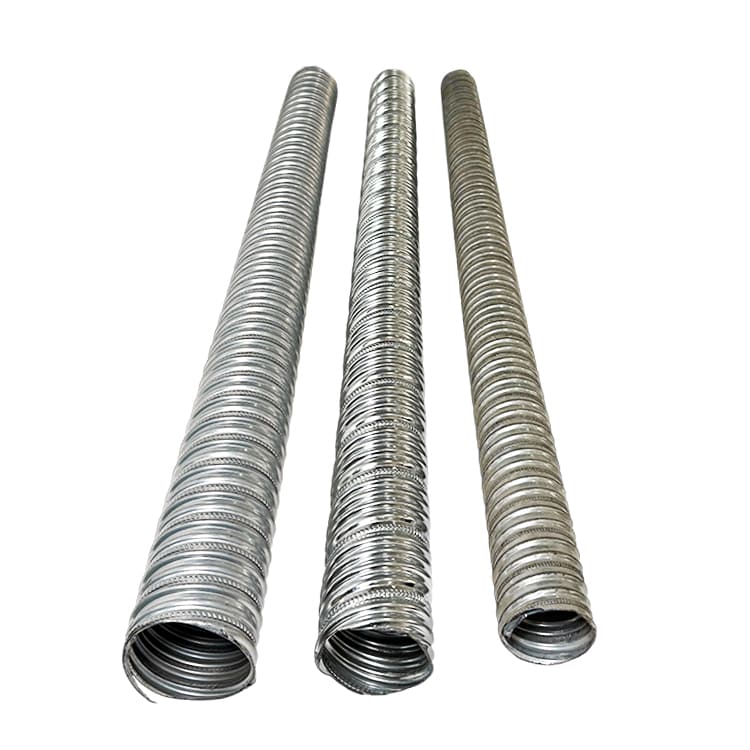
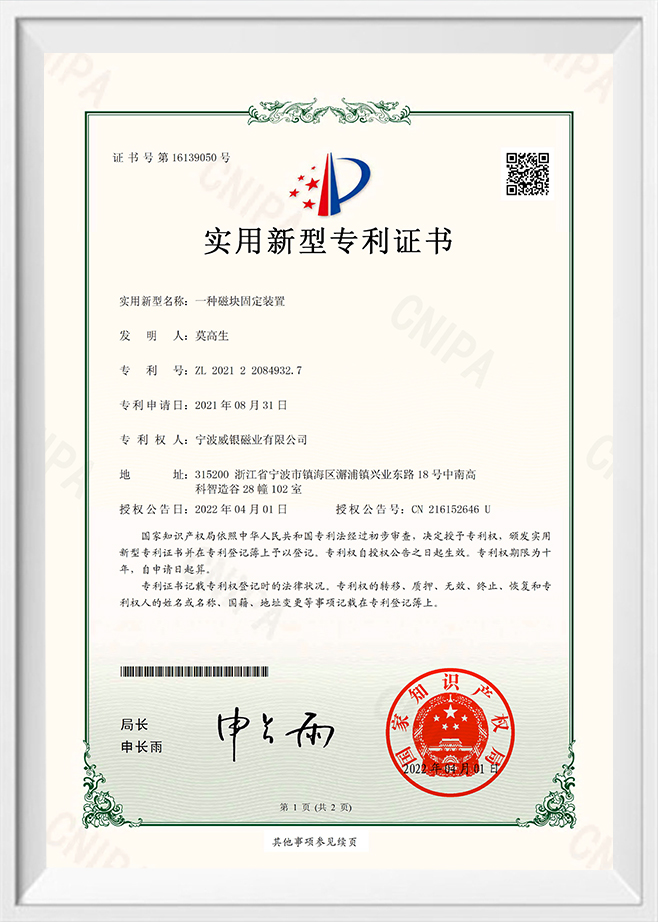
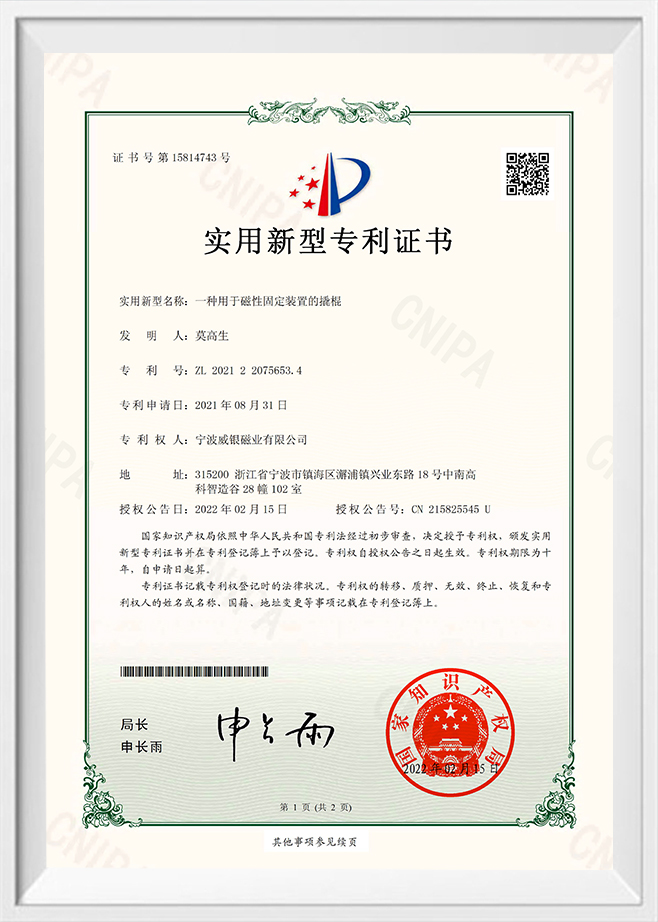
The Post Tensioning Duct System is a core structural component in modern prestressed concrete engineering, encompassing corrugated metal ducts, plastic ducts, anchor systems, couplers, and associated accessories used to house and protect prestressing tendons after concrete placement. These systems are fundamental to bridges, high-rise buildings, parking structures, and large-span slabs where controlling deflection and cracking is critical. Whether galvanized steel or HDPE-based, the duct's integrity directly governs the long-term performance of any post-tensioned structure.
How a Post Tensioning Duct System Actually Works
In post-tensioning, concrete is cast around a pre-placed duct. After the concrete reaches sufficient strength — typically 75–80% of design compressive strength — steel strands or bars are threaded through the duct and tensioned using hydraulic jacks. The tendon force is then transferred to the concrete through anchor plates at each end.
The duct performs three distinct roles during a structure's life:
- During construction: it maintains the tendon profile and prevents concrete ingress.
- During stressing: it acts as a low-friction guide so tensioning forces transfer efficiently.
- After grouting: it bonds the tendon to the surrounding concrete, creating a composite system.
The friction coefficient between tendon and duct wall — typically μ = 0.18–0.25 for metal ducts and μ = 0.12–0.17 for plastic ducts — is one of the most critical design parameters, directly affecting the effective prestress delivered along the member.
Typical Friction Coefficients by Duct Type
Friction coefficient comparison — lower values indicate better tendon efficiency
Duct Types and Where Each Belongs
Choosing the right duct type depends on exposure conditions, project scale, grouting method, and durability requirements. Here is a practical breakdown used by structural engineers and contractors across major infrastructure projects:
| Duct Type | Material | Typical Application | Wall Thickness |
|---|---|---|---|
| Round Corrugated | Galvanized Steel | Bridges, Beams | 0.28–0.40 mm |
| Flat/Oval Corrugated | Galvanized Steel | Slabs, Flat Plates | 0.28–0.35 mm |
| HDPE Round | High-Density Polyethylene | Marine, Aggressive Env. | 2.5–4.0 mm |
| Semi-Rigid HDPE | HDPE / PPR | Segmental Bridges | 3.0–5.0 mm |
One detail that often gets overlooked on site: duct splice couplers must maintain the same inside diameter as the duct body and must be watertight before grouting. Loose or misaligned couplings are among the top three causes of grout voids found during post-construction inspection.
Market Demand and Industry Growth
Global infrastructure investment has driven consistent growth in post-tensioning applications. The post-tensioning systems market was valued at approximately USD 1.8 billion in 2023 and is expected to grow at a CAGR of around 5.6% through 2030, led by Asia-Pacific bridge construction and North American parking and building rehabilitation projects.
Post-Tensioning Systems Market Size (USD Billion, Estimated)
Estimated global market growth trend (sources: industry reports, 2021–2027)
The demand surge is particularly visible in Southeast Asia and the Middle East, where large infrastructure programs favor bonded post-tensioning — which requires a reliable, durable duct system as its backbone.
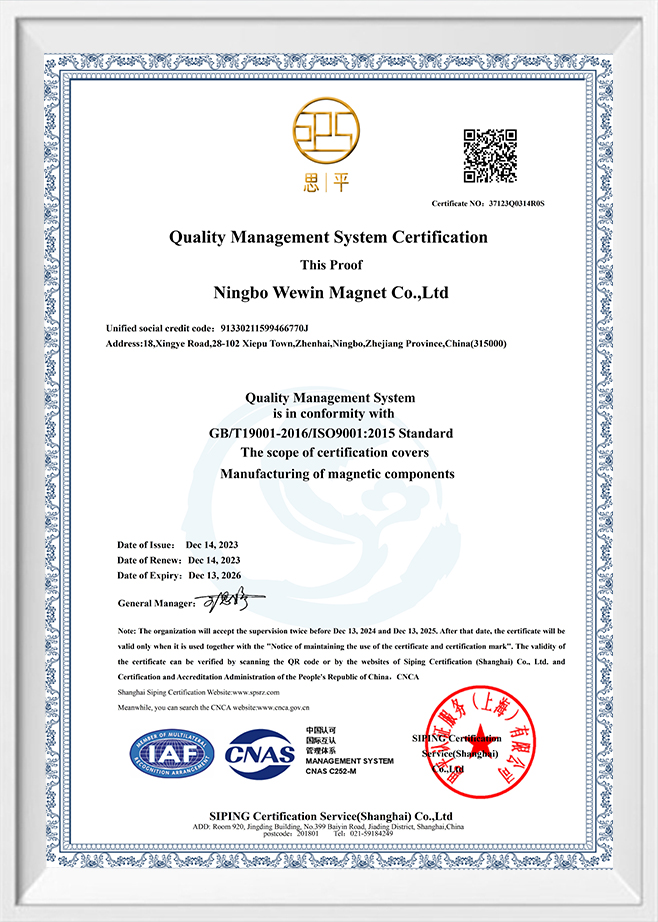
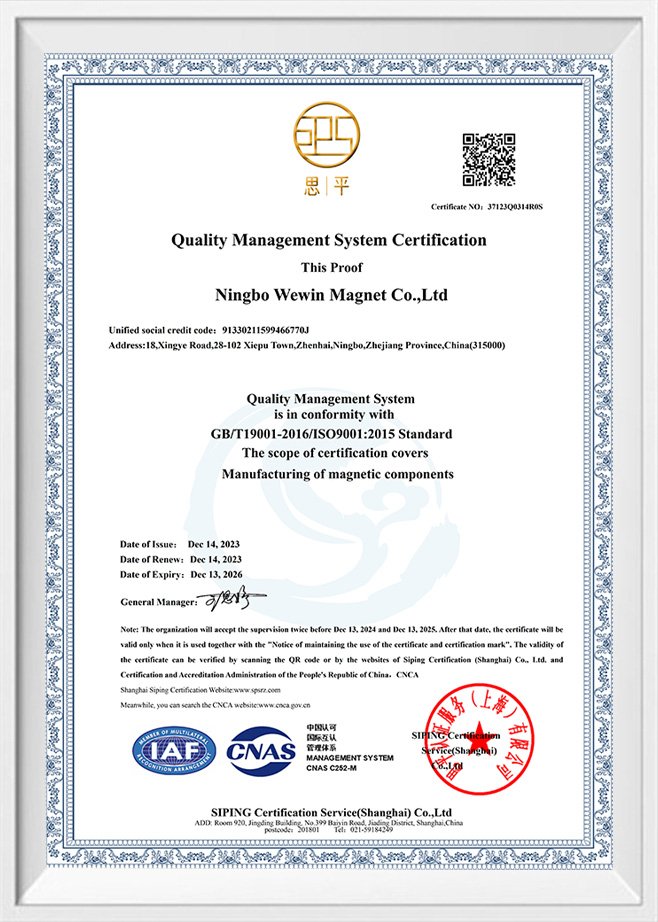
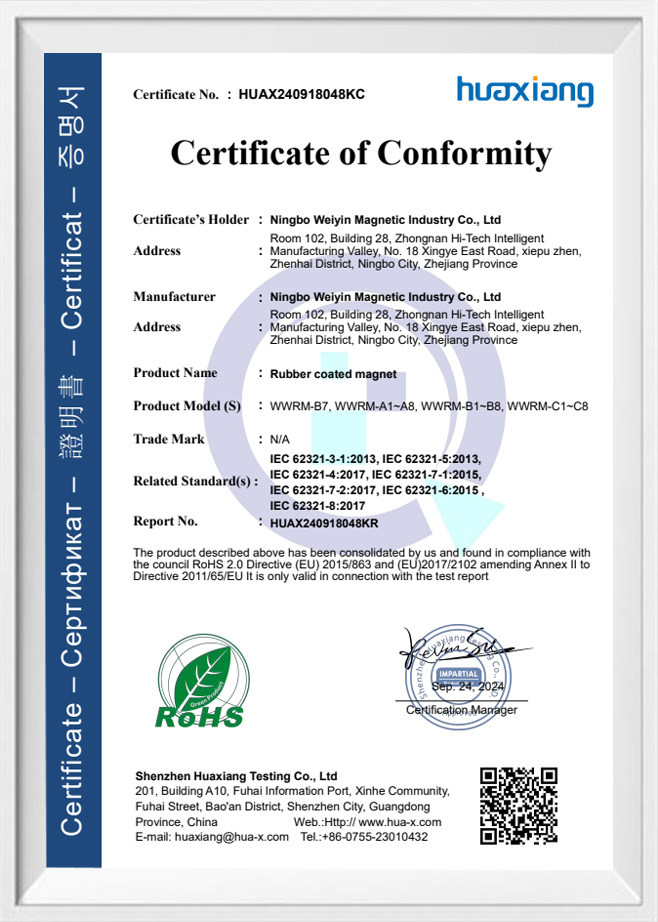
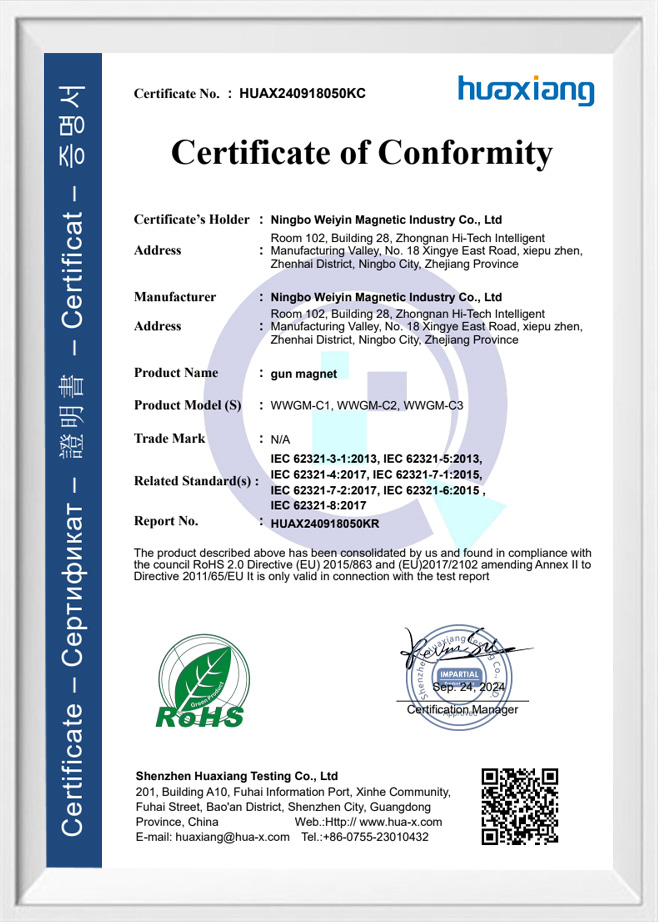
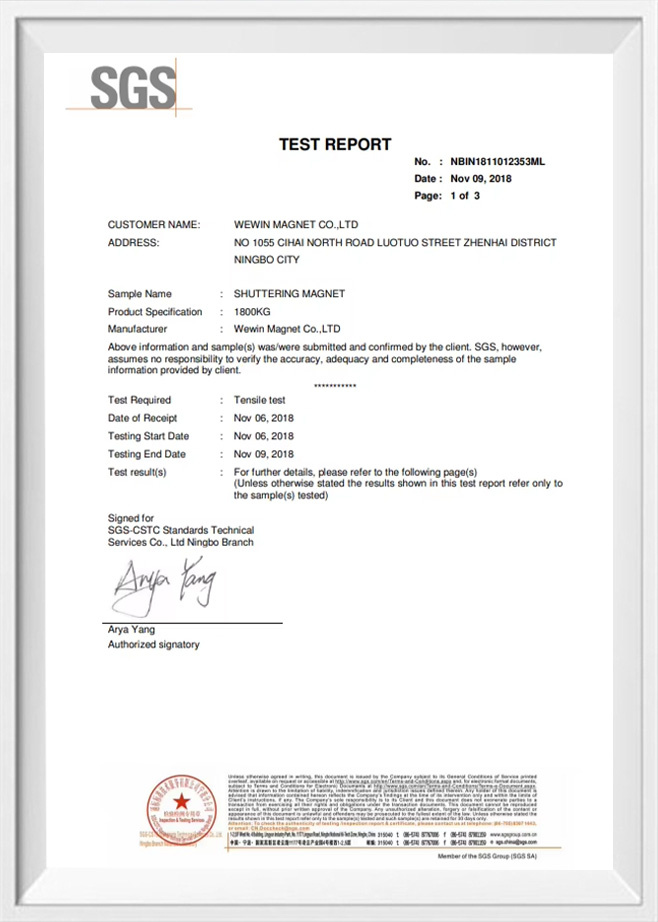
Ningbo Wewin Magnet Co., Ltd and Supply Capabilities
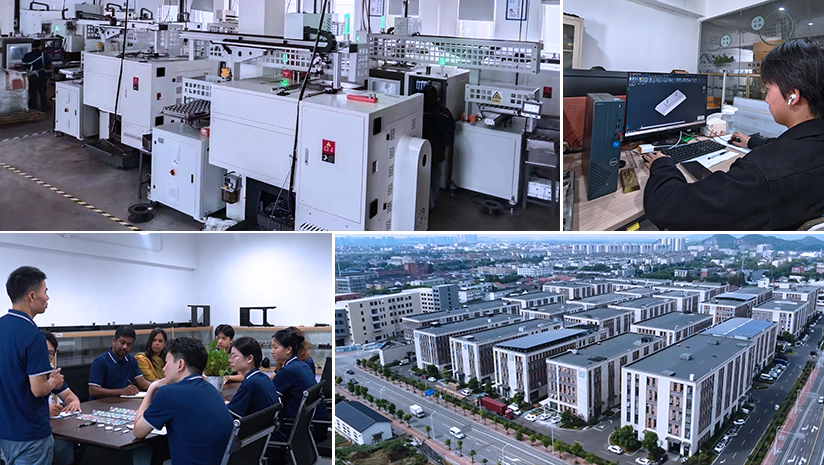
Manufacturing quality in post tensioning duct systems is not just about the finished product — it is about consistency across large batches, dimensional tolerances, and the ability to deliver on schedule when a bridge or high-rise project cannot wait.
10+
Years of manufacturing experience in precision metal forming and duct production
Large Inventory
Factory warehouse maintains substantial stock, enabling timely fulfillment of large orders without lead-time delays
R&D Driven
In-house design and development team continuously updates duct geometry, coupling methods, and material grades
What sets Ningbo Wewin apart in this sector is the combination of high-volume warehouse capacity and active product development. In post-tensioning projects, material shortages mid-construction are not a minor inconvenience — they stall structural work that involves formed concrete already in place. The warehouse model at Wewin is specifically structured to absorb large orders from contractors with compressed delivery windows.
Over more than a decade, the accumulated manufacturing data from production runs has fed back into design refinements — tighter spiral pitch tolerances on corrugated ducts, improved coupler sealing geometries, and better galvanizing uniformity. These are the kinds of incremental improvements that only come from sustained, focused production experience.
Manufacturing Capability Profile — Ningbo Wewin
Self-assessed capability profile across six manufacturing dimensions
Quality Control in Duct Production — What Actually Matters
In a post tensioning duct system, failures rarely announce themselves during installation. They show up years later as delamination, tendon corrosion, or structural cracking. This is why quality control at the manufacturing stage is non-negotiable.
Inspection Pass Rate by Parameter (Typical Production Batch)
QC inspection pass rates across key production parameters
Frequently Asked Questions
What is the difference between bonded and unbonded post-tensioning ducts?
In bonded systems, the duct is grouted after stressing, permanently bonding the tendon to the surrounding concrete — this is the standard for bridges and infrastructure. In unbonded systems, the tendon is greased and sheathed individually, with no duct filling required; this approach is common in building slabs. The duct system itself — its rigidity, diameter, and sealing — differs significantly between the two applications.
Can galvanized steel ducts be used in marine or coastal environments?
For aggressive chloride environments, HDPE or PPR ducts are strongly preferred over galvanized steel. Galvanized steel offers a zinc barrier, but in high-humidity, salt-laden environments the coating degrades faster than anticipated, creating pathways for moisture and chloride ingress that attack the prestressing strand. Many coastal highway authorities now mandate plastic ducts for all substructure elements below deck level.
How do you determine the correct duct diameter for a given tendon?
The industry rule of thumb is that the duct's internal cross-sectional area should be at least twice the net area of the tendon group it houses. For example, a 12-strand tendon (12 × 140 mm² = 1,680 mm²) typically requires a duct with an internal area of at least 3,360 mm², corresponding to approximately 65 mm internal diameter. This headroom is necessary for grout penetration and tendon movement during stressing.
What causes grout voids in post-tensioning ducts and how can they be avoided?
Grout voids most commonly result from: inadequate vent placement at high points along the duct profile, bleed water accumulation, premature grout set, or damaged/misaligned couplers. Preventive measures include using low-bleed grout mixes (bleed < 0.1% per ASTM C940), installing vents at all profile peaks, pressure-grouting to at least 0.5 MPa and holding pressure for a minimum of 60 seconds before sealing.
Does duct corrugation pitch affect structural behavior?
Yes, significantly. Tighter corrugation pitch increases the mechanical interlock between hardened grout and the duct wall, improving load transfer after bond. However, it also increases friction during stressing. Most specifications target a pitch of 15–30 mm for round corrugated ducts, balanced between friction performance and post-grouting bond efficiency.
How does Ningbo Wewin handle large or urgent orders?
Wewin maintains a dedicated factory warehouse with substantial finished goods inventory across its standard duct sizes. For contractors facing short delivery windows — a common scenario in bridge rehabilitation or fast-track building projects — this means orders can often ship within days rather than waiting on production scheduling. Urgent requirements can be discussed directly with the Wewin team to match available stock to project specifications.
Site Installation: What Gets Missed Most Often
The duct system can be perfectly manufactured and still underperform if installation is careless. From over a decade of production feedback and contractor interactions, these are the areas where problems cluster:
- Duct support spacing: supports should be spaced no more than 1.0 m for round ducts and 0.8 m for flat ducts to prevent sag that distorts the tendon profile and introduces unplanned friction losses.
- Coupler sealing: tape-wrapped couplers should be checked after concrete pour vibration — vibrators sometimes dislodge even properly installed seals.
- Duct penetration at form ties: where form ties pass near duct lines, damage is common; a minimum clear distance of 50 mm should be maintained.
- Strand pushing vs. pulling: for long tendons (> 40 m), pulling is preferred over pushing to prevent strand bird-caging inside the duct.
These are operational details that factory specifications cannot control — but they are where the gap between designed and delivered prestress often originates.