English
 Español
 русский
 日本語
日本語
 عربى
عربى

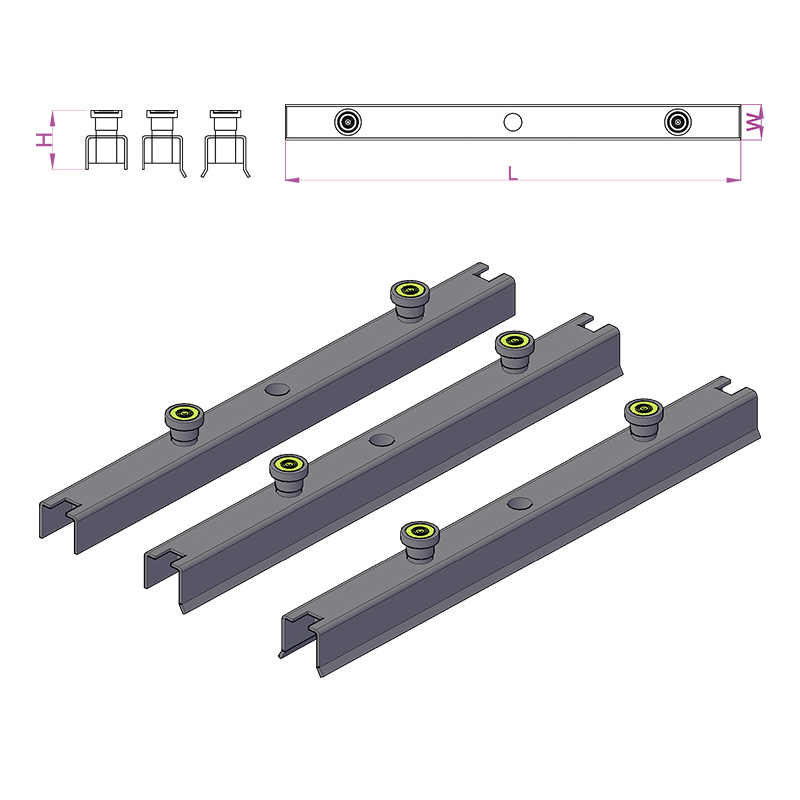
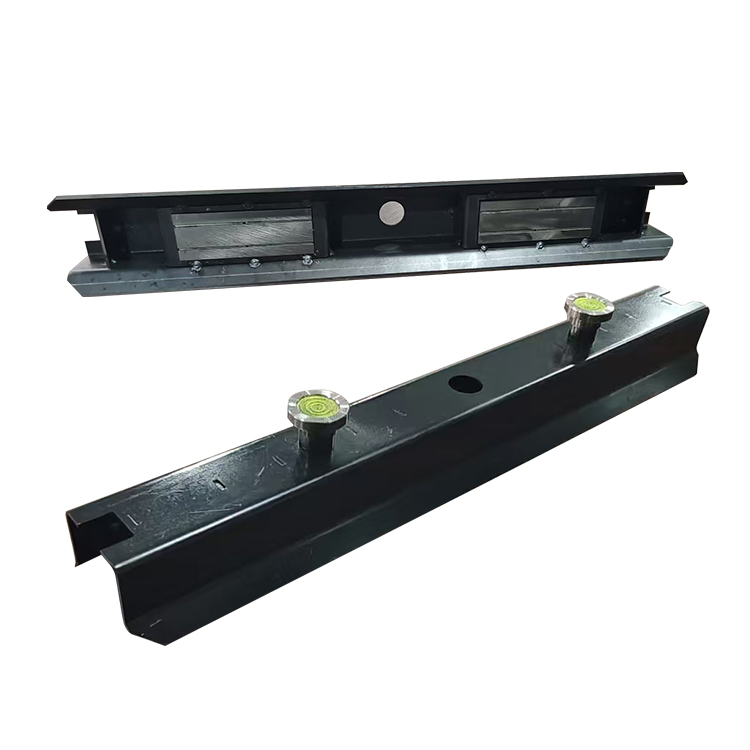
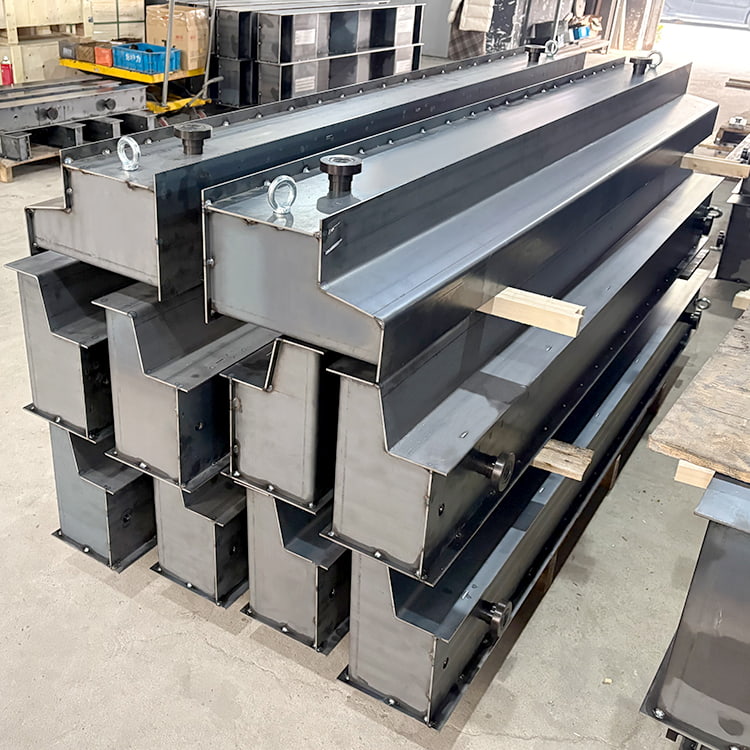
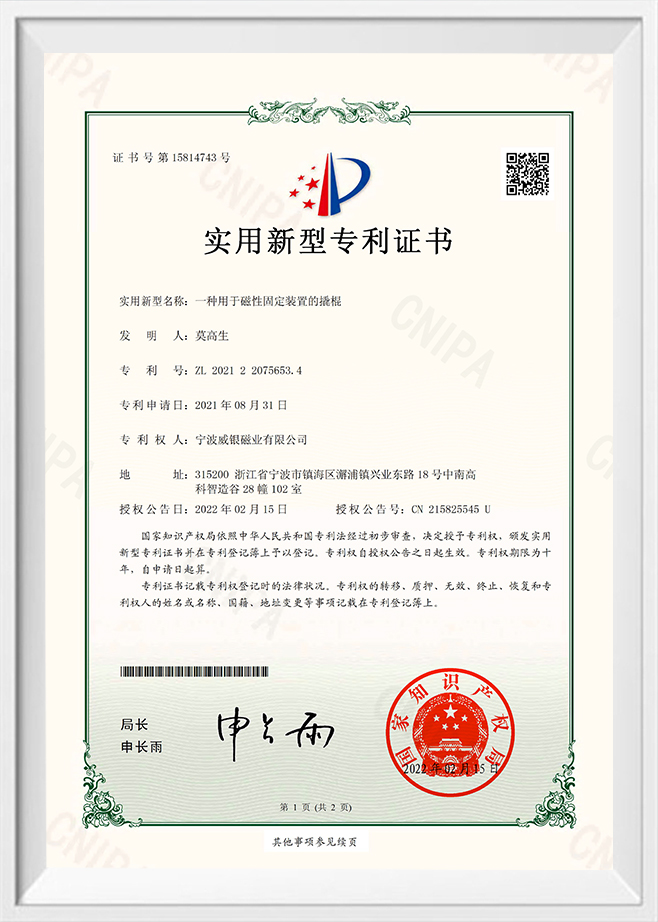
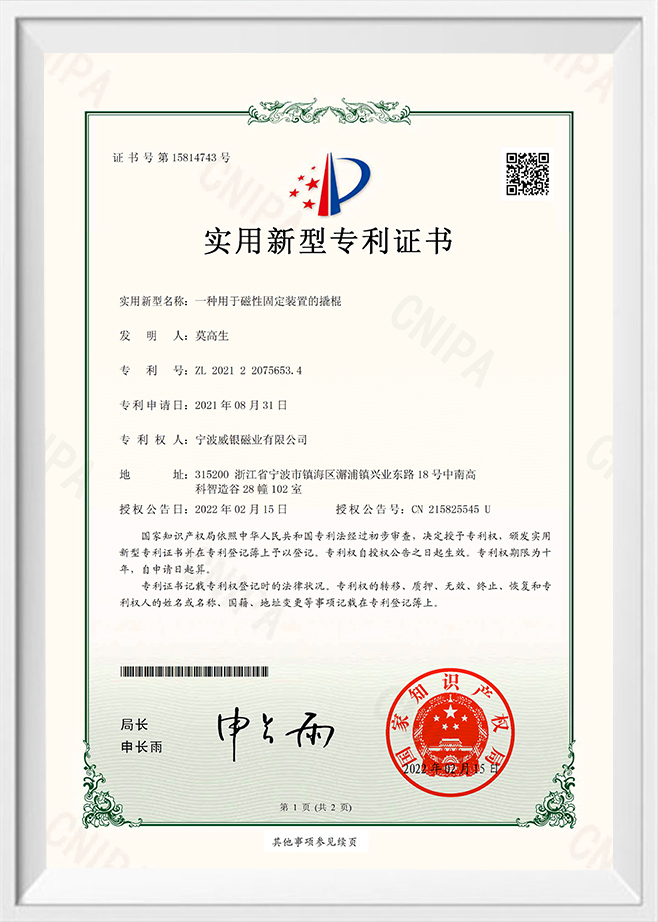
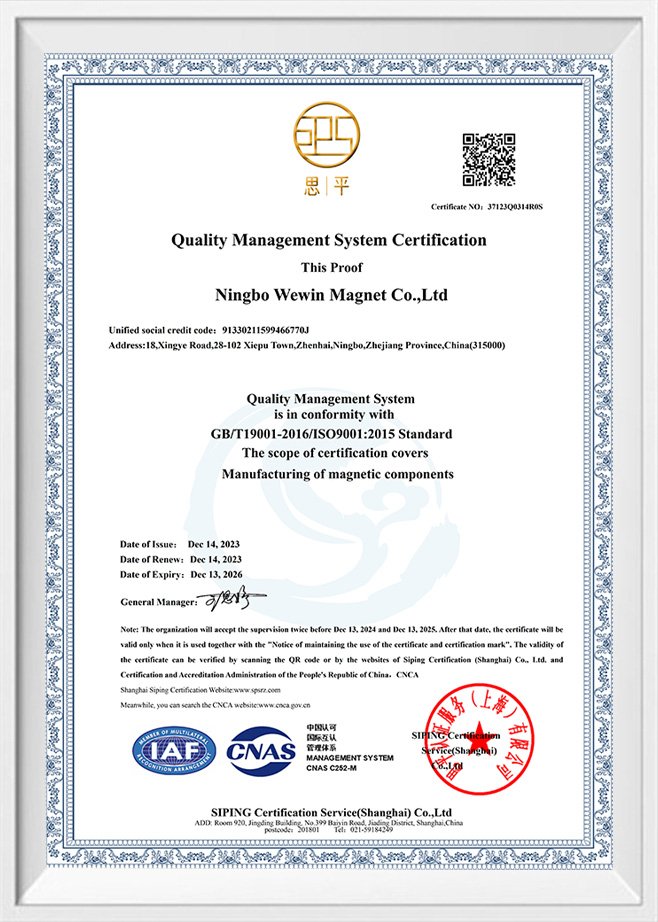
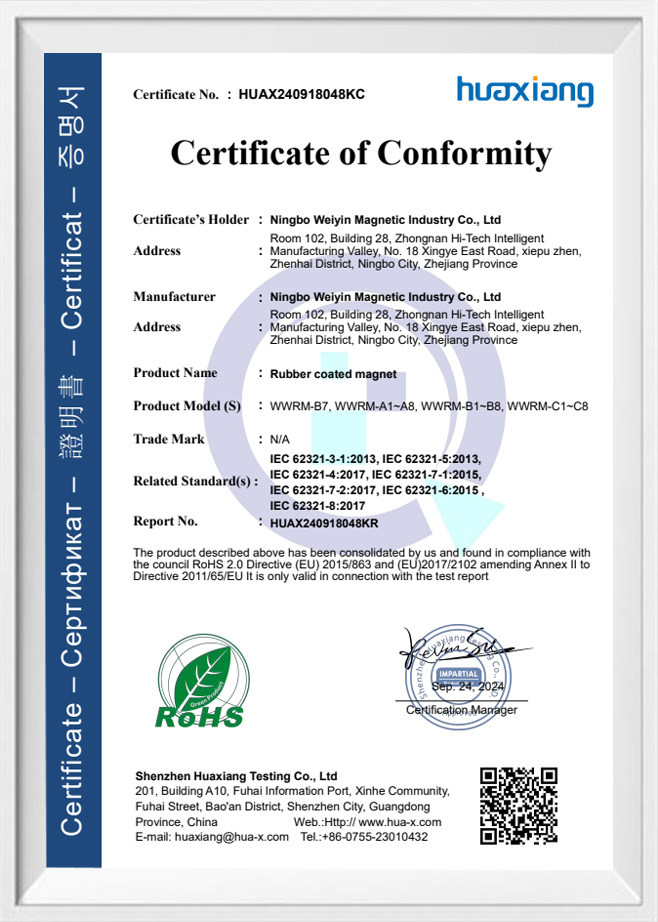
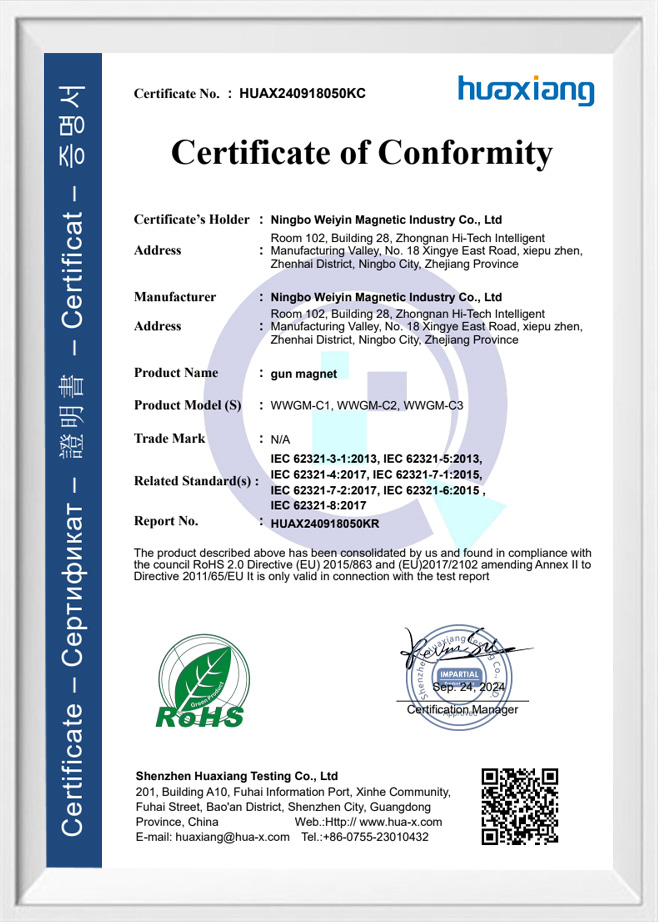
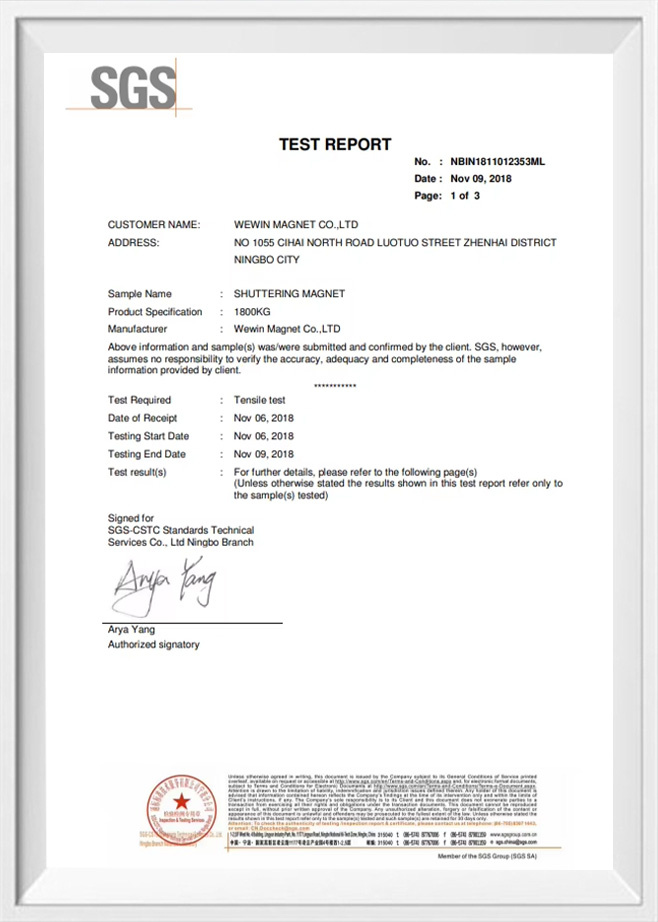
The Magnetic Formwork System has fundamentally changed how precast concrete elements are produced in modern manufacturing facilities. Rather than relying on fixed steel bolts or cumbersome mechanical clamps to position formwork on casting tables, these systems use precisely engineered permanent magnet units to hold side shutters, corner pieces, and inserts firmly in place — no drilling, no welding, no damage to the casting bed. For precast producers dealing with high product variety and tight cycle times, that flexibility is a real operational advantage. The system covers a wide range of applications: wall panels, slabs, columns, beams, staircases, and virtually any custom precast geometry where dimensional accuracy and fast setup are priorities.
How a Magnetic Formwork System Actually Works
At the core of every magnetic formwork unit is a high-performance permanent magnet assembly — typically using NdFeB (neodymium-iron-boron) magnet blocks housed inside a steel casing with a mechanical release lever or screw. When the unit is placed on a steel casting table, the magnet latches onto the bed surface with a holding force that commonly ranges from 800 kg to over 2,000 kg per unit, depending on the model. That's enough to withstand the lateral pressure of fresh concrete without any supplementary fastening.
To release the magnet, the operator simply turns the lever or screw, which rotates an internal pole-switching mechanism and neutralizes the external magnetic field. The formwork side shutter can then be lifted away cleanly. The whole operation takes seconds. No impact tools, no residue, no surface damage.
Typical Holding Force by Magnetic Formwork Unit Class
Approximate rated holding force for four common unit classes used in precast production
The design also matters for concrete quality. Because there are no penetrations in the casting bed and the formwork sits flush, there are fewer leak points — which translates to cleaner edges on the finished element and less post-processing work.
Key Components of a Complete System
A magnetic formwork system is not just the magnet box. It's an ecosystem of interlocking parts that need to work together reliably shift after shift. Understanding what goes into a complete setup helps buyers avoid underspecifying — and the expensive surprises that follow.
| Component | Function | Key Spec to Check |
|---|---|---|
| Magnet Box Unit | Anchors side shutter to casting bed | Rated holding force (kg) |
| Side Shutters / Profiles | Define element edge geometry | Height range, material, tolerance |
| Corner Pieces | Join shutters at 90° or custom angles | Angle precision, locking method |
| Insert Holders / Adapters | Fix sleeves, anchor boxes, conduits | Insert compatibility, pull-out resistance |
| Release Tool | Safely disengages magnet from bed | Ergonomics, tool torque requirement |
One area that's often overlooked is the adapter and assembly parts layer — the connecting elements that let a single magnet unit work with different shutter profiles or handle non-standard insert configurations. Getting this right from the start prevents field modifications that compromise accuracy.
What the Numbers Look Like in Real Production
Switching from traditional bolt-fixed formwork to a magnetic system has measurable effects on production output. The gains vary by plant layout and product mix, but the industry data that's accumulated over the past decade points consistently in one direction.
Formwork Setup Time Reduction: Industry Trend (Minutes per Element)
Reported average setup time per standard wall panel element, industry survey data
The trend is clear: plants using magnetic formwork are progressively optimizing their workflows. A typical flat-bed precast factory sees setup time per element drop from around 55–60 minutes with bolt-fixed formwork to 12–18 minutes with a magnetic system — a reduction exceeding 70% in some facilities. That directly translates to more pours per shift and faster throughput without adding labor.
Annual Elements Produced per Casting Bed (Traditional vs Magnetic)
Estimated annual output per casting bed across three production years
Working with a Manufacturer Who Knows the Product
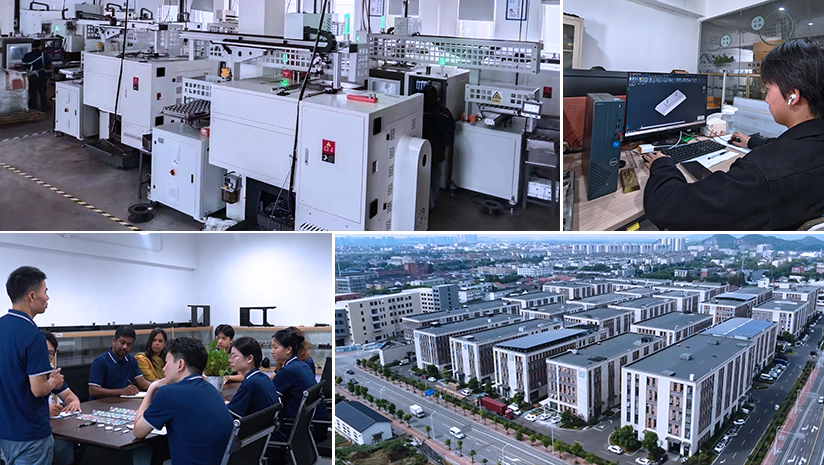
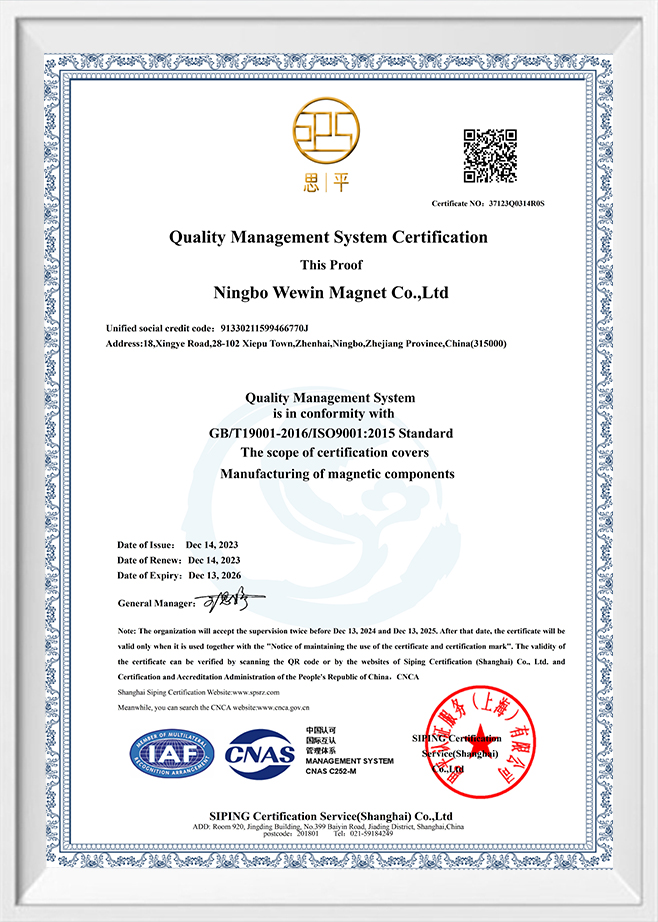
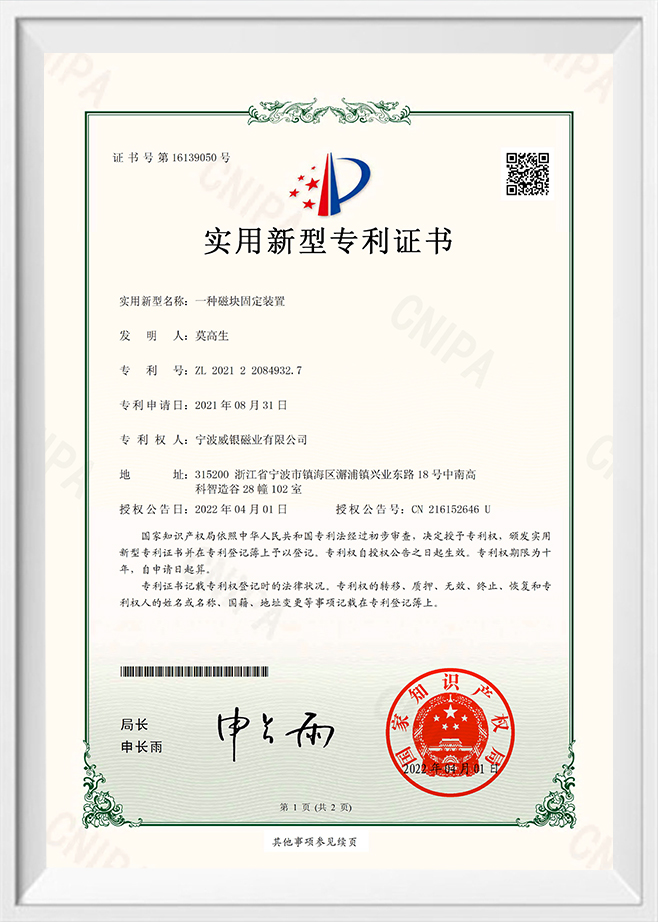
There's a meaningful difference between buying magnetic formwork components off a catalog and working with a manufacturer who has actually engineered the magnets inside. Ningbo Wewin Magnet Co., Ltd sits in that second category. Based in Ningbo, China — one of the world's most concentrated hubs for precision magnet manufacturing — Wewin produces the core permanent magnet assemblies that make these systems work, and has extended that expertise into complete magnetic formwork solution components.
What that means practically: when you have a non-standard application — an unusual shutter height, a custom insert adapter, a magnet unit that needs to fit a non-standard casting bed thickness — Wewin's in-house design team can engage with the engineering problem directly rather than routing the question through a distributor who's just passing it upstream anyway. The result is faster turnaround on custom specs and a shorter path from requirement to working prototype.
Wewin's position as a China-based manufacturer also matters for cost structure. NdFeB magnet material is produced predominantly in China, and manufacturing close to that supply chain means better material control and more stable pricing — particularly relevant given how much the magnet material market can move. The products that leave Wewin's facility are built for long service life in demanding industrial environments: daily concrete contact, release cycling, outdoor storage, and the mechanical stresses of transport and reuse.
Supplier Capability Comparison: Specialized Magnet Manufacturer vs Generic Formwork Supplier
Illustrative capability profile across five key supplier dimensions
Whether you need standard catalog units or a custom-engineered configuration, the process starts with a conversation with the design team. Wewin maintains a current product list covering the most common magnetic formwork applications — magnet boxes, adapter and assembly components, insert holders — and can also scope custom work for buyers with specific requirements. The manufacturing happens in-house in China, which keeps quality control in one place and the supply chain short.
Selecting the Right Magnetic Formwork Configuration
Not all magnetic formwork systems are sized or configured identically. The right specification depends on several variables that need to be assessed before ordering. Getting this wrong — usually by underspecifying holding force — shows up as formwork movement during pouring, which ruins elements and creates safety issues.
- Concrete pour height and pressure: Higher side shutters experience greater hydrostatic pressure from fresh concrete. A 200 mm shutter and a 600 mm shutter in the same pour have very different lateral loads on the magnet units.
- Casting bed steel thickness and surface condition: Magnet holding force is rated against clean, flat steel of a specific minimum thickness (typically 15–20 mm). Beds that are thinner, worn, or have surface coatings will yield lower effective holding force.
- Vibration method: Plants using table vibrators apply dynamic forces that can exceed static concrete pressure. Units must be specified for vibration-rated holding capacity.
- Element geometry complexity: Standard rectangular elements are straightforward. Irregular shapes, openings, and angled features require corner pieces and custom adapter components.
- Cycle frequency: High-volume plants cycling multiple pours per day need magnet units rated for high release cycle endurance — the internal mechanism has a finite service life that varies significantly between product grades.
Frequently Asked Questions
Can magnetic formwork be used on non-steel casting beds?
No — the system requires a ferromagnetic (steel) casting bed surface for the magnets to function. Aluminum or concrete beds are not compatible. If you're retrofitting an existing facility, the bed specification is the first thing to verify. Most modern precast plants using automated carousel or flat-bed systems already work with steel tables.
How long do magnetic formwork units typically last?
Service life depends heavily on operating conditions and maintenance. In well-run precast plants, quality units typically achieve 50,000 to 100,000 release cycles before the internal mechanism requires service. The permanent magnets themselves don't degrade in normal use — it's the mechanical release components that eventually wear. Regular cleaning and lubrication of the release mechanism significantly extends service life.
What's the actual time saving over traditional bolt-fixed formwork?
Setup time comparison depends on element complexity, but a commonly cited benchmark is a reduction from 45–60 minutes per element to 10–18 minutes for equivalent configurations. Stripping time sees similar improvements. Over a full production year, this adds up to significant additional capacity from the same workforce and equipment.
Does Ningbo Wewin Magnet Co., Ltd supply custom sizes?
Yes. Wewin has an in-house design team that can work from your application requirements to develop custom magnet units, adapter parts, or assembly configurations that aren't in the standard product list. For buyers with unusual bed thicknesses, non-standard shutter heights, or specific insert requirements, that custom capability is often the deciding factor. Lead times for custom components are typically discussed during the initial specification process.
Is there a risk of concrete contamination from the magnets?
Properly designed magnetic formwork units are fully encased in steel housings with no exposed magnet material. The concrete contacts only the steel shutter and casing surfaces. There is no contamination risk under normal operating conditions. The magnet material (NdFeB) is sealed inside the unit and does not come into contact with the pour.
How does sourcing from China affect product quality and delivery?
China is the dominant global source of NdFeB magnet material and a major center for precision magnet manufacturing. Sourcing from a Chinese manufacturer like Wewin means proximity to raw materials and established production infrastructure. Product quality is a function of the manufacturer's quality control processes, not geography. Wewin's in-house production model means quality oversight stays within one organization from raw magnet through to finished assembly.