
 English
 Español
 русский
 日本語
日本語
 عربى
عربى

Direct Answer: What You Need To Know About Prefab Concrete Buildings Prefab concrete buildings are structures assembled from concrete components cast and cured...
READ MORE
Wholesale Adapters & Assembly Parts System
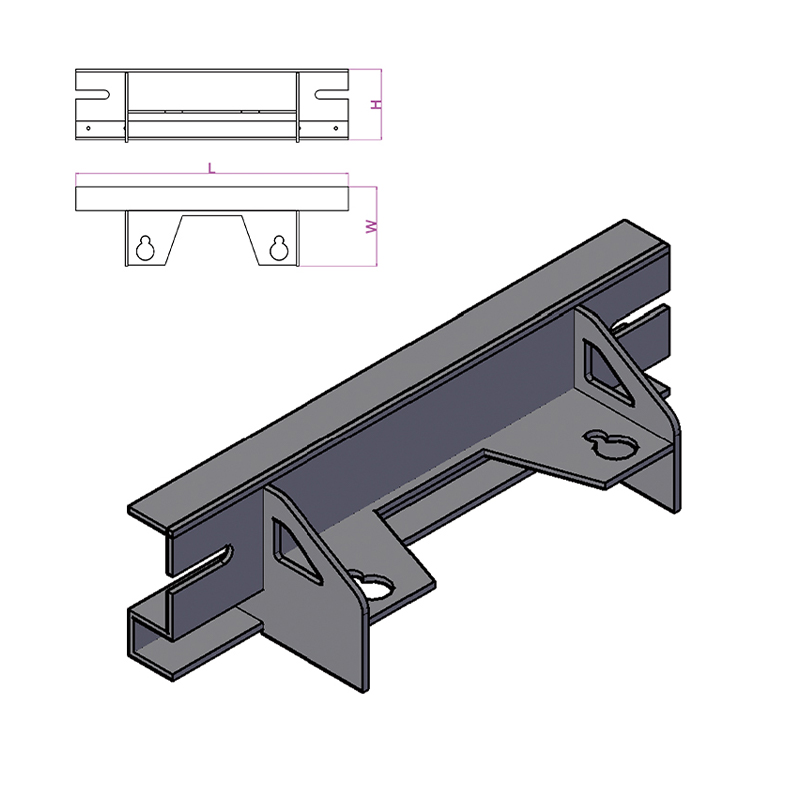
In the construction and precast concrete industries, adapters are engineered to increase productivit...
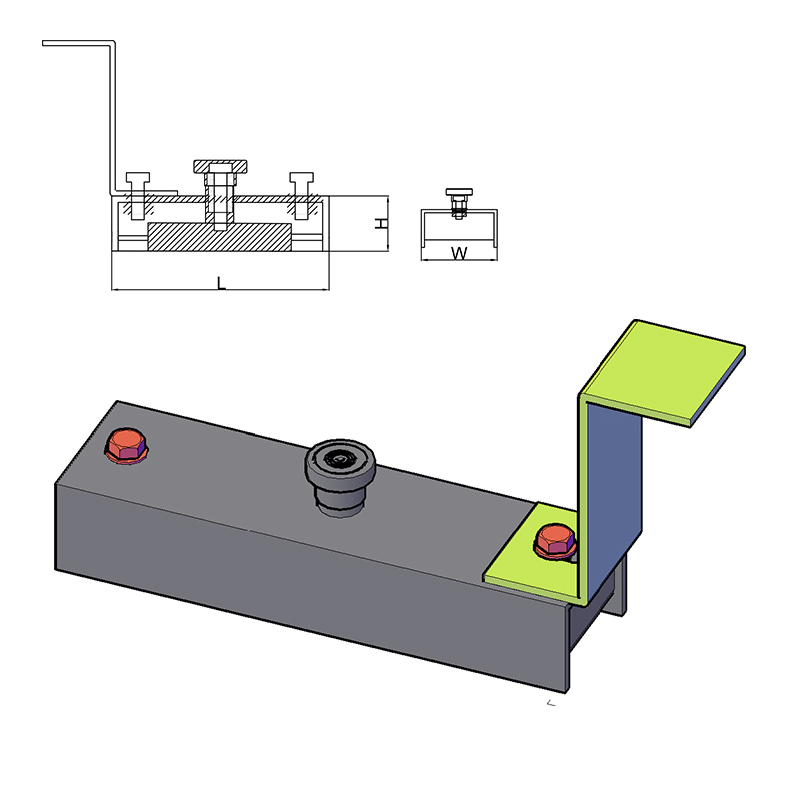
Shuttering Magnet with Adapters is an innovative precast concrete formwork solution that optimizes o...

The right adapter system plays a vital role in precast concrete construction. A well-chosen adapter ...
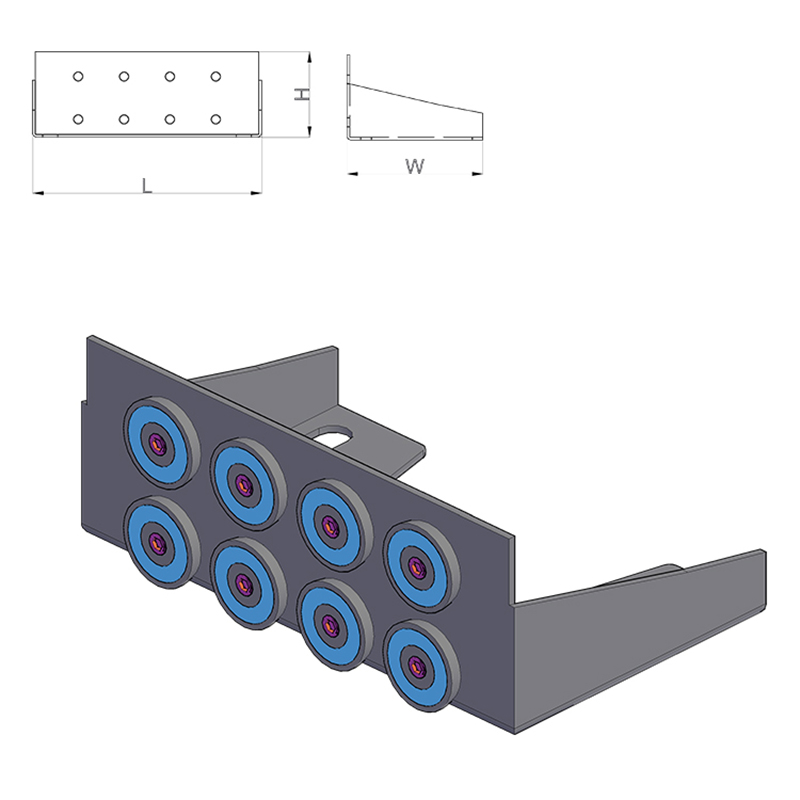
In precast factory set up, Adapter is used with Shuttering Magnets to enhance the project, which is ...
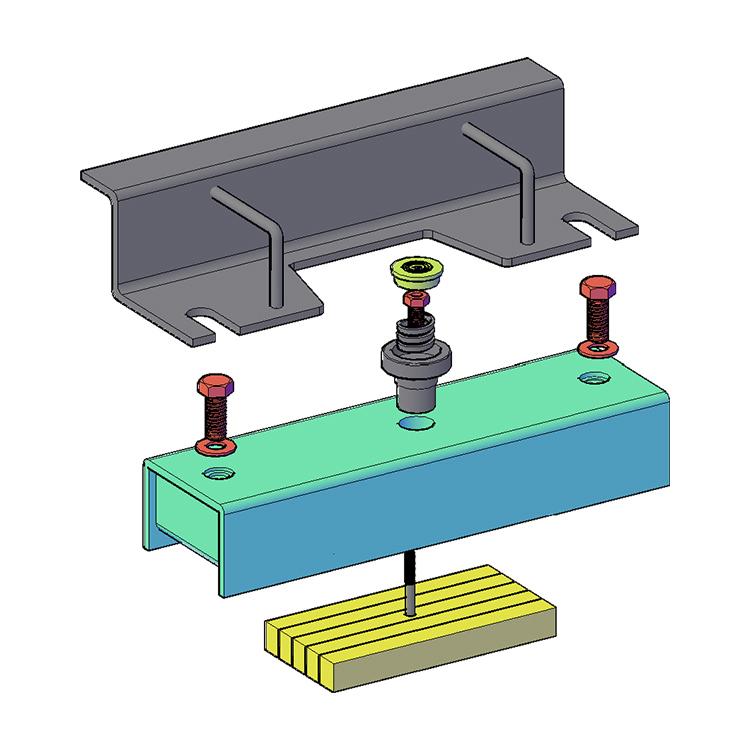
The CSMB (Carbon Steel Magnetic Box) with Adapters set the new standard in shuttering magnet world. ...
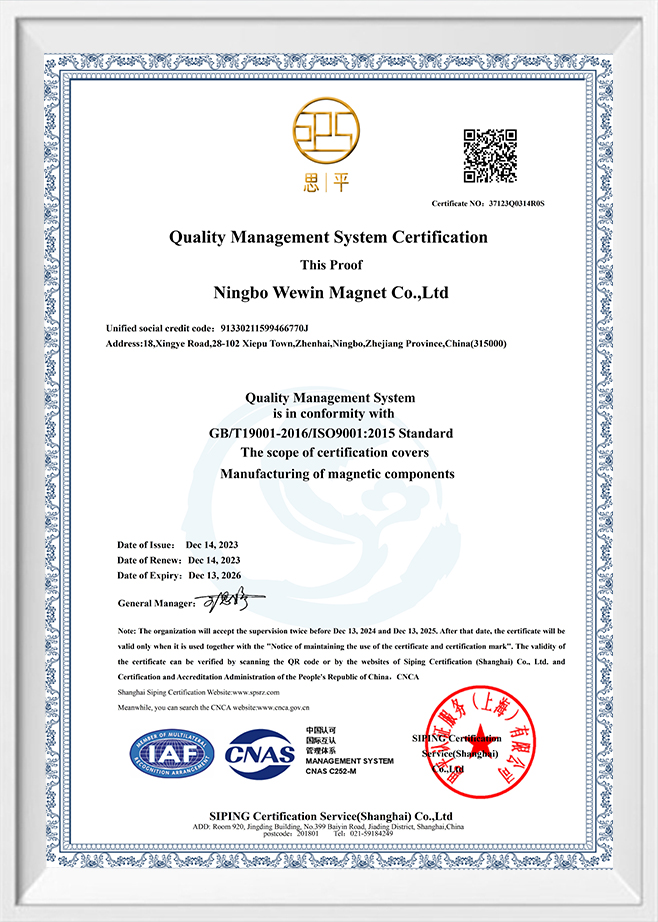
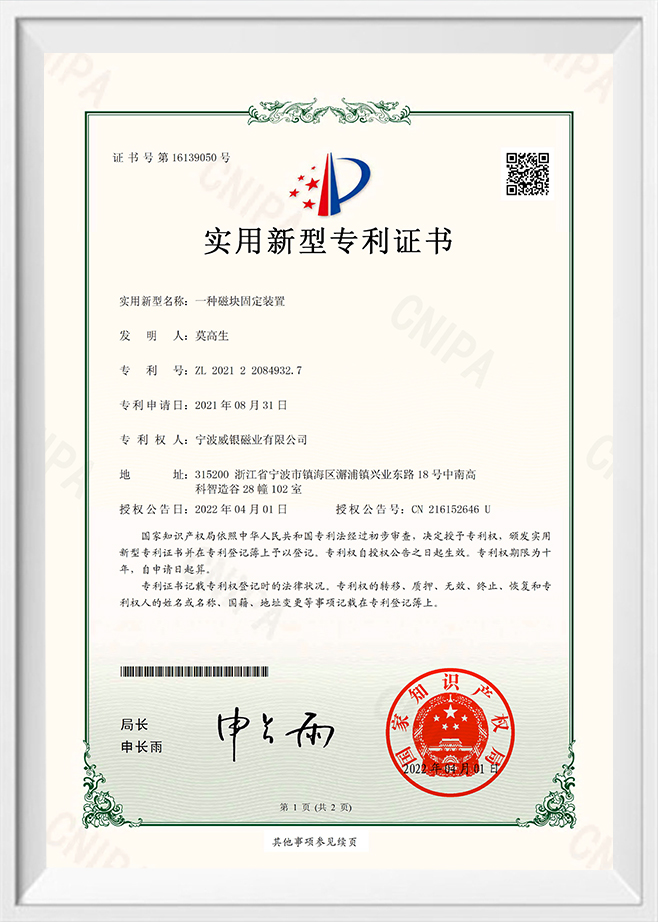
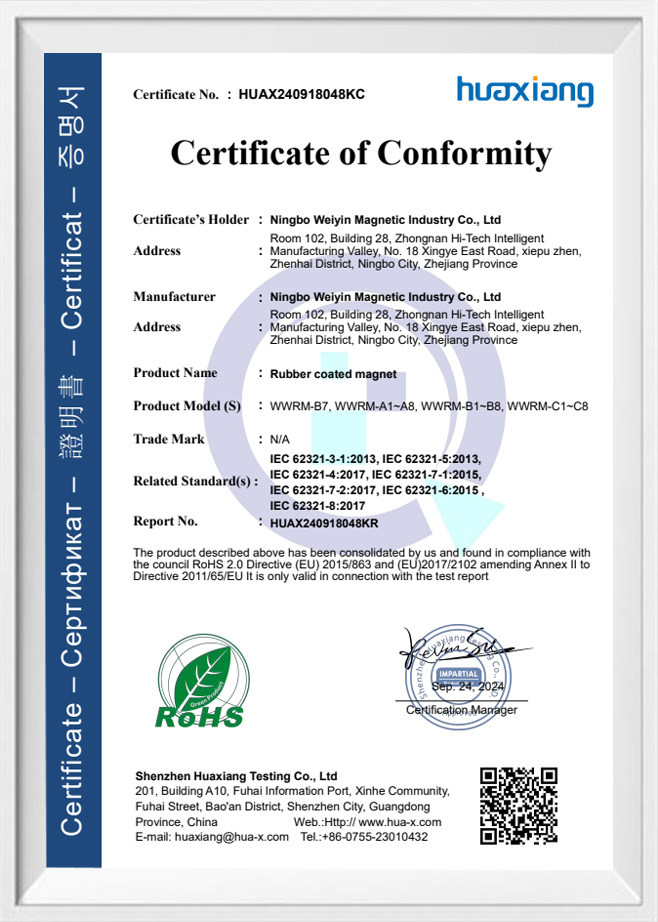
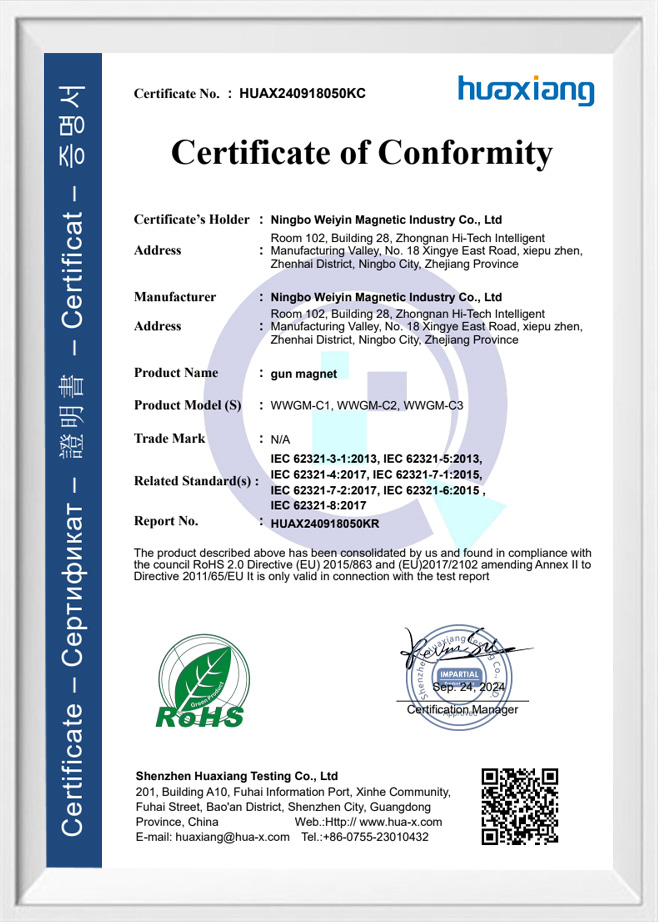
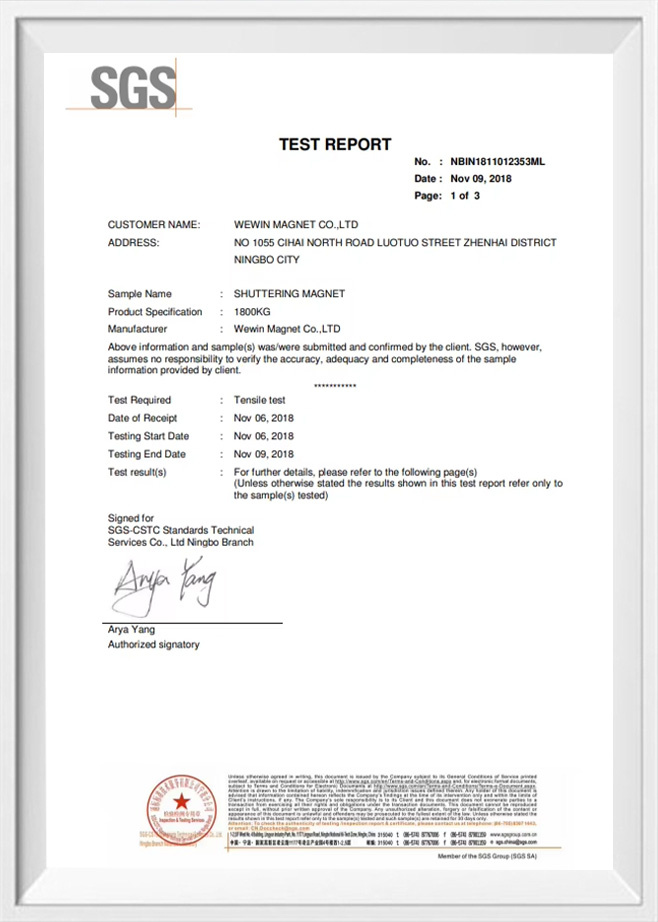
Direct Answer: What You Need To Know About Prefab Concrete Buildings Prefab concrete buildings are structures assembled from concrete components cast and cured...
READ MOREWhat Causes Concrete Bubbles in Precast Production Concrete bubbles, known throughout the precast industry as bugholes, are small surface voids left behind aft...
READ MOREThe Direct Answer: How Setting Precast Concrete Steps Actually Works Setting precast concrete steps is a five-part sequence: preparing a compacted and leveled ...
READ MOREConcrete Chamfer Strips: The Direct Answer Before the Details Concrete chamfer strips are narrow triangular or curved profiles placed inside formwork corners t...
READ MOREWhat Is Precast Concrete Precast concrete is concrete that is cast into a mold and cured in a controlled plant environment before being transported to a job si...
READ MOREIn modern precast concrete production, the Adapters & Assembly Parts System has become an indispensable backbone for formwork positioning precision and operational efficiency. This system encompasses a broad range of connecting components — from adapter plates and mounting brackets to fastening clips — that work in concert with Shuttering Magnet With Adapter units to anchor formwork profiles firmly onto steel casting beds. Unlike generic magnetic systems, the adapter-based approach allows a single magnet body to interface with multiple profile geometries, dramatically reducing the inventory burden on precast plants while improving setup speed on the production floor.
The core logic behind an adapter assembly is modularity. A standard shuttering magnet body generates the holding force — typically ranging from 600 N to over 1,700 N depending on the model — while the adapter acts as the interface layer between that magnet and the specific formwork profile being used. This separation of function means that when a plant switches from a timber-edged shutter to a steel L-profile, only the adapter needs to change, not the entire magnet unit.
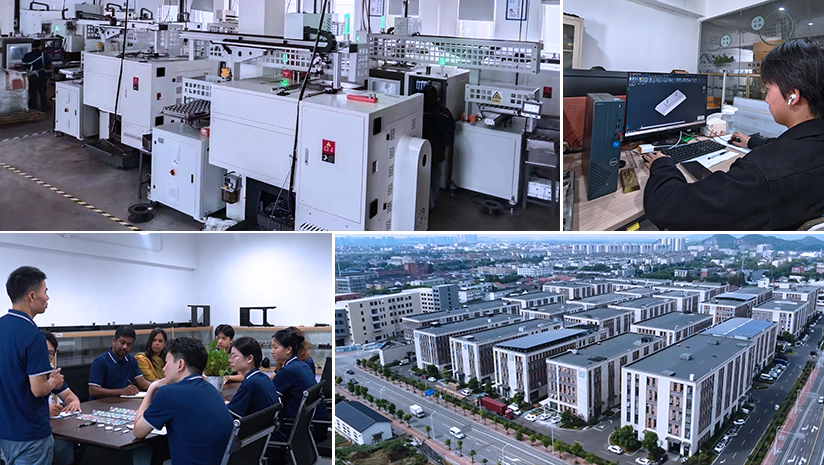
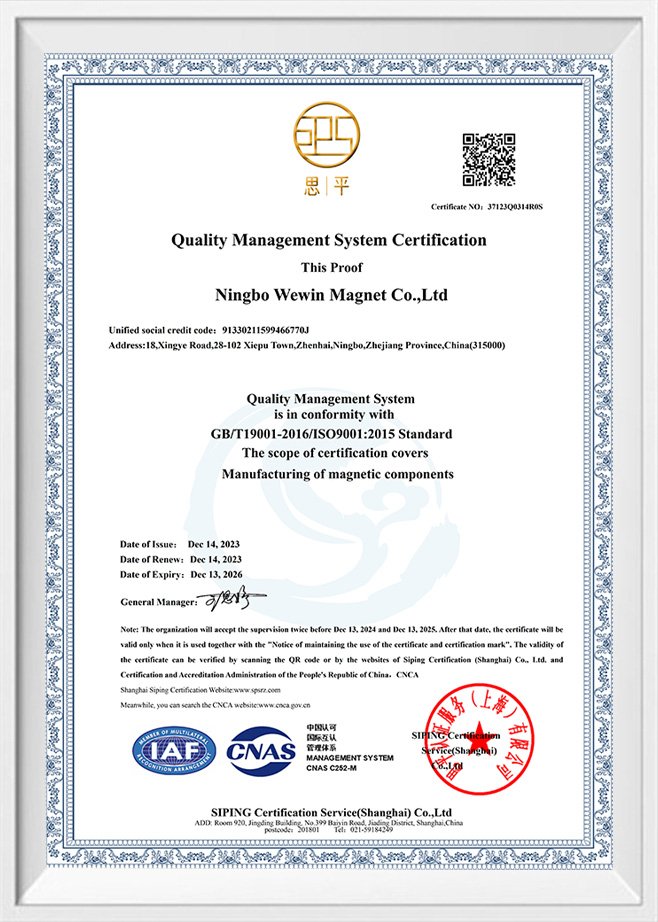
At Ningbo Wewin Magnet Co., Ltd, the assembly parts within the system are engineered to tolerances within ±0.05 mm, ensuring that the magnet-to-adapter connection remains rigid even under the vibration loads of concrete compaction. This level of precision is not accidental — it results from a testing laboratory equipped with state-of-the-art measuring and testing devices, where each batch undergoes dimensional verification, pull-force testing, and cycle fatigue simulation before shipment.
Typical Holding Force Range by Adapter-Magnet Configuration (N)
Figure 1 — Indicative holding force values across Wewin adapter-magnet configurations
Understanding what physically makes up a Shuttering Magnet With Adapter helps purchasing engineers and site foremen specify the right configuration. The assembly typically consists of four functional parts:
| Component | Material | Primary Function | Tolerance Class |
|---|---|---|---|
| Magnet Body | NdFeB + Steel Housing | Generate & release holding force | ±0.1 mm |
| Adapter Plate | Hardened Steel | Interface between magnet and profile | ±0.05 mm |
| Locking Bolt/Pin | High-tensile Steel | Secure adapter to magnet body | Grade 8.8 |
| Rubber/TPU Seal | Shore 60A Elastomer | Vibration dampening & concrete sealing | Profile-matched |
One area where Ningbo Wewin Magnet Co., Ltd distinguishes itself is in its approach to R&D-backed quality control. The company's testing laboratory uses state-of-the-art measuring and testing devices so that its R&D team can ensure ongoing development and maintenance of high-quality standards — and guarantee full compliance with customer requirements and all applicable regulations. In practice, this means every Shuttering Magnet With Adapter leaving the facility has been pull-force tested, dimensionally verified, and cycle-life assessed.
A standard batch protocol at Wewin includes:
Holding Force Retention Over Activation Cycles (%)
Figure 2 — Force retention comparison across 50,000 cycles
Selecting the correct adapter within an Adapters & Assembly Parts System is not just a matter of matching a bolt pattern. Several variables interact to determine both performance and service life:
Wider adapters distribute magnetic flux more evenly across the formwork profile. For L-profiles with a flange width below 40 mm, a bridging adapter is typically required to maintain adequate contact area. Wewin's design team regularly advises clients during the specification phase to prevent common mismatches.
High-frequency vibrators (above 150 Hz) can excite micro-movement at the adapter-magnet interface. In such cases, a rubber-isolated adapter with Shore 60A dampening inserts reduces the risk of positional drift during casting. Test data from Wewin's lab indicates that rubber-isolated adapters reduce lateral drift by up to 70% compared to rigid-mount equivalents under 180 Hz vibration.
Casting bed flatness affects the magnetic air gap. Even a 0.5 mm surface deviation can reduce effective holding force by 12–18%. Using an adapter with a self-leveling contact face compensates for minor surface irregularities and maintains consistent performance across the production shift.
Performance Radar: Adapter Selection Criteria
Figure 3 — Radar comparison of Wewin adapter-magnet vs. industry average across five key performance dimensions
Industry data from precast facilities that have transitioned to a unified Adapters & Assembly Parts System show measurable gains in both throughput and tooling cost. The ability to use a common magnet body across different formwork profiles reduces spare-part SKU count by an average of 35–45%, which simplifies procurement and warehouse logistics significantly.
Average Formwork Setup Time (minutes per linear meter) — Before vs. After Adapter System
Figure 4 — Setup time reduction after adopting a modular adapter system, by plant type
Technically possible in some cases, but not recommended. The interface geometry, bolt-hole pattern, and contact surface flatness are all designed as a matched system. Using third-party adapters can introduce air gaps at the magnet face that reduce holding force, and the dimensional mismatch may accelerate wear on the locking mechanisms. Wewin's adapters are machined to match the exact interface specification of their magnet bodies, so there is no ambiguity in performance.
The two most reliable indicators are visible wear on the contact face (scratches deeper than 0.3 mm) and a noticeable drop in holding force during routine pull-force checks. Many facilities set a simple threshold: if a unit tests below 90% of its rated holding force, the adapter is retired. Wewin recommends a full inspection every 10,000 cycles or six months, whichever comes first.
For standard catalog adapters, lead time is typically 2–3 weeks from order confirmation. For custom geometries — such as adapters designed for proprietary profile systems — the timeline extends to 5–7 weeks, which includes one round of prototype validation. The engineering team at Ningbo Wewin Magnet Co., Ltd reviews dimensional drawings and provides feedback within 48 hours of submission.
Yes. Several customers operating robotic formwork placement systems use Wewin's adapter-magnet assemblies. The key requirement is dimensional consistency from unit to unit so that the robot's gripper and placement coordinates remain valid throughout a production run. Wewin's CMM-verified manufacturing process keeps unit-to-unit variation within ±0.05 mm, which is within the tolerance window required by most industrial robot controllers.
Standard adapters ship with zinc phosphate plus powder-coat finish. For outdoor precast operations or coastal environments with elevated chloride exposure, Wewin offers hot-dip galvanized and hard chrome options. The appropriate choice depends on the expected service environment and how often the adapters will be removed and reinstalled, since harder coatings are less forgiving of abrasion during frequent handling.

Our products are already being applied in a wide range of walls, floors roofs, and bridges as precast concrete systems.
Product Categories
Contact Us
+86-13336668191
+86-17857076210
No. 102, Building 28, Zhongnan High tech Intelligent Manufacturing Valley, No. 18 Xieye East Road, Xiepu Town, Ningbo City, Zhejiang Province, China.
