
 English
 Español
 русский
 日本語
日本語
 عربى
عربى

Carbon Fiber Reinforcement in Concrete: A Direct Answer Yes, carbon fiber reinforcement works in concrete. When short chopped carbon fibers are added at a volu...
READ MORE
Wholesale Lifting System For Precast Concrete
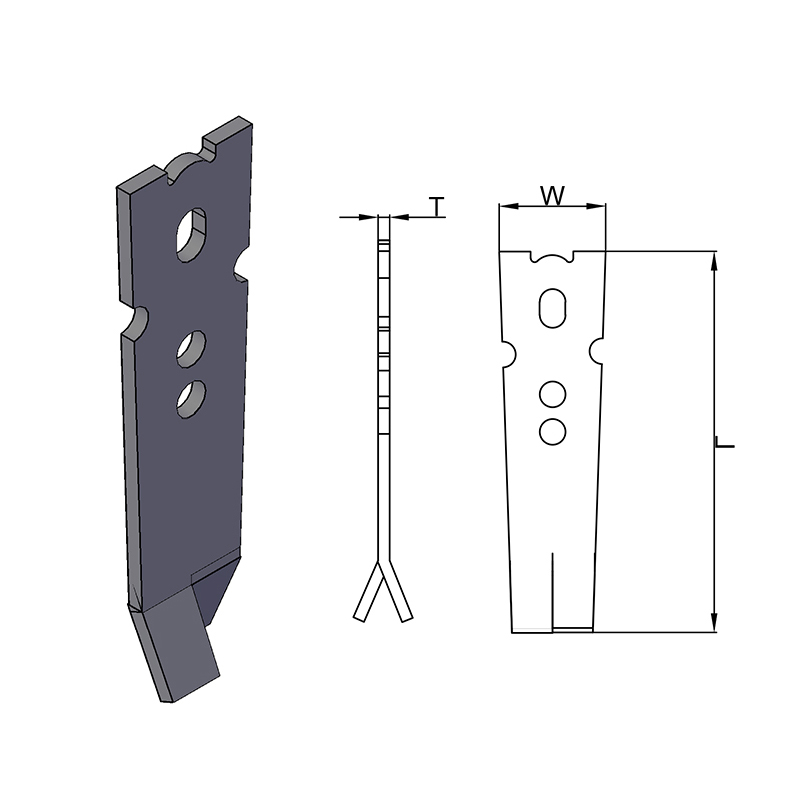
The Erection Anchor is a specialized tool engineered for lifting and securing precast concrete eleme...
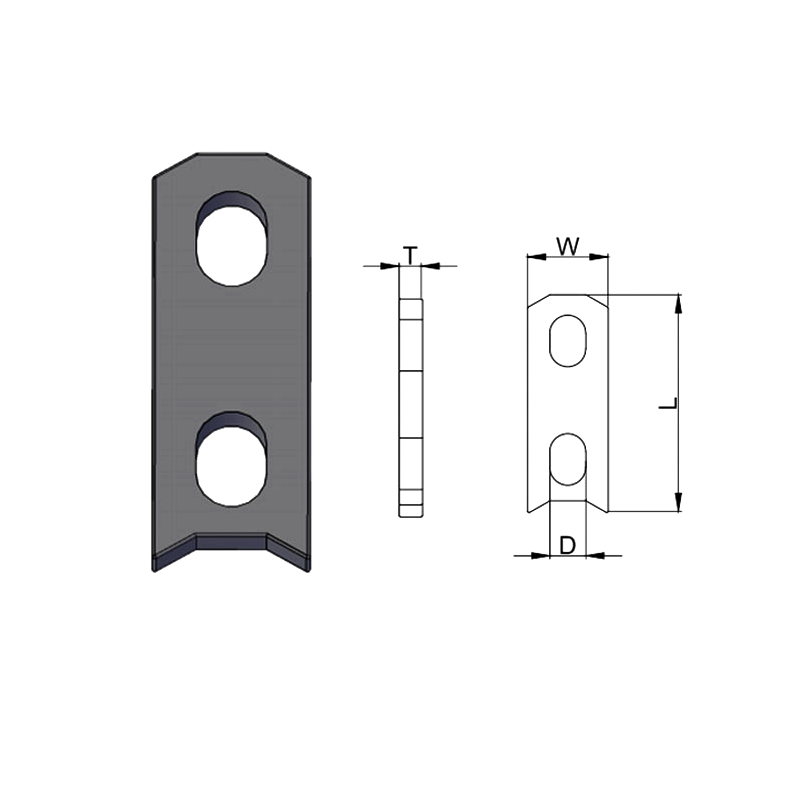
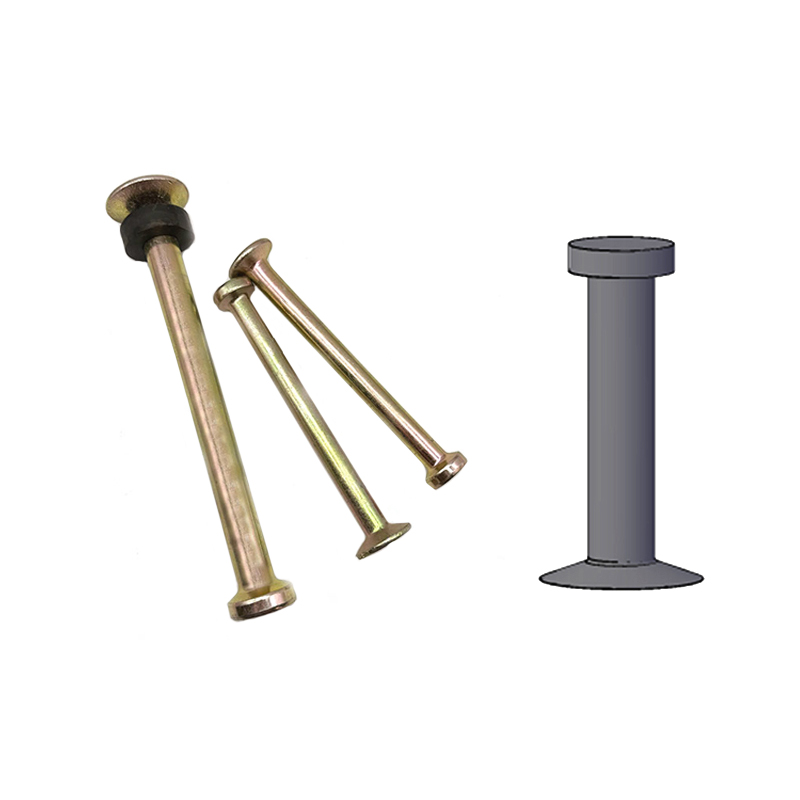
Lifting Anchor which is also named as Spherical head anchor/Foot Anchor in different areas, consists...
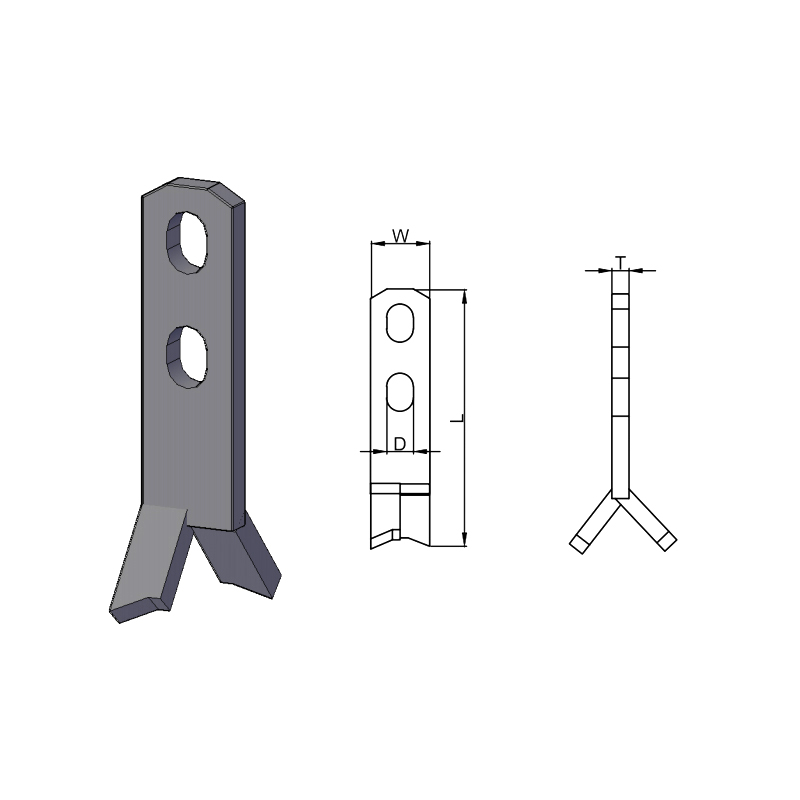
The Spread Anchor is designed with an extended foot that is an industrial-scale solution for high-ca...
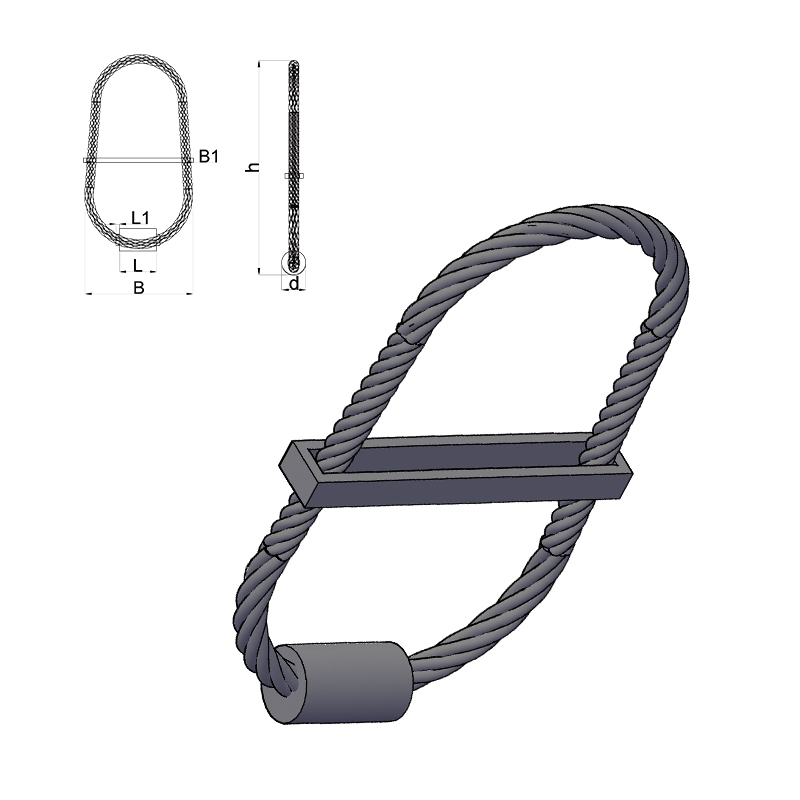
Cast-in Loop – a high-quality solution to secure the lifting and moving of precast concrete elements...
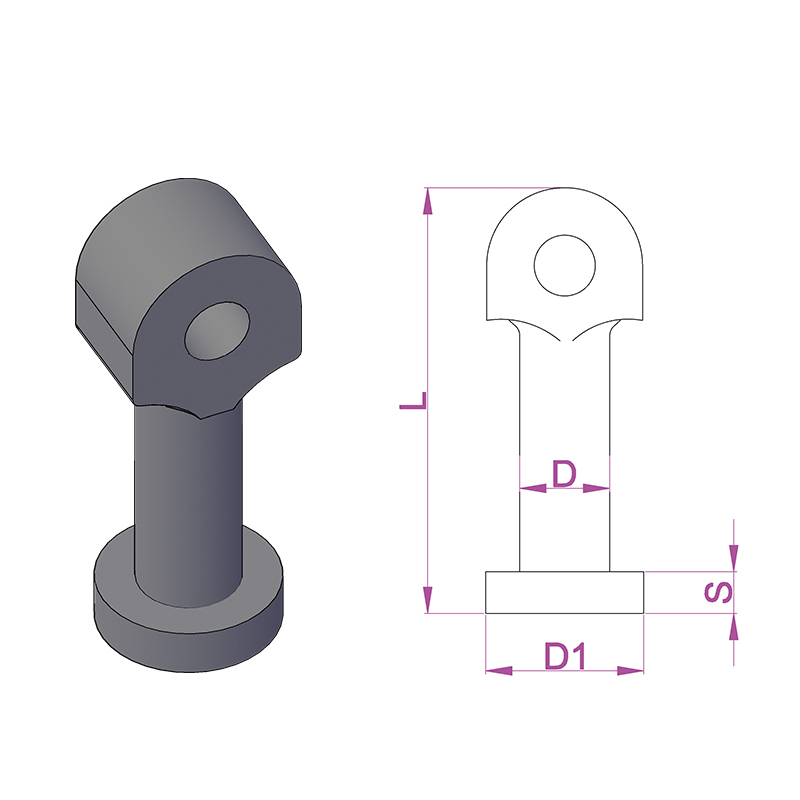
A reliable eye-lifting anchor for industrial applications is manufactured by Wewin Magnet Co., Ltd. ...
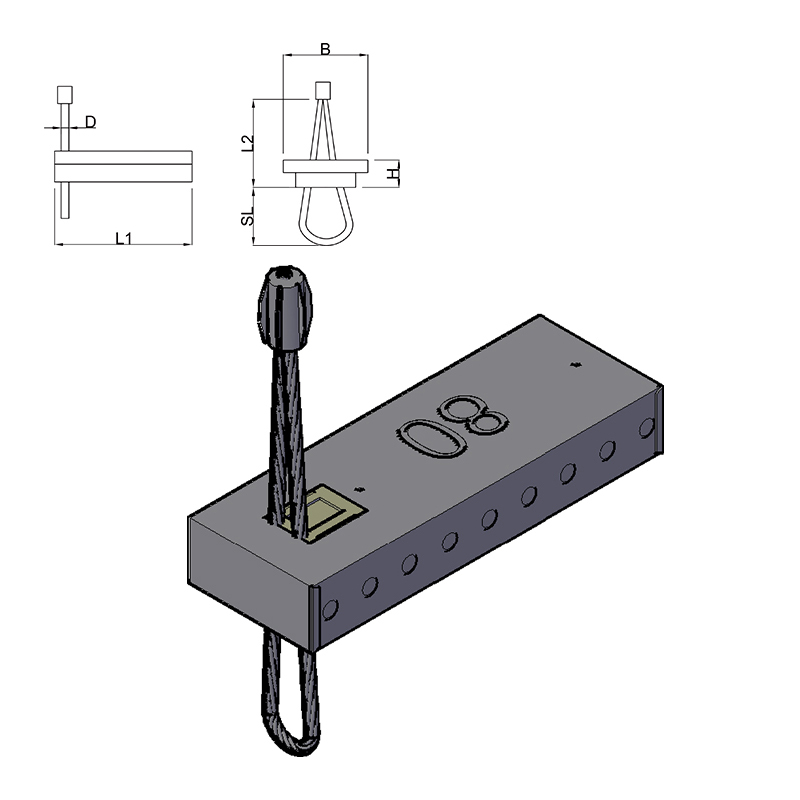
The Precast Wall Connecting Loop Box by Wewin Magnet Co., Ltd. is introduced. How this product works...
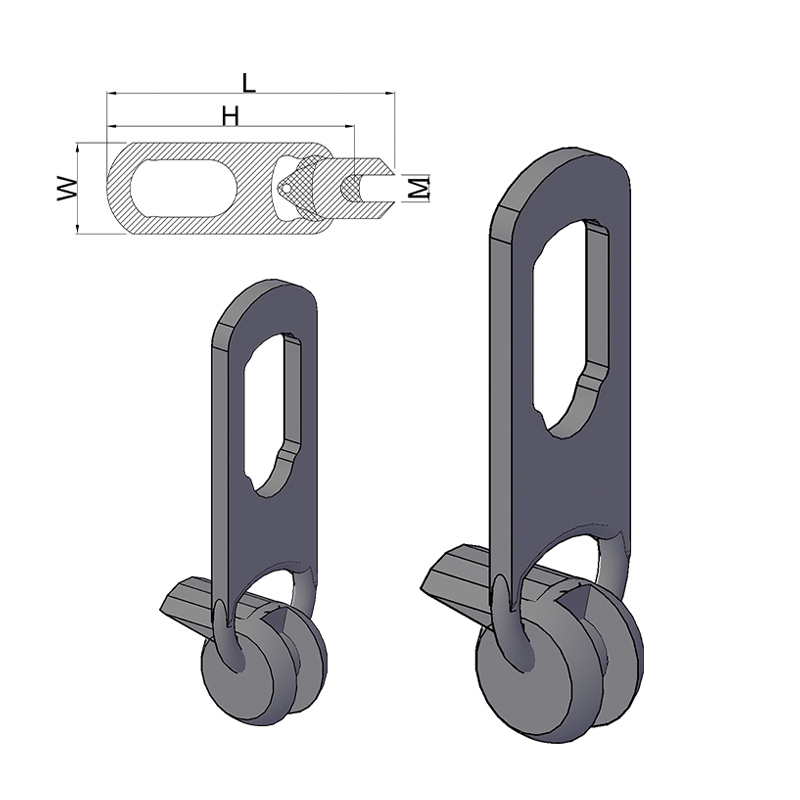
Product Introduction Wewin Magnet Co., Ltd. would like to introduce our Spherical Head Anchors, made...
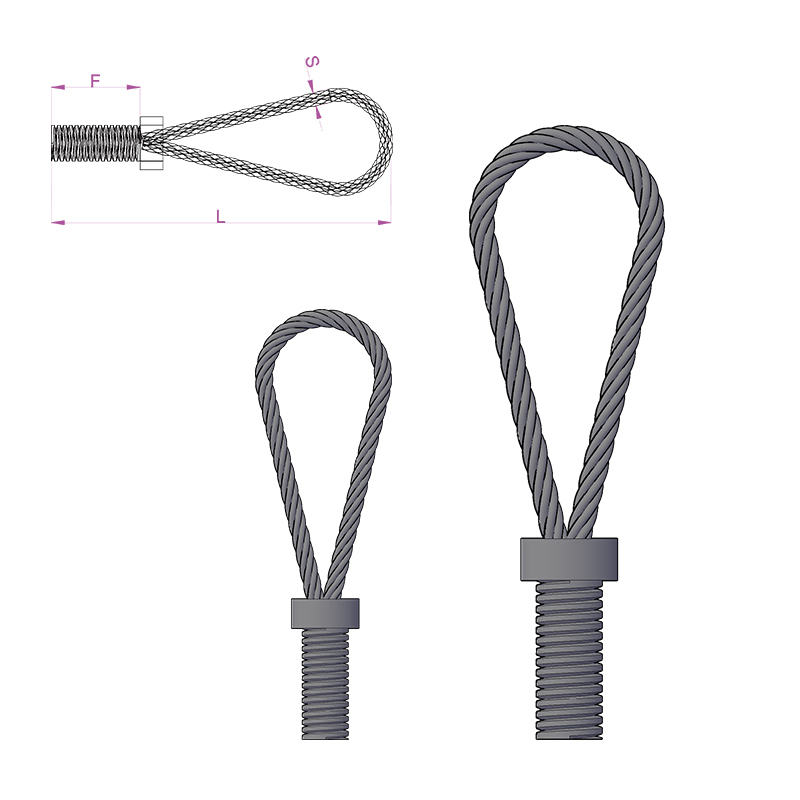
A high-strength and reliable solution to lift precast concrete elements or other heavy materials as ...

Carbon Fiber Reinforcement in Concrete: A Direct Answer Yes, carbon fiber reinforcement works in concrete. When short chopped carbon fibers are added at a volu...
READ MOREConcrete lifting lugs, also called lifting anchors or erection anchors, are the embedded steel connection points that transfer the weight of a precast concrete...
READ MOREEvery building project that relies on concrete precast elements faces one fundamental purchasing question: how do you know the components arriving on site will...
READ MOREThe precast concrete production process is only as reliable as the system that holds the mold together while concrete cures. Shuttering magnets, insert magnets...
READ MOREThe four most critical precast concrete wall details are the reinforcement layout, embedded connection hardware, joint sealing system, and panel lifting points...
READ MOREA lifting system for precast concrete is the backbone of modern prefabrication construction. It covers everything from the embedded anchors and sockets cast into the element, to the clutches, hooks, and shackles that connect to the crane — and every component in between. Whether you are handling a 200 kg facade panel or a 12-tonne double-T floor slab, the lifting system determines how safely, quickly, and cost-effectively that element moves from the casting bed to its final position on site. At Ningbo Wewin Magnet Co., Ltd, we have been supplying lifting hardware alongside shuttering magnets and formwork accessories for years, shipping directly from our factory in Ningbo, China, to precast plants and construction sites worldwide.
Many buyers search for "lifting system for precast concrete" and receive a quote for anchors alone. In practice, the system is a matched set of components that must work together at their rated load. Missing any one part — or mixing incompatible parts — nullifies the load certification and creates real site risk.
| Component | Typical Material | Safe Working Load Range | Key Role |
|---|---|---|---|
| Erection Anchor | High-strength steel, hot-dip galvanised | 1.3 t – 32 t | Transfers load from concrete into clutch |
| Lifting Socket / Sleeve | Cold-forged or cast steel | 2.5 t – 20 t | Accepts threaded lifting bolt at surface |
| Ring / Clutch Head | Cast alloy steel (35CrMoV) | 0.8 t – 20 t | Connects anchor to crane hook |
| Recess Former / Cap | Polypropylene or rubber | — | Keeps anchor pocket clean during casting |
| Shear / Tension Bar | Rebar B500B | Per structural design | Distributes load into concrete matrix |
The single most common mistake we see from customers — especially those buying for the first time — is selecting the anchor by load rating alone. Element geometry and handling method matter just as much. Here is a practical breakdown of the most widely used anchor types and where each one belongs.
The most versatile option for walls, columns and beams. The rounded head engages the ring clutch from any rotational angle, which matters a great deal when a slender column needs to be tilted from horizontal to vertical during erection. Load ratings commonly run from 1.3 t to 32 t, and the foot design — either flat or forked — distributes tensile force back into the reinforcement cage without requiring a separate tension bar in most standard applications.
Designed specifically for thin-walled elements: sandwich panels, facade slabs, and hollow-core slabs under 180 mm in thickness. The wide foot plate spreads the pullout load across a larger concrete area, preventing edge spalling at relatively low embedment depths. These are standard in prefab facade production in Germany and Northern Europe and have become common in Chinese export projects over the past decade.
Used where the lifting point needs to be flush with the finished surface — parking decks, flooring slabs, and architectural precast elements. A threaded bolt screws in at lift time and is removed after installation, leaving only a small recess that can be grouted. The matched bolt must be certified to the same SWL as the socket; substituting a generic M16 hardware bolt is a serious safety violation.
Cost-effective for lighter pipe, culvert, and small slab elements where a protruding loop above the concrete surface is acceptable. Wire rope loops handle pure tension well; for edge or angled lifts, a rebar loop with a shackle is more appropriate. These are generally not reusable, which means large-volume plants look at higher-specification systems to reduce per-lift consumable cost.
The chart below shows the typical maximum safe working load (SWL) for the four most common anchor types used in precast lifting systems. These figures are for reference — actual SWL depends on concrete grade, embedment depth, and element geometry.
Reference values only. Always refer to manufacturer load tables and structural engineer approval.
After years of working closely with precast plants in Ningbo and across China, we have found that the problems rarely come from defective hardware — they come from procedural errors during casting and erection. Below is the standard installation sequence with the critical checkpoints flagged.
Data compiled from precast concrete safety reports across the Asia-Pacific region (2018–2023) consistently shows that plants using certified matched lifting systems — anchor, clutch, and recess former from the same product family — report significantly fewer lifting-related incidents compared to plants using mixed or unverified components. The trend below reflects the percentage of incident-free lifts reported annually as adoption of matched systems increased.
Illustrative trend based on aggregated Asia-Pacific precast safety audit data. Individual plant results will vary.
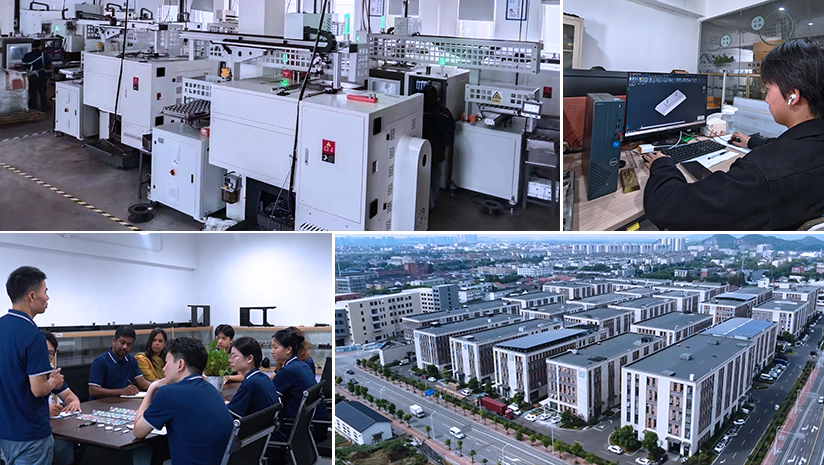
Ningbo Wewin Magnet Co., Ltd is based in Ningbo, Zhejiang — one of China's largest manufacturing and export hubs. We are not a trading company. We manufacture magnetic products and precast concrete accessories in-house, and over the years we have built solid working relationships with the precast concrete component factories concentrated in this region. That gives us something most suppliers cannot offer: we understand how the end customer — the precast plant — actually uses these lifting systems, because our neighbors and partners are those plants.
Price is rarely the full picture when qualifying a lifting hardware supplier. The radar chart below illustrates the six criteria that purchasing managers at precast plants typically weigh when comparing suppliers. It also shows how a China factory-direct supplier compares to a European-stock distributor on each dimension.
The most persistent misconception we encounter is that a lifting anchor's SWL equals the element weight divided by the number of anchors. This ignores two factors that can double or triple the effective load on each anchor:
Precast elements are not lifted perfectly smoothly. Crane jerk, uneven stranding of the wire rope, and sudden wind gusts create dynamic peaks. Industry practice applies a dynamic factor of 1.3 to 1.5 to the static element weight when sizing anchors. A 10-tonne slab therefore requires lifting hardware rated for at least 15 tonnes total SWL across all anchor points.
When sling legs are not vertical — which is almost always the case — the tension force in each leg exceeds the static share of the element weight. At a sling angle of 30 degrees from vertical, the force in each leg increases by approximately 15%. At 45 degrees, it increases by over 41%. Most short-form anchor load tables assume a vertical lift; confirm what angle the manufacturer's SWL values are based on.
For a four-point lift with 60° sling angles, each anchor experiences twice the static load it would under a vertical lift.
These are real questions from buyers and project engineers, answered based on our manufacturing experience and our knowledge of how precast plants in China and internationally operate.
Technically possible in some cases, but strongly inadvisable. Load certification for a lifting system is issued for the matched anchor-and-clutch pair as tested. Mixing components from different manufacturers voids that certification. More practically, minor dimensional differences in anchor head diameter or profile can prevent the clutch from engaging fully, reducing the actual load capacity well below the nameplate SWL. If your plant must mix components due to availability, an independent load test is required before putting the combination into service.
Most system manufacturers specify a minimum characteristic compressive strength of 20 N/mm² (C20/25) for elements under 5 tonnes. For heavier elements or those with reduced embedment depth, 25–30 N/mm² is typically required. The critical detail is that this strength must be confirmed by cube test results from the actual pour, not assumed from the mix design. Many accidents occur when plants rely on scheduled stripping times rather than actual strength data.
Not all, but far more often than people assume. If the precast element will be exposed to the weather during outdoor storage — which is the norm for wall panels, columns, and beams — the period between casting and installation can run from weeks to over a year on large projects. Carbon steel anchors begin to rust at the surface pocket during this period, and rust expansion can crack the concrete around the anchor head. For elements with an outdoor exposure period of more than 4 weeks, galvanised or stainless steel anchors are the safer specification at a modest cost premium of typically 8–15%.
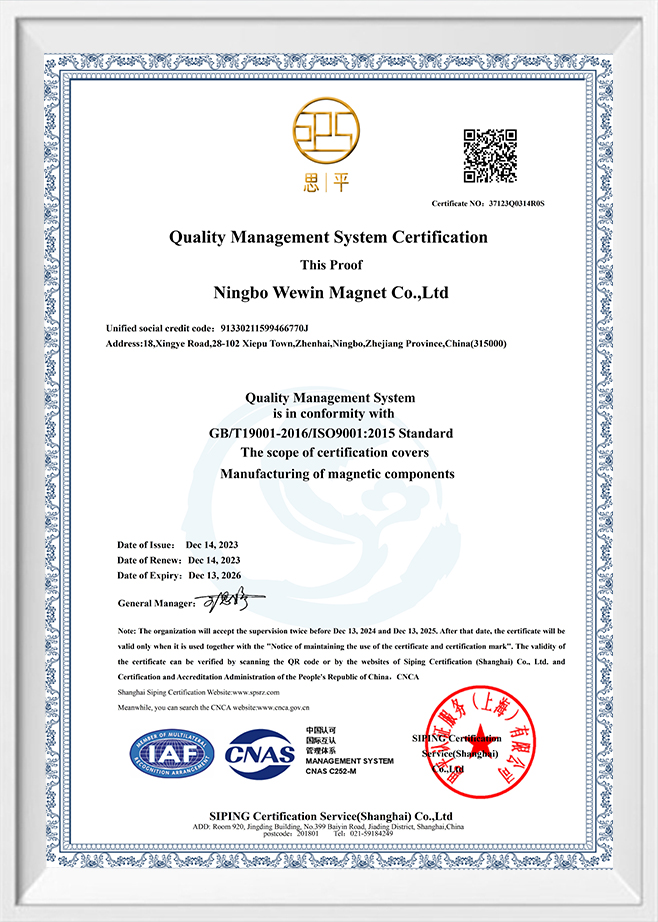
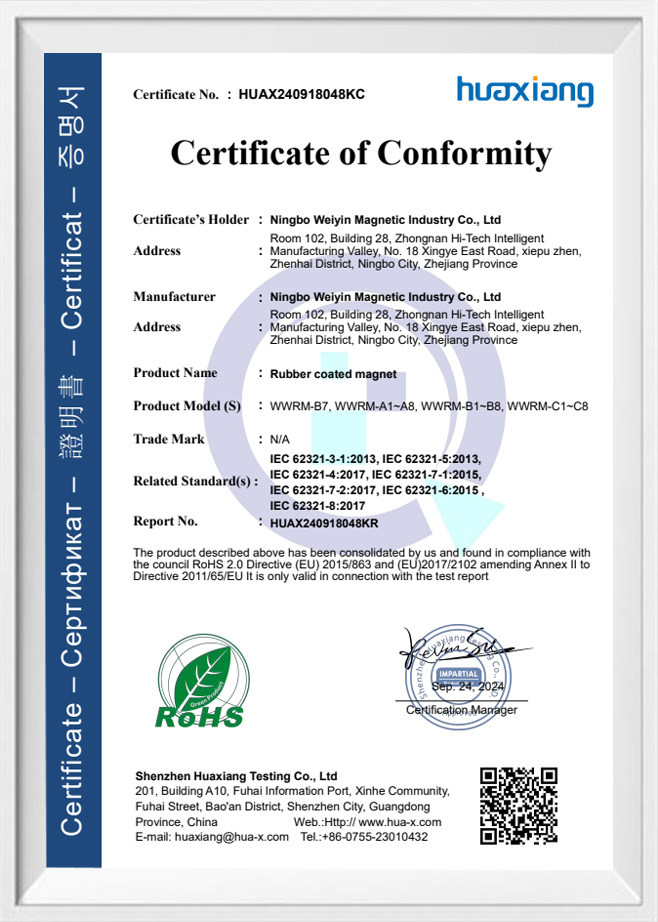
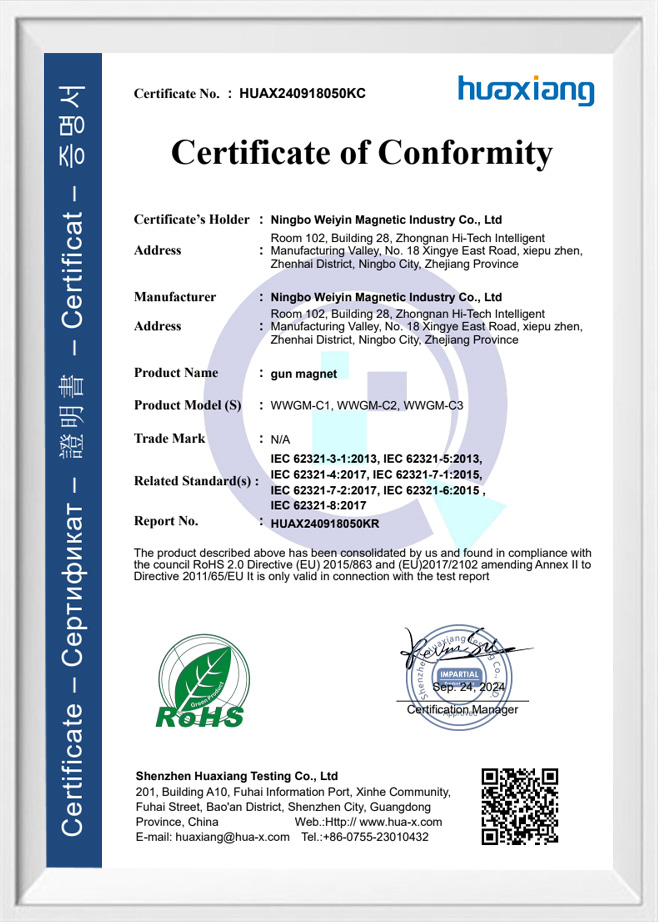
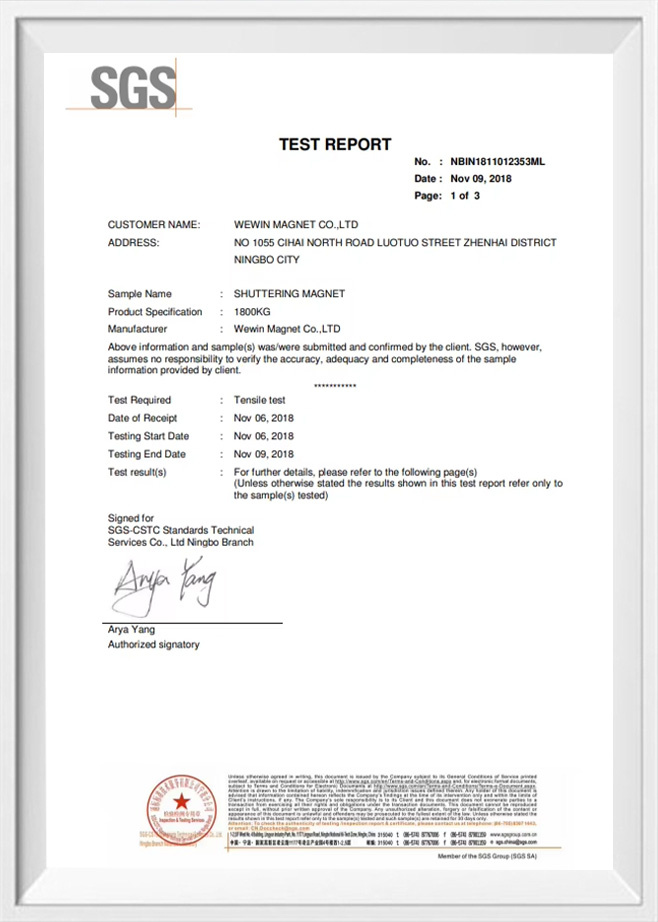
Ask for the test reports first. A reputable manufacturer will have third-party load test certificates for each anchor series, showing the tested failure load (which should be at least 4× the rated SWL for a safety factor of 4:1). For your first order, it is reasonable to request a small batch of sample anchors and send them for independent pull-out testing at an accredited lab. We at Ningbo Wewin Magnet Co., Ltd welcome this and will provide certified material certificates as standard on request.
The terms are often used interchangeably, but technically they describe different loading scenarios. An erection anchor is sized for the heaviest single-element lift during installation — typically the element hanging stationary on the crane. A transport anchor must additionally handle dynamic road or rail vibration loads over an extended period. For road transport without a crane, loop anchors or socket inserts that accept lashing points are often used instead of the spherical head type designed primarily for crane lifting.
Yes. We supply the full matched set: erection anchors, flat plate anchors, loop inserts, recess formers, ring clutches, and shackles. As a factory-direct supplier in Ningbo with close ties to the local precast industry, we can consolidate a complete lifting system order and ship it as one consignment, which simplifies customs clearance and reduces freight cost compared to sourcing components from multiple suppliers. Contact us with your element weight range, concrete grade, and element type, and we can recommend the appropriate system within one business day.
Lifting clutches and ring heads are reusable components designed for hundreds of lifts. Anchors themselves are consumed in the element, but the hardware above the concrete surface — the clutch, shackle, and spreader beam — should last years. The economics shift significantly when you look at total cost over a project rather than unit purchase price.
| Item | Low-Cost Option | Quality Grade (35CrMoV) |
|---|---|---|
| Unit purchase price | Low | Moderate |
| Rated service life (lifts) | 100–200 | 500–800+ |
| Replacements needed over 500 lifts | 3–5 units | 0–1 units |
| Total cost over 500 lifts (relative) | Higher due to replacement | Lower total spend |
| Inspection frequency | Every 50 lifts or weekly | Every 100 lifts per manufacturer guidance |

Our products are already being applied in a wide range of walls, floors roofs, and bridges as precast concrete systems.
Product Categories
Contact Us
+86-13336668191
+86-17857076210
No. 102, Building 28, Zhongnan High tech Intelligent Manufacturing Valley, No. 18 Xieye East Road, Xiepu Town, Ningbo City, Zhejiang Province, China.
