English
 Español
 русский
 日本語
日本語
 عربى
عربى

Content
- 1 What Defines a Concrete Precast Element?
- 2 Principal Types of Precast Concrete Elements
- 3 How Precast Concrete Elements Are Manufactured
- 4 Production Tolerances and Quality Control
- 5 Magnetic Systems That Speed Up Precast Element Production
- 6 Lifting and Handling Precast Elements Safely
- 7 How to Choose a Reliable Precast Element Supplier
- 8 Cost Factors That Decide the Final Price of Precast Elements
- 9 Frequently Asked Questions on Concrete Precast Elements
- 9.1 What is the difference between precast and prestressed concrete?
- 9.2 How long does a precast concrete element last?
- 9.3 What is the maximum length of a precast concrete element?
- 9.4 Can precast concrete elements be cut or modified on site?
- 9.5 How are precast concrete elements connected to each other?
- 9.6 Do shuttering magnets work with all steel pallets?
Every building project that relies on concrete precast elements faces one fundamental purchasing question: how do you know the components arriving on site will fit together, lift safely, and last for decades? The answer lies in how those elements are designed, produced, and handled. Concrete precast elements are structural or architectural components manufactured by casting concrete in a reusable mold inside a factory, curing it under controlled conditions, and then transporting it to site for installation. This guide explains the principal element types, the step-by-step production process, the tolerances that control quality, and the magnetic formwork technology that has become a productivity standard in modern precast plants.
What Defines a Concrete Precast Element?
A concrete precast element is a structural or architectural component produced by pouring concrete into a reusable mold inside a factory environment, where curing conditions are controlled for consistency and strength development. The mold, usually made of steel, defines the final geometry of the product. Unlike cast-in-place concrete, which is formed and cured in its final position on the construction site, precast elements are manufactured away from their final location and transported there once cured.
Three characteristics separate precast concrete from site-cast concrete:
- Controlled curing: temperature and humidity are managed in the factory, producing higher early strength and fewer surface defects.
- Standardized reinforcement: rebar cages and prestressing strands are positioned precisely, improving structural reliability and consistency.
- Repeatable tolerances: the same mold produces identical components across large orders, simplifying site assembly and reducing shimming and adjustment work.
According to the Precast/Prestressed Concrete Institute (PCI), the controlled environment of precast production removes much of the weather-related variability that affects cast-in-place work. Factory casting also allows formwork to be reused multiple times per day, which is the core productivity advantage of precast over traditional concrete construction. The PCI has published design and fabrication standards since the 1950s, and these remain the reference framework for most precast projects in North America.
Principal Types of Precast Concrete Elements
The precast product family is broad, but most construction projects rely on a core set of standard element categories. The table below summarizes the most common types, their typical use, and the production feature that matters most for each one.
| Element Type | Primary Application | Typical Size Range | Production Feature |
|---|---|---|---|
| Beams and girders | Floor and roof framing for parking decks, bridges, and industrial buildings | 6 to 30 m span | Pre-tensioned strands for long spans |
| Columns | Vertical load support in framed buildings and stadiums | 3 to 15 m height | Steel molds with adjustable cross-sections |
| Wall and facade panels | Load-bearing walls, shear walls, and architectural facades | Up to 12 m height | Sandwich panels integrate an insulation layer |
| Hollow-core slabs | Floors and roofs in residential, hotel, and office buildings | 2 to 18 m span | Extruded on long-line beds with continuous voids |
| Stairs and landings | Access and egress in commercial and residential buildings | Standard flight lengths | High surface finish requirement |
| Retaining walls | Earth retention for highways, basements, and landscaping | 1 to 8 m height | Mass concrete or reinforced sections |
| Utility structures | Manholes, vaults, pipes, septic tanks, and culverts | Custom sizes | Corrosion-resistant mix designs |
How Precast Concrete Elements Are Manufactured
Precast production follows a fixed sequence in the factory. Every step affects the final quality of the element, so process discipline matters more than in any other casting method. The standard manufacturing cycle in a precast plant looks like this:
- Mold preparation: the steel mold is cleaned, checked for distortion, and coated with release agent. Magnetic formwork is positioned on the steel pallet to create the outer outline of the element.
- Reinforcement placement: rebar cages or prestressing strands are placed inside the mold. For prestressed elements, strands are tensioned to the specified force before concreting begins.
- Embedded inserts: lifting anchors, connection plates, conduits, and chamfer strips are fixed at their exact positions. This step determines whether the element can be lifted, transported, and connected safely later.
- Concreting: concrete is placed with a skip or pump and compacted using internal or table vibrators. Self-compacting concrete is often used for complex molds with dense reinforcement.
- Curing: steam curing at 50 to 70 degrees Celsius accelerates hydration and allows demolding within 12 to 24 hours.
- Demolding: magnetic boxes are switched off, side formers are removed, and the finished element is lifted with a crane using the embedded anchors.
- Finishing and storage: surfaces are patched, edges are ground, and elements are stored on purpose-built racks until shipment.
The demolding step is where productivity is won or lost in a precast plant. Traditional formwork clamping with bolts or wedges takes several minutes per position and requires holes to be drilled into the steel pallet. A magnetic shuttering system clamps directly onto the pallet without drilling or welding, and releases instantly with a lever movement. This is why shuttering magnets have become a standard tool for precast plants that need to change element geometries quickly across multiple production runs.
Production Tolerances and Quality Control
Tolerance management is the difference between a precast plant that delivers smooth site assembly and one that creates constant conflict during erection. European practice under the EN 13369 common framework for factory-made concrete products defines standard tolerance classes that are widely adopted by precast plants. Typical values for normal production are shown below.
| Parameter | Typical Tolerance | Impact on the Finished Structure |
|---|---|---|
| Cross-section dimensions | +/-5 mm | Affects structural fit, element weight, and joint widths |
| Overall length | +/-10 mm | Determines whether elements fit between columns and supports |
| Position of lifting anchors | +/-20 mm | Misplaced anchors cause unsafe lifting angles and rework |
| Reinforcement cover | +5 mm / -0 mm | Insufficient cover leads to corrosion and surface rust staining |
| Surface flatness | 2 mm over 1 m | Affects panel joints, wall alignment, and visible surface quality |
A reliable plant records these measurements for every production batch and keeps the records available for the purchaser. If a supplier cannot provide tolerance data when requested, that is a clear warning sign. The same applies to concrete cube test results and anchor positioning records, which directly affect structural safety on site.
Magnetic Systems That Speed Up Precast Element Production
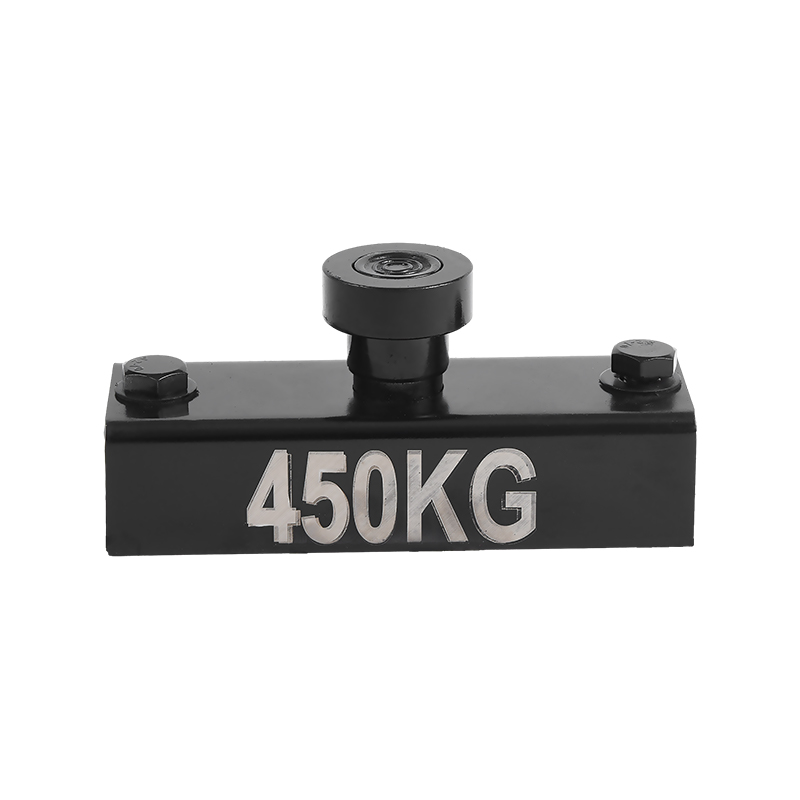
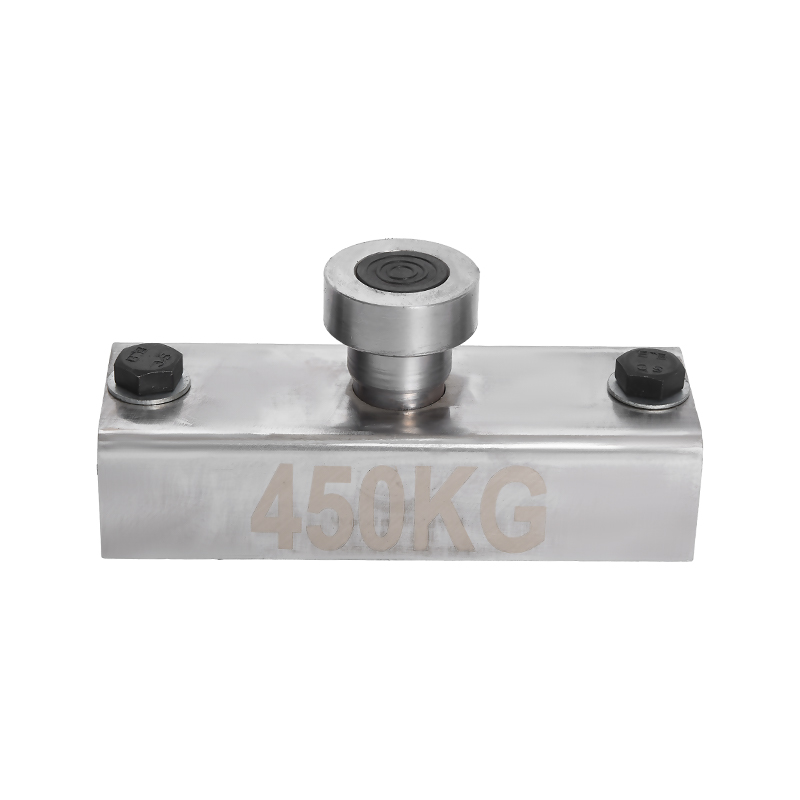
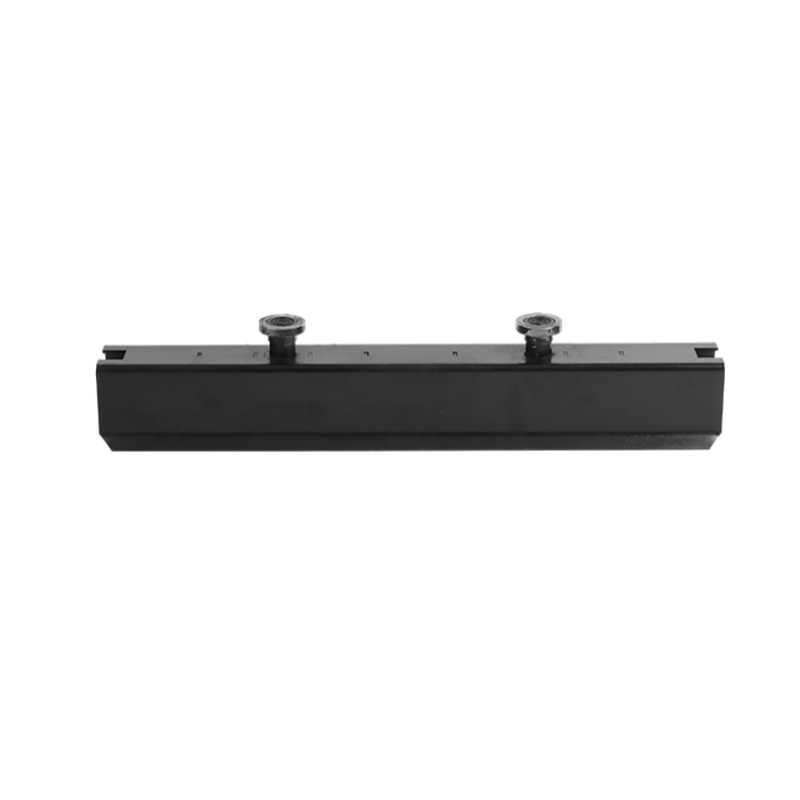
In a precast plant, every minute spent fixing or adjusting formwork is a minute that does not produce concrete. Magnetic formwork technology solves this directly: a shuttering magnet clamps steel formwork to a steel pallet with hundreds of kilograms of holding force, and releases it with a simple handle or lever movement.
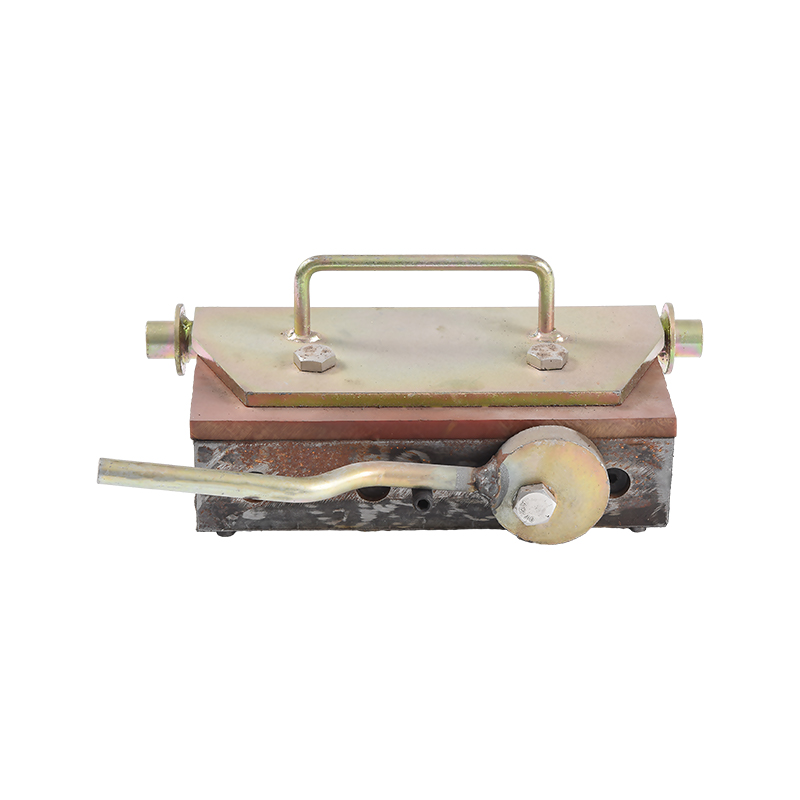
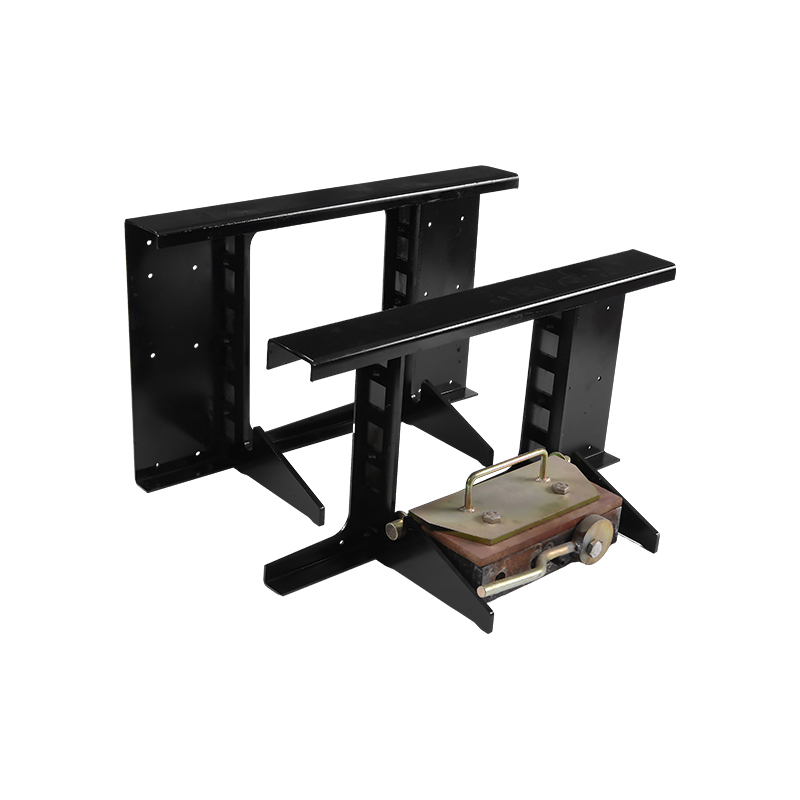 Shuttering Magnet with Handle for Quick Formwork AdjustmentA reusable magnetic clamp with an attached handle that locks and releases steel formwork with a quarter turn, reducing repositioning time significantly compared to bolt-fixed methods in precast plants.View Product →
Shuttering magnets with handles are widely used in precast plants because a quick quarter-turn locks or releases the magnet. Compared with bolt-fixed formwork, magnets reduce setup time by a significant margin. For example, repositioning a side former on a 12 m long slab pallet takes one worker about 30 seconds per magnet, versus 3 to 5 minutes per clamp for the same task. Over a shift with 20 repositioning steps, this can reduce formwork labor by roughly 2 to 3 hours and free the same worker for other tasks.
Insert magnets hold threaded sockets, lifting anchors, and other embedments in their exact position before the concrete is poured. Without magnetic holding, embedments shift during vibration and compaction, which leads to rejected elements and expensive site corrections. The insert magnet keeps the embedment flush against the pallet or form face so that after demolding, the socket sits exactly where the engineering drawing requires.
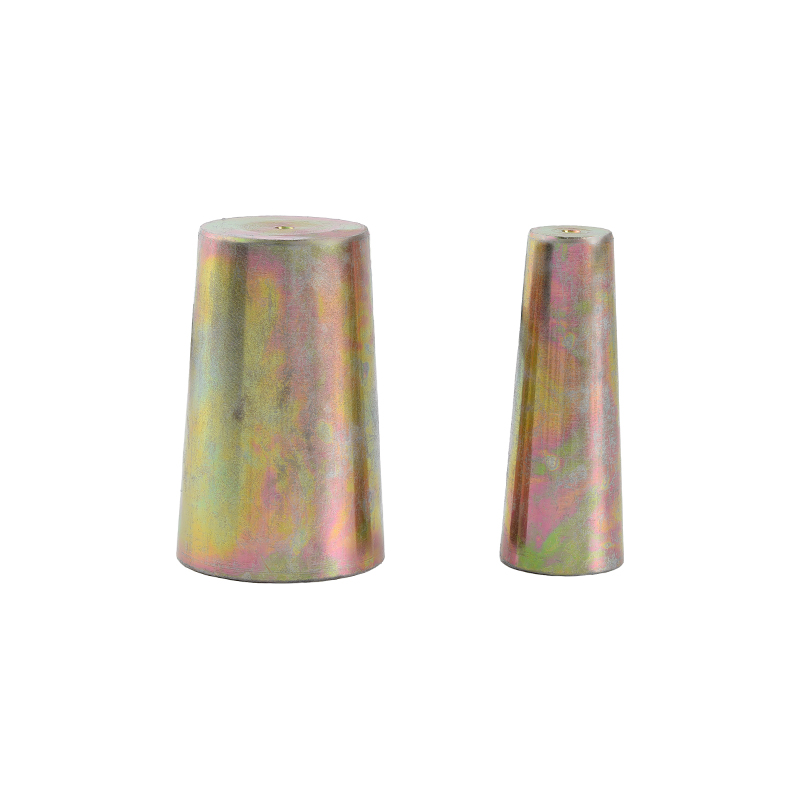 Insert Magnets for Precise Embedment PositioningThese magnets hold threaded sockets and lifting anchors firmly against the form face during concrete pouring, preventing displacement and ensuring embedments stay aligned with engineering drawings.View Product →
The practical benefits of magnetic systems in precast element production are measurable and consistent across plants:
- No drilling, welding, or patching on steel pallets, which preserves the pallet surface and reduces maintenance cost.
- Reusable across thousands of pours, so the per-element tooling cost decreases with every production cycle.
- Accurate embedment positioning, eliminating rework caused by shifted sockets and anchors.
- Fast to learn: a new worker can lay out a formwork geometry within hours instead of days of training.
For a closer look at how insert magnets hold their position during vibration and why that matters for precast production, see this technical summary: what an insert magnet is and its role in precast concrete production.
Lifting and Handling Precast Elements Safely
Lifting is the highest-risk stage in the precast element lifecycle. A precast element weighing anywhere from 2 to 30 tons must be lifted from the mold, moved to a storage area, loaded onto a trailer, and later erected on site. Every one of these lifts depends on cast-in lifting anchors that are selected for the element weight and the lifting geometry.
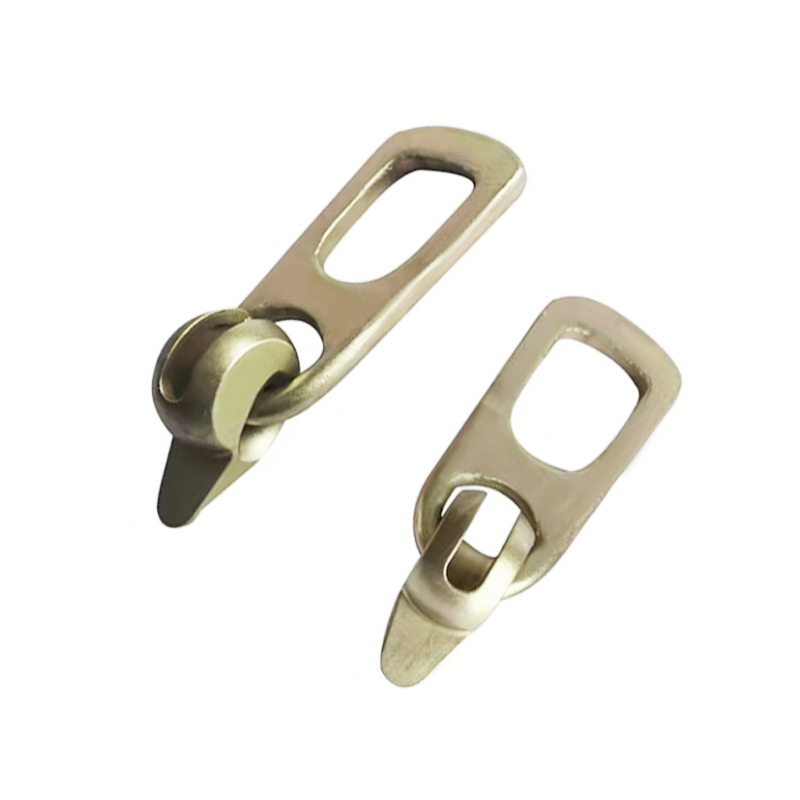
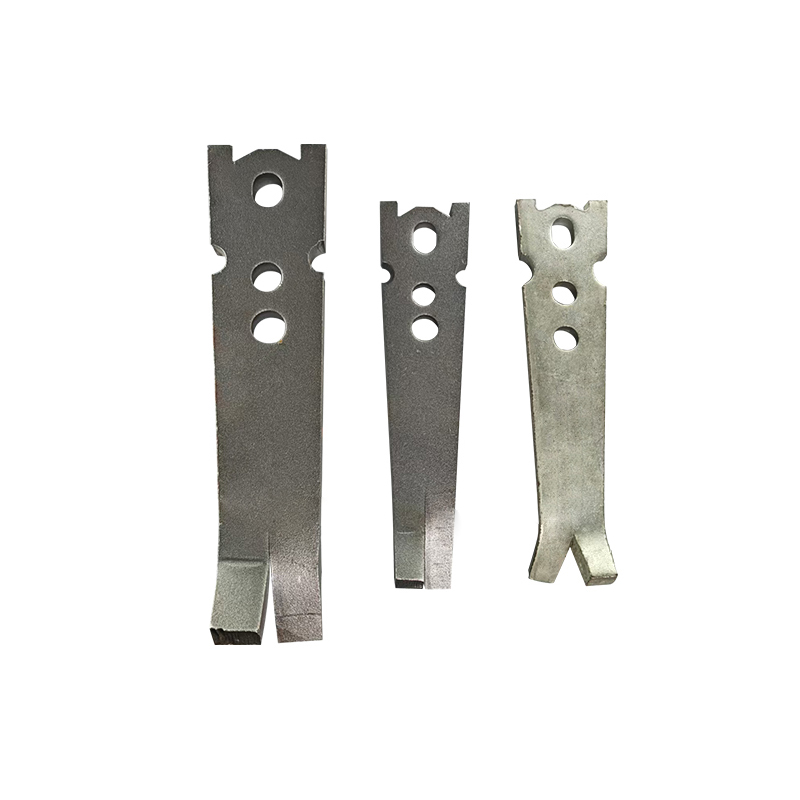 Erection Anchor for Safe Lifting of Precast ElementsA cast-in lifting anchor with high load capacity and corrosion resistance, designed to secure and lift precast concrete elements, with single-hole and two-hole options for various panel weights.View Product →
Erection anchors are embedded in the concrete during casting and become the connection point for lifting clutches and chains. The most common designs are single-hole straight anchors for light elements and two-hole anchors that allow two-point lifting of larger panels and beams. Anchor capacity must be matched to the dynamic load during lifting. A widely used practice in precast lifting is to size the anchor so that its safe working load is at least three times the static element weight, which covers the additional forces caused by tilting, pull angles, and crane acceleration.
Two factors define a safe lifting setup:
- Anchor position: anchors located closer to the element corners reduce bending stresses during lifting. A standard rule for two-point lifting places the anchor points at approximately one-fifth of the element length from each end.
- Lifting angle: the angle between lifting chains and the element surface should remain within a 30 to 60 degree range. Flat lifting angles below 30 degrees multiply the horizontal force on the anchor and increase the risk of concrete cracking around the anchor zone.
Using factory-matched lifting clutches that fit the anchor profile, and training workers to inspect anchors for damage before every lift, are non-negotiable practices in a well-run precast plant. Anchor and clutch wear should be logged and retired components replaced immediately.
How to Choose a Reliable Precast Element Supplier
Whether you are buying precast elements for a residential complex or specifying components for an industrial facility, the supplier evaluation should follow a structured checklist rather than comparing price per cubic meter alone. The long-term cost of a poor supplier shows up in site delays, rejected elements, and rework, not in the invoice.
- Production capacity and equipment: ask about bed length, mold inventory, number of casting lines, and daily output. A plant with long-line beds can handle continuous slab production more efficiently than one limited to short individual molds.
- Embedment and lifting system: confirm that the plant uses standard lifting anchors and insert magnets that match the on-site connection system. Mismatched embedment systems cause costly delays during erection.
- Quality records: request tolerance data from recent production batches, including concrete cube test results and anchor positioning logs. A plant that cannot produce these documents on request is a serious procurement risk.
- Mold flexibility: a supplier that uses magnetic formwork can change element geometry quickly, which shortens lead time for custom dimensions and makes design revisions less painful.
- Transport and delivery: check the distance from plant to site, the maximum element length the trailers can carry, and whether the supplier coordinates delivery schedules with the erecting crew to minimize crane idle time.
For plant managers evaluating whether to upgrade their current formwork setup, the magnetic tooling supplier's product range matters as much as the precast supplier's capability. A manufacturer that understands both the precast process and the magnet application will save you troubleshooting time and reduce production disruptions. You can review the complete magnetic product lineup on the manufacturer's main product page.
Cost Factors That Decide the Final Price of Precast Elements
Precast element pricing is not a single number. The final unit price depends on element complexity, mold amortization, batch size, and logistics. Understanding these cost drivers helps buyers negotiate better prices and avoid expensive surprises. The table below groups the main cost drivers and explains how each one affects the final quote.
| Cost Driver | Impact on Price | Cost Reduction Strategy |
|---|---|---|
| Mold cost | High for custom geometry; low for standardized elements | Standardize dimensions and reuse molds across projects |
| Batch size | Larger orders dilute setup cost per element | Combine smaller orders into repeating production runs |
| Embedments and lifting anchors | Adds material cost and placement labor | Use standard anchor ranges and magnetic placement to cut labor |
| Prestressing | Adds strand and tensioning cost but reduces concrete volume | Optimize strand layout to reduce element self-weight |
| Curing energy | Steam curing consumes energy proportional to cycle time | Use efficient insulation and heat recovery systems |
| Transport distance | Heavy elements cost significantly more beyond 100 km | Select a plant within economic hauling distance of the site |
Frequently Asked Questions on Concrete Precast Elements
What is the difference between precast and prestressed concrete?
Precast concrete means the element is cast away from its final position, usually in a factory. Prestressed concrete means the element is placed under compression with tensioned steel strands before service loads are applied. The two approaches are often combined: many precast elements, especially beams and hollow-core slabs, are also prestressed to increase load capacity and reduce cracking.
How long does a precast concrete element last?
Factory-cast concrete with a proper mix design and adequate reinforcement cover routinely achieves service lives of 50 to 100 years. The actual durability is determined by the water-to-cement ratio, cement type, cover to reinforcement, and curing regime, not by the fact of precasting itself. Precast elements used in aggressive environments such as marine structures require additional protective measures and are usually designed with more conservative mix specifications.
What is the maximum length of a precast concrete element?
Transport restrictions usually set the practical limit rather than production capability. A typical trailer can carry precast elements up to 13 to 15 m long. With special permits, longer elements up to 20 m can be moved in some regions. For bridge beams that exceed transport limits, precast elements are made in segments and joined on site by post-tensioning.
Can precast concrete elements be cut or modified on site?
Cutting a precast element on site is generally not recommended because it severs prestressing strands or reinforcement and removes the protective concrete cover. If a modification is required, the element should be redesigned by an engineer, or the supplier should produce a bespoke element with the correct geometry from the mold. Field-cutting changes the structural behavior of the element in ways that are difficult to validate.
How are precast concrete elements connected to each other?
The most common connections are bolted cleats with cast-in sockets, welded plates embedded in the elements, and grouted sleeve connections for vertical elements. Cast-in threaded sockets, positioned with insert magnets, are the basis of the bolted connections used in most precast concrete structures. The connection design should always follow the engineer's specification, since the load path depends on the joint configuration.
Do shuttering magnets work with all steel pallets?
Shuttering magnets require a flat ferromagnetic steel surface to develop their rated holding force. A pallet thickness of at least 8 to 10 mm is typical for magnetic formwork applications. Pallets with heavy rust, thick paint, or surface contamination reduce the magnetic grip, so the pallet surface condition must be maintained. When the pallet is clean and the magnet is correctly rated, the holding force is predictable and consistent.
Concrete precast elements will remain a core part of modern construction because they deliver what site-cast concrete cannot: consistent quality, predictable schedules, and efficient use of materials and labor. The practical lesson from this guide is that success with precast depends less on the concrete itself and more on the details around it, including mold configuration, embedment accuracy, lifting anchor selection, and formwork workflow. Magnetic systems address all of these details directly, which is why they have moved from being an optional accessory to a standard requirement in productive precast plants.
When you compare suppliers, look beyond the price per cubic meter. Ask for tolerance records, inspect the mold setup procedure, and confirm that the lifting and embedment systems match your site connection strategy. That is where the real cost and quality difference lives.