English
 Español
 русский
 日本語
日本語
 عربى
عربى

Content
- 1 The step-by-step precast concrete production process
- 2 How to choose the right shuttering magnet for your precast molds
- 3 Insert magnets and the precision of embedded parts
- 4 Erection anchors and two-hole anchors in the lifting stage
- 5 Maintenance and reusability of magnetic formwork tools
- 6 Procurement checklist for precast magnetic tooling
- 7 Frequently asked questions
- 7.1 What are the main stages of the precast concrete production process?
- 7.2 Can shuttering magnets be reused for a long time?
- 7.3 Which shuttering magnet capacity do I need for a 1.5 meter high form?
- 7.4 What is the difference between an erection anchor and a two-hole anchor?
- 7.5 Does an insert magnet stay attached to the concrete after stripping?
- 7.6 How do I maintain my shuttering magnet lever?
- 7.7 Is an aluminum mold weak for magnetic formwork?
- 7.8 How does magnet force affect the quality of the final precast element?
- 7.9 What is the typical lifespan of a shuttering magnet housing?
The precast concrete production process is only as reliable as the system that holds the mold together while concrete cures. Shuttering magnets, insert magnets, and erection anchors are not accessories; they are the reason a plant can produce identical panels, beams, and columns at a predictable cycle rate. When these magnetic components are selected and used correctly, a precast plant can cut mold changeover time by roughly 30 to 40 percent compared with bolted or manual clamping systems, based on typical industry feedback from precast production facilities in Europe and Asia.
The higher the repeatability of the formwork positioning, the lower the dimensional variance in the final element. That is why the process is best understood as a closed loop: prepare the mold, fix the formwork with magnets, place the reinforcement and inserts, cast, cure, strip, lift, and store. This article explains each of those stages with hard numbers and shop-floor reality, so you can decide exactly where magnetic tooling pays for itself in your own production line.
The step-by-step precast concrete production process
Precast concrete production is not a single event. It is a sequence of controlled operations that must keep both dimensional tolerances and material properties within specification. The main stages are organized below in the order they physically happen on a typical production floor.
- Reinforcement cage preparation. The cage is prefabricated on a bench or an automated line, including the lifting loops and connection plates. Tolerances in cage dimensions must be kept within millimeters, because the reinforcement is what carries the later loads during lifting and service.
- Mold surface preparation. The steel formwork is cleaned, checked for flatness, and coated with an optional release agent. The surface flatness of the side form determines the visible quality of the finished concrete face.
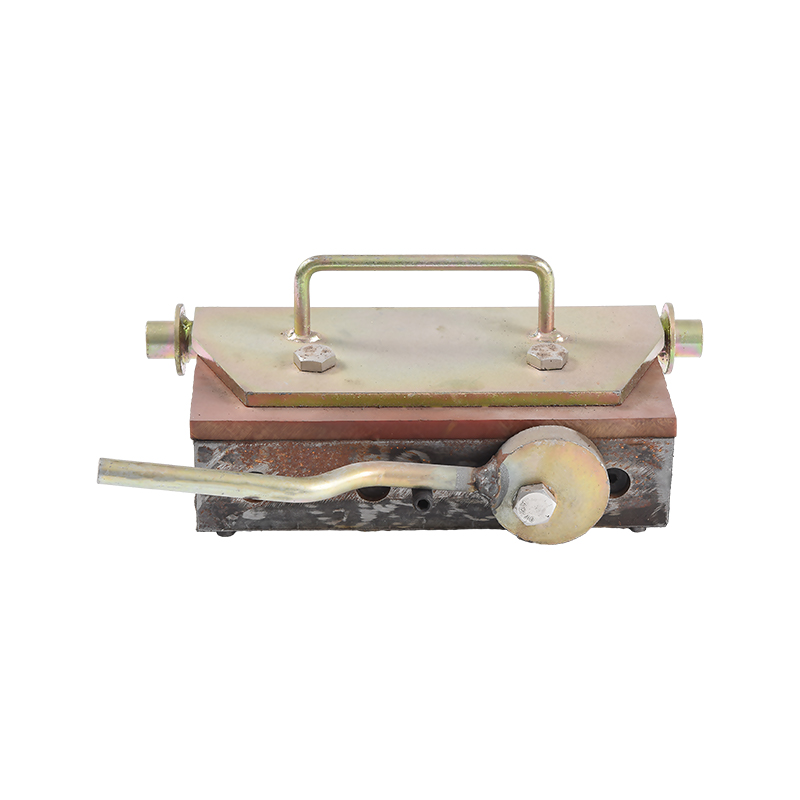
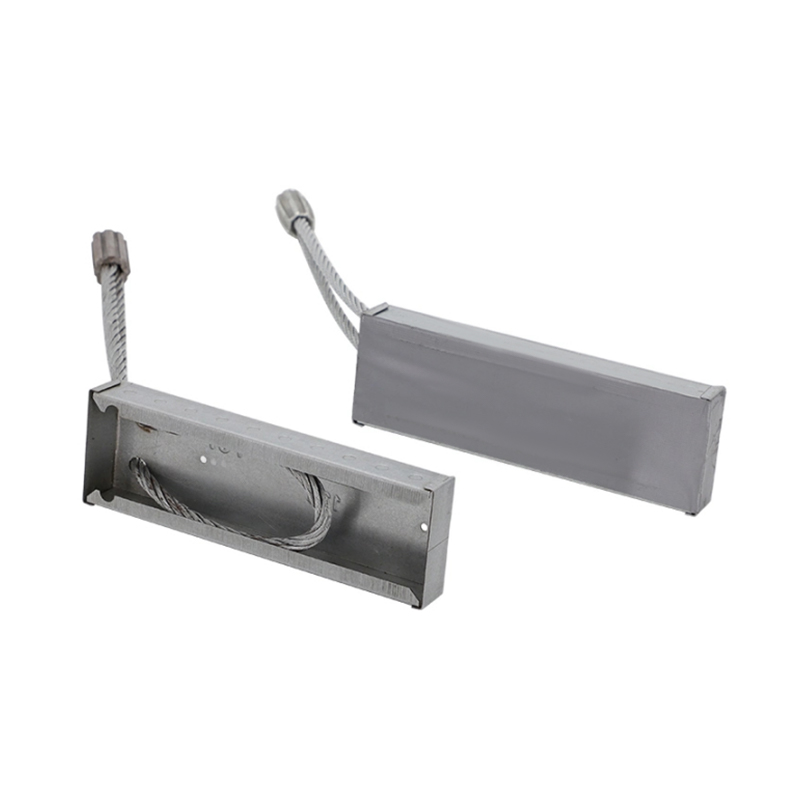
- Magnet-assisted formwork assembly. Shuttering magnets are placed along the outer rail, and insert magnets are set where embedded parts must be positioned. The operator clamps the side form by activating the lever on each
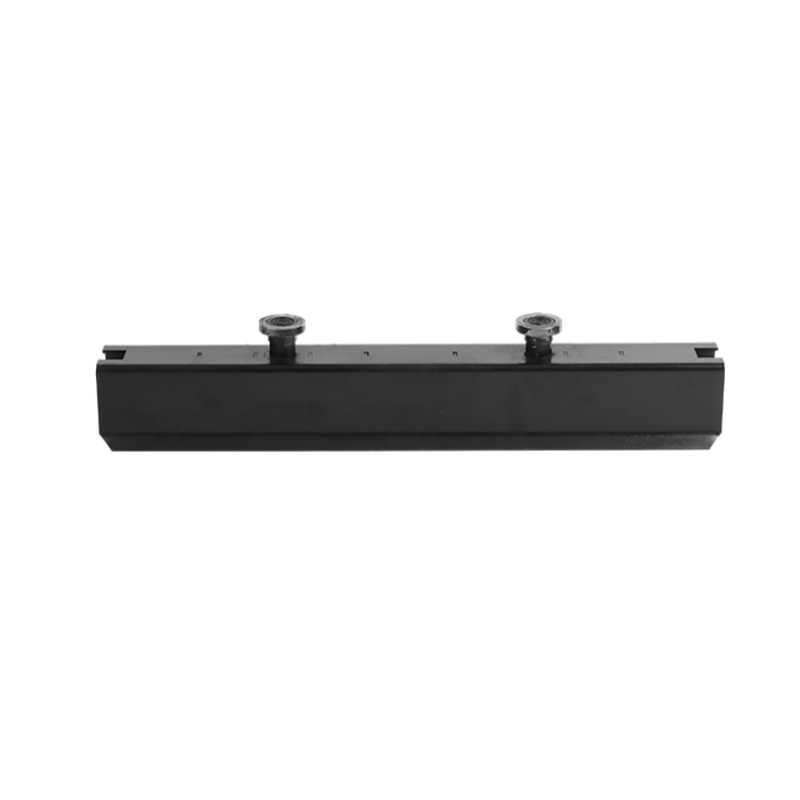
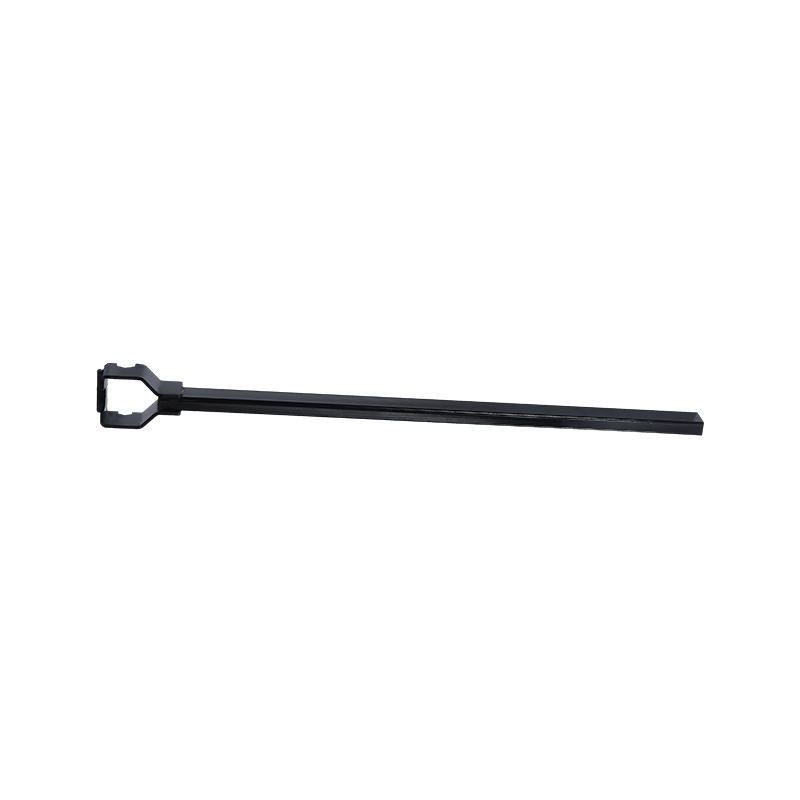 Shuttering Magnet Box Lever for Precise Mold AdjustmentThis magnetic box lever attaches firmly to steel templates and uses a lever mechanism for controlled positioning. It suits precast molds where operators need stable, adjustable platforms for accurate measurements, reducing effort during setup.View Product → unit.
 - Placement of reinforcement and inserts. The cage is lowered into the mold, then any dowels, lifting sockets, or pipe sleeves are positioned with insert magnets. Misalignment here leads to rework later, because it cannot be fixed after concrete hardens.
- Concrete placement and vibration. A high-slump mix is poured and vibrated into the mold. The magnet boxes must hold the form despite the lateral pressure created at the base of a freshly poured column. A 1200 kg rated magnet on a clean steel rail can resist the side pressure of a 500 mm wide form filled to a height of roughly 1.5 meters without slide, provided the concrete does not accumulate on one side first.
- Curing. Steam curing or ambient curing takes the concrete to a target cube strength. The time to stripping depends on the mix. According to EN 13369, a common production benchmark is to reach 10 MPa before stripping, which normally takes 12 to 24 hours under steam curing and 2 to 3 days at ambient temperature.
- Stripping and lifting. The shuttering magnets are deactivated, the form is removed, and the element is lifted with an erection anchor or a two-hole anchor. The lifting anchor must only be loaded after the concrete has gained sufficient strength. In practice, most plants wait until the cube strength reaches about 15 MPa before the first lift.
- Storage and dispatch. Stripped elements are moved to a stockyard with a crane, placed on timber supports, and left to continue curing in air. The anchor bolt is often reused after the element is settled in the yard, if it is a type pressed temporarily into the concrete surface.
| Stage | Typical duration | Magnetic component involved | Measured effect |
|---|---|---|---|
| Formwork assembly | 30 to 60 minutes per mold | Shuttering magnet with lever | Up to 40% less time than bolting |
| Insert positioning | 5 to 10 minutes per element | Insert magnet | Keeps embedded parts within 1 mm of datum |
| Casting and vibration | 30 to 90 minutes per batch | Magnetic rail clamp | Resists lateral pressure up to 2100 kg |
| Stripping | 15 to 30 minutes per mold | Quick-release lever system | Removes the need for pry bars and hammers |
| First lifting | 2 to 5 minutes per element | Erection anchor or two-hole anchor | Distributes lifting load evenly |
How to choose the right shuttering magnet for your precast molds
The first thing to understand is that rated magnetic force does not equal holding force on an actual mold. A 900 kg rated shuttering magnet holds a 900 kg load only under ideal conditions, with a clean ground steel rail, full surface contact, and no gap from a rough table. Production surfaces in a real precast plant are rarely perfect. Concrete dust, epoxy residue, and minor rust create air gaps that reduce the effective clamp force by 10 to 20 percent. A practical selection rule is to multiply the expected concrete side pressure by a safety factor of at least 2.5.
The load that a shuttering magnet must hold
When concrete is cast, the side form carries a triangular pressure distribution. At the bottom of the mold, the pressure is equal to the density of the fresh concrete times the height of the column. For a column 1.5 meters high, that pressure reaches approximately 36 kN per square meter, based on a fresh concrete density of 2400 kg/m³. If the side form has a length of 2.0 meters, the total load at the base is roughly 72 kN across the bottom edge, which means it needs a magnetic clamp rated for at least 1200 kg per meter of form length. This is why most precast plants use magnets in the 1200 kg to 2100 kg class for large panel molds.
| Form height | Approximate lateral pressure | Recommended magnet class | Spacing between magnets |
|---|---|---|---|
| 0.6 m | 14 kN/m² | 800 to 1000 kg | 800 to 1000 mm |
| 1.2 m | 29 kN/m² | 1200 kg | 500 to 650 mm |
| 1.8 m | 43 kN/m² | 1600 to 2100 kg | 350 to 500 mm |
The lever design matters more than the magnet size
A lever-operated shuttering magnetic box lever lets one operator engage or release a magnet in less than one second. The lever moves an internal cam that either connects the magnet surface to the steel rail or lifts the magnet away by a few millimeters. Without that quick release, an operator would need to slide a pry bar under the magnet, which is slow and risks damaging the mold. Using a lever mechanism also lets you place magnets on both sides of a formwork rail symmetrically, which keeps the deformation of the steel rail below 0.5 mm under full casting pressure.
A common mistake is to leave the lever half-engaged. A magnet that is not fully engaged has only about 60 percent of its rated force. The operator should push the lever until it clicks against the stop, and the click is the signal that the cam is locked. Some plants also paint the lever handle in a bright color so a supervisor can check engagement status from across the floor.
A high-quality lever mechanism with a hardened cam can withstand over one million switching cycles in laboratory tests, but in a real precast plant the cam sees dust, vibration, and occasional hammer blows. Buying a shuttering magnet from a supplier that machines the cam from hardened tool steel is the difference between a tool that lasts three years and one that fails at the worst possible moment. A manufacturer who controls the entire production chain, such as Ningbo Wewin Magnet Co., Ltd., will typically offer different lever geometries for different force classes, because a 600 kg lever does not require the same cam thickness as a 2100 kg unit.
Insert magnets and the precision of embedded parts
Insert magnets solve a problem that cannot be solved with formwork alone: keeping a socket, dowel, or lifting insert in exactly the right position while the concrete flows around it. A typical precast wall panel might carry a lifting socket, four connection dowels, and a pipe sleeve. If any of those moves even 3 mm from the datum, the element cannot be installed on site without grinding or replacing the connector.
An insert magnet rated at 200 to 400 kg is usually enough to hold a small threaded socket or a plastic spreader. The insert magnet sits inside a sleeve, and the embedded part is screwed onto the magnet. Once the concrete hardens, the operator releases the magnet from the mold and unscrews the part, leaving a clean threaded insert embedded in the element.
The selection of an insert magnet depends heavily on the thickness of the mold face. On a steel mold with a face plate thicker than 8 mm, the magnetic flux already has difficulty reaching the part. On a 10 mm steel face, an insert magnet needs roughly 30 percent higher rated force than on a 6 mm face to achieve the same holding effect. This is why a pre-sale consultation about the actual mold construction is vital. The website of Ningbo Wewin Magnet Co., Ltd. lists various insert magnet sizes, but the operator should still confirm the mold plate thickness and the magnetic path before ordering.
If your mold uses a composite or aluminum surface, the magnetic flux is reduced dramatically. A standard insert magnet that holds well on steel will barely hold a dowel on a 5 mm aluminum plate. In that scenario, a high-permeability adapter plate is needed to redirect the flux, or the insert magnet must be selected from a stronger series. The trade-off is cost and magnet size; a 400 kg insert magnet in a steel mold is roughly 60 mm in diameter, while a 400 kg insert magnet designed for an aluminum-faced mold could be 20 percent larger.
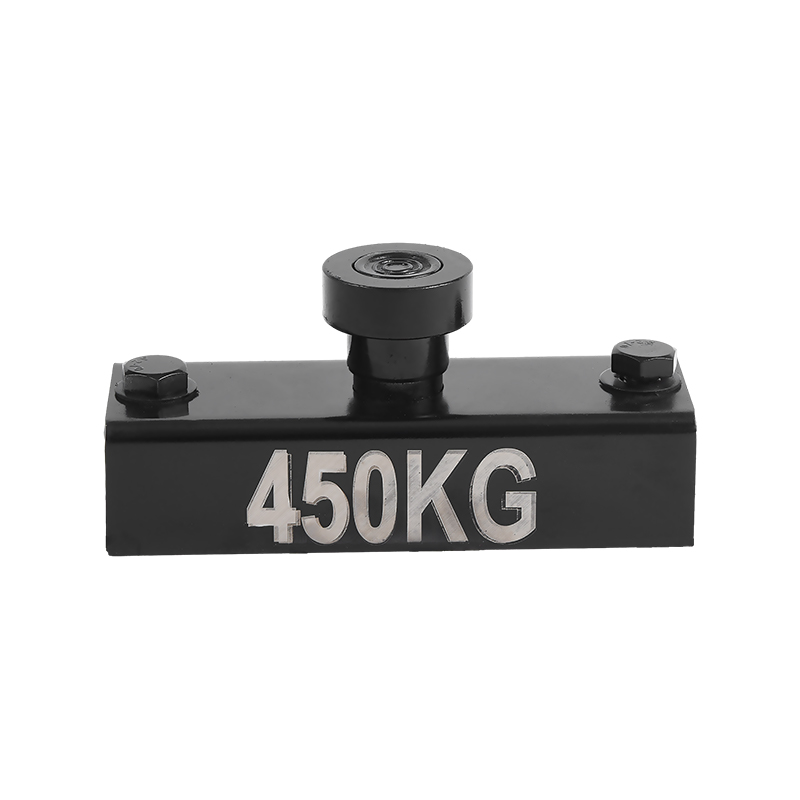
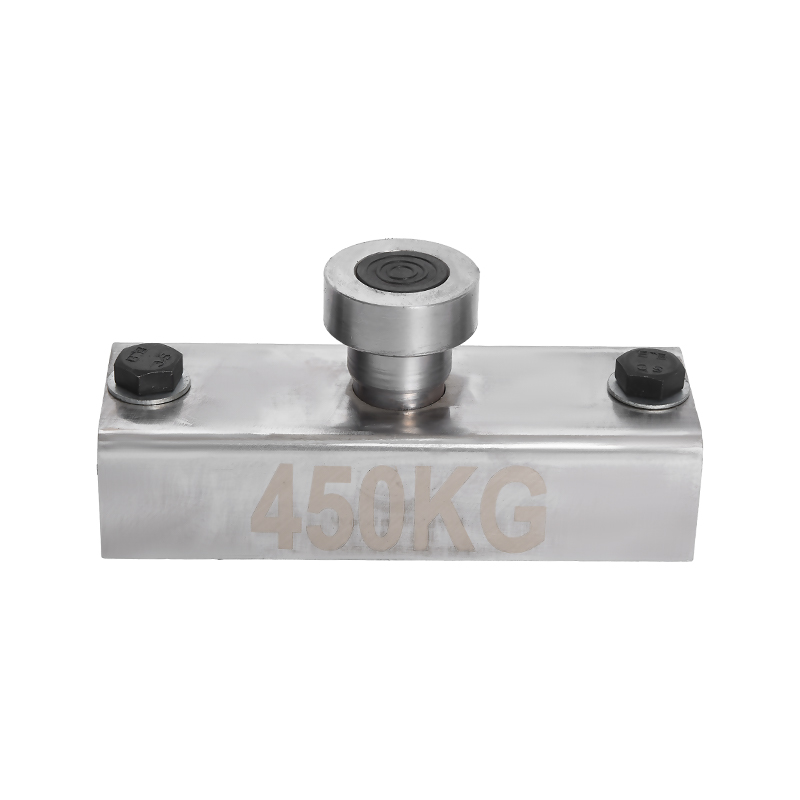
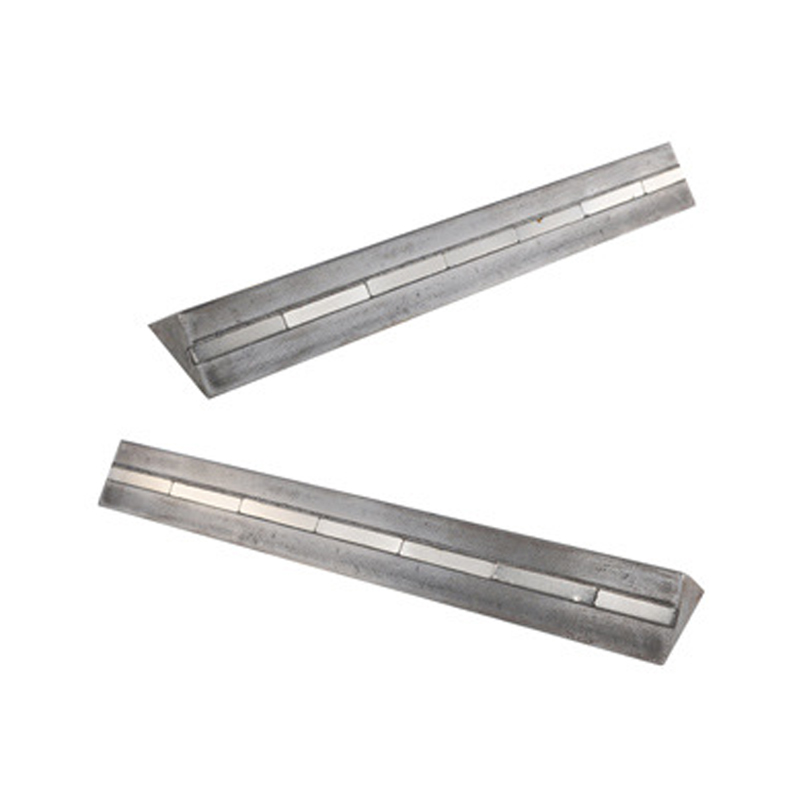
 Insert Magnets for Securing Concrete Inserts in MoldsThese magnets fix inserts in precast molds by magnetic force, simplifying production tasks. They are especially useful for steel tables or formwork systems, allowing easy positioning and release from outside the mold to improve workflow efficiency.View Product →
Using insert magnets also improves the working conditions behind the mold. Because the magnets are released from the outside face, the operator does not have to reach inside the mold to correct a drifted dowel before casting. The risk of damaging the formwork with a hammer is also lower, because the operator can simply rotate the insert magnet core to release the embedded part. In a production environment with a 12 hour shift, that small time saving adds up, and in many plants the total time spent fixing misplaced inserts drops by more than half when insert magnets are introduced.
Erection anchors and two-hole anchors in the lifting stage
When the concrete reaches stripping strength, the element is lifted by an anchor that is cast into the element or attached to its surface. The most common anchor for precast panels is the erection anchor, which presses into the fresh concrete and holds via its designed geometry. The two-hole anchor offers two lifting points in one unit, which is useful for long elements where the center of gravity is variable.
The load capacity of a lifting anchor is not only a function of the anchor itself, but also of the concrete strength at the moment of first lift. An M20 erection anchor made from 8.8 grade steel can usually lift a load of 5.0 tonnes when the concrete cube strength is 15 MPa. If the plant decides to strip early at 10 MPa, the same anchor might be rated for only 3.2 tonnes. This is why the casting schedule and the stripping schedule must be linked to the anchor load chart, not decided separately.
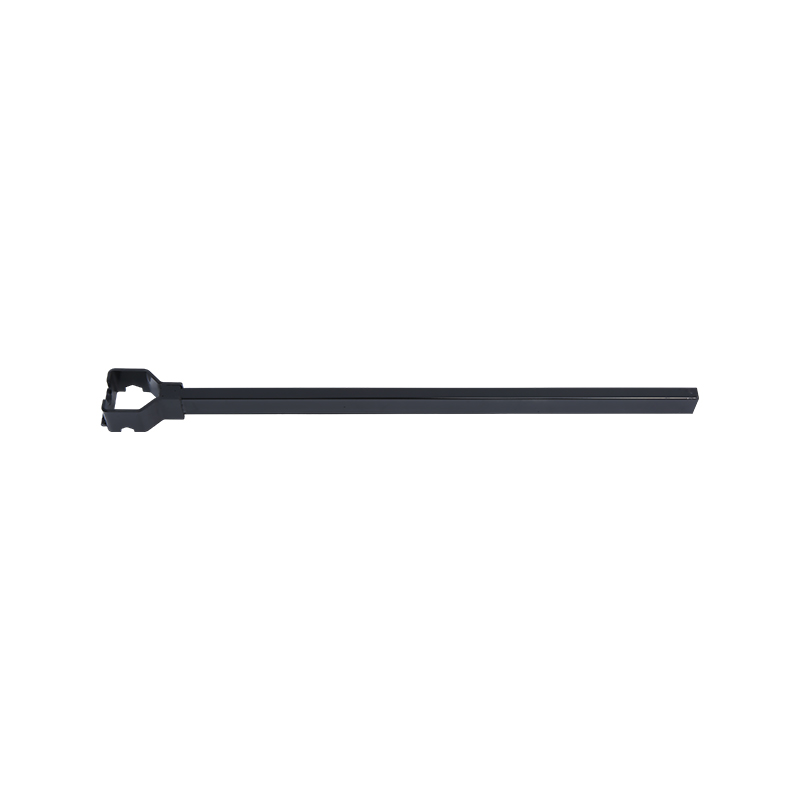
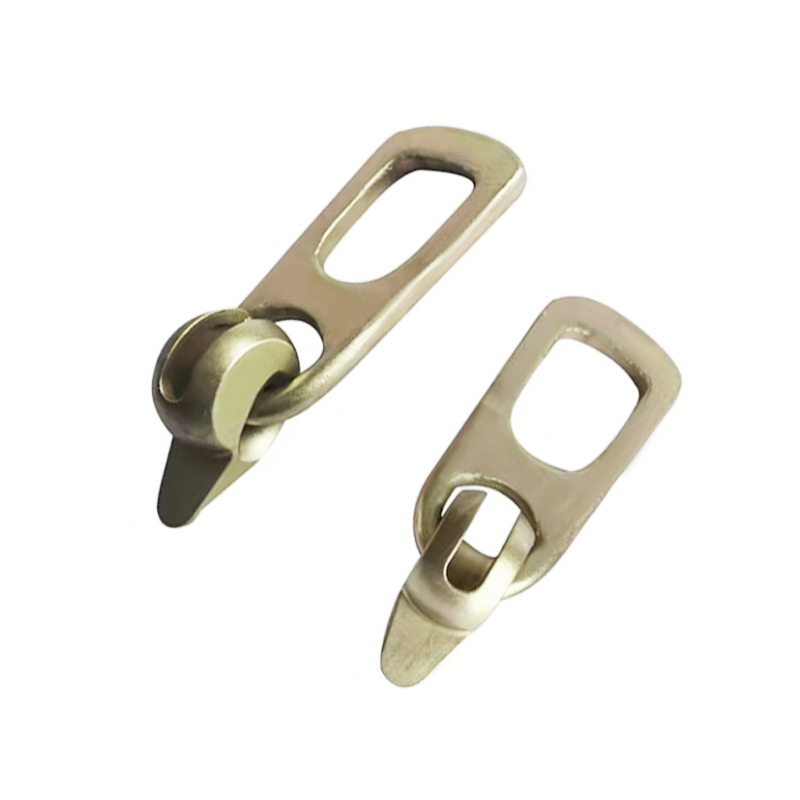
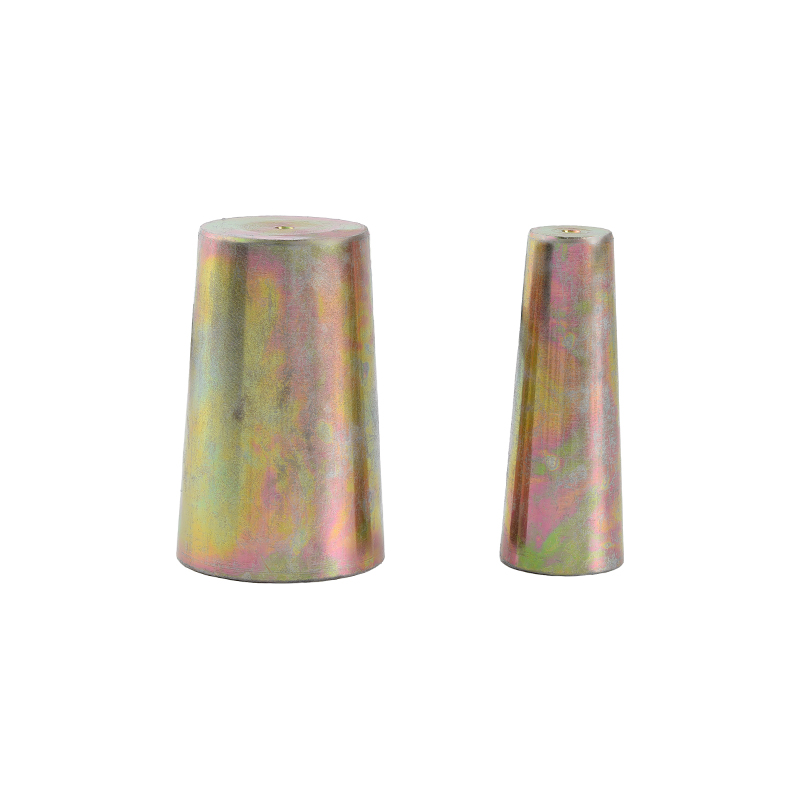
The geometry of the anchor also matters for the concrete surface. A broad anchor base spreads the lifting force over a larger area, reducing the risk of hairline cracks around the lifting point. For a panel that will be visible in the finished building, the anchor is often placed in a recessed pocket so the surface remains clean after the anchor is removed. This is where a 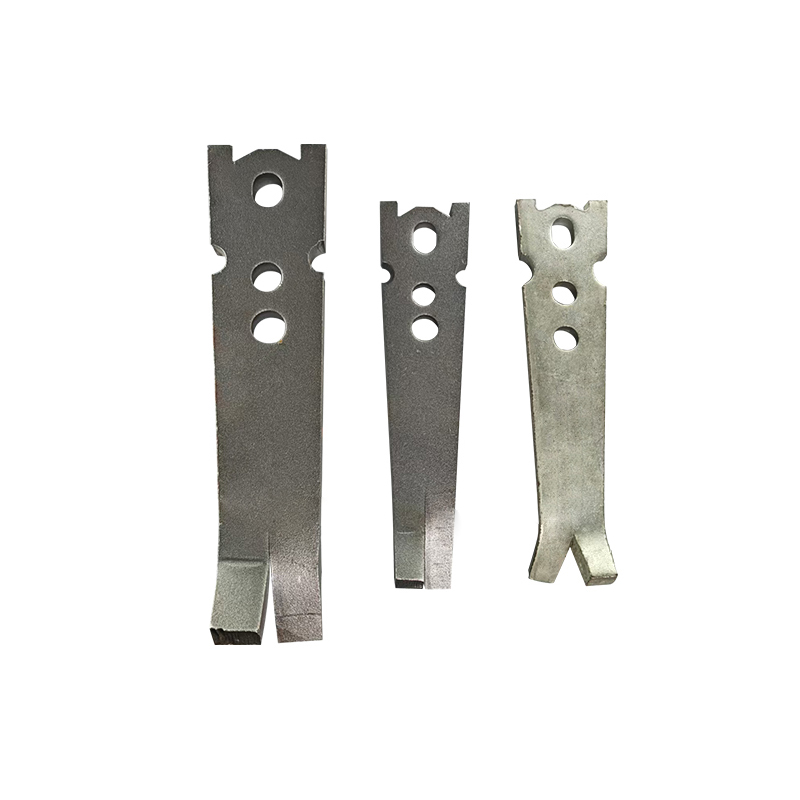 Erection Anchor for Safe Lifting of Precast ElementsThis anchor is engineered for lifting and securing precast concrete components during transport and installation. Its durable, corrosion-resistant design supports heavy loads, making it essential for handling beams, walls, and panels in construction.View Product → that is cast into a plastic pocket can make the stripping operation cleaner, as the anchor head is easily removed without damaging the concrete edge.
In precast plants with high production volume, the lifting anchors are selected in pairs so that every element is lifted at a predictable center of gravity. The two-hole anchor is particularly useful for columns and beams with a length of over 6 meters, because it allows the lifting hook to be adjusted slightly along the element without moving the cast-in anchor. Plant managers often keep a lifting anchor chart at the stripping station to verify the load at every anchor point before the crane takes the load.
Maintenance and reusability of magnetic formwork tools
A shuttering magnet is not a disposable tool. It is a controlled investment that should be maintained as carefully as a hydraulic press or a crane. In clean conditions, with a smooth steel mold surface and careful handling, a well-made shuttering magnet can be reused for 2000 to 5000 cycles before the internal magnetic assembly shows measurable degradation. When the magnet is frequently used on a damaged mold face, the outer casing may crack earlier, but the core magnet material itself remains stable.
The most common maintenance issue is concrete build-up on the magnet base. A thin film of hardened cement on the contact face creates a gap, and that gap reduces the magnetic circuit efficiency significantly. A 0.5 mm gap can reduce the holding force of a 1200 kg magnet to approximately 850 kg, which is a 30 percent loss. That explains why many precast plants clean the magnet base with a hand brush or a soft rubber mallet after every third casting cycle, not once a week. Using a scraper with a sharp metal edge is not recommended, because it scratches the magnet base and causes even more dust to weld onto the scratched surface.
The lever system also needs attention. If the cam and slot are not lubricated periodically, the operating force required to switch the magnet increases. An operator who has to force the lever will often slam it with a hammer, which eventually damages the cam and cracks the housing. A silicone-based lubricant applied to the cam slot every 200 cycles is enough to keep the switching force under 100 N, which a typical worker can do without fatigue.
The reusability of shuttering magnets is directly tied to the total cost per produced element. A magnet that costs 120 USD and lasts 3000 cycles contributes only 0.04 USD per element to the total production cost. Even if it takes 10 minutes per day to maintain it, the payback is immediate when compared to the hidden cost of mold downtime. That is why the reusability benefit is a chain that starts at the supplier and ends on the production floor.
Temperature exposure is another factor that is often underestimated. Neodymium magnets begin to lose magnetic strength permanently when they are heated above their maximum operating temperature. The standard N35 magnet works up to 80 degrees Celsius, while the higher-temperature N35SH grade can tolerate up to 150 degrees Celsius. In routine precast production, the mold surface rarely exceeds 60 degrees Celsius, even during steam curing. But if a magnet is left on a rail while a hot steam pipe runs across it, that can raise the surface temperature above the limit. Some plants store the magnets on a separate rack rather than leaving them on the molding table, specifically to avoid accidental heating.
Procurement checklist for precast magnetic tooling
The lowest price offer on a magnetic tool is almost never the best deal over a three-year period. A cheap magnet with a weaker magnetic grade may hold a form for a month, but after three months the holding force can drop below the critical threshold. To avoid that risk, a production manager should ask for the following information before approving a purchase order.
- Magnet material grade. For shuttering magnets, the minimum grade should be N35 or N35H. A supplier should state the specific material grade in the quotation. If the supplier cannot differentiate between ferrite and neodymium, that is a clear warning sign.
- Rated holding force and tolerance. The rated force should be accompanied by a measurable tolerance, normally ±5 percent in the magnetic circuit. If the supplier claims a certain force but has no test method behind it, ask for the test curve for the specific batch.
- Coating and surface protection. The magnet base should be either plated (nickel or zinc) or coated with a protective epoxy. Concrete is alkaline and can attack a raw magnet surface; even a few hours in direct contact with fresh concrete can cause surface corrosion that permanently reduces the contact area.
- Lever life and switch force. Ask the supplier for a switching force specification. A lever that requires more than 150 N to switch is difficult for a worker to use safely. The wear behavior of the cam is also a quality signal, because a machine-ground cam lasts longer than a cast insert.
- Batch traceability. Every magnetic box should carry a batch number on the housing. If a batch of magnets arrives with a magnetic strength that is outside tolerance, you need to be able to identify it quickly and not mix it with a good batch.
A supplier that makes the magnet housing and performs the magnetic assembly in-house is generally preferred over a supplier that only resells imported magnet boxes. When the manufacturer controls the full process from raw magnet material to final press-fit assembly, it is much easier to solve a tolerance issue or a cam failure without a long international return. Ningbo Wewin Magnet Co., Ltd. follows this approach by manufacturing and testing magnetic equipment in Ningbo, which gives the customer a single contact point for both technical support and goods delivery.
One more procurement point is the cost of spare parts. A shuttering magnet is not a throwaway item, and key components like the lever, the spring, and the housing plug should be available as spare parts. If a supplier offers magnets without any spare-part availability, the magnet is essentially a disposable item. In a high-throughput precast plant, the ability to replace one lever on site instead of sending a whole magnet back for repair can reduce downtime by hours.
Frequently asked questions
What are the main stages of the precast concrete production process?
The main stages are reinforcement cage preparation, mold surface preparation, formwork assembly with shuttering magnets, insertion of embedded parts with insert magnets, concrete placement and vibration, curing, stripping, lifting, and storage. Each stage is linked to the next, and the magnetic tooling used during the formwork stage determines the dimensional accuracy of the concrete element.
Can shuttering magnets be reused for a long time?
Yes. In a clean production environment, a properly maintained shuttering magnet can be reused for 2000 to 5000 cycles. The magnet material itself is stable, and the main source of performance loss is a buildup of concrete on the contact surface, which creates a gap. Cleaning the magnet base regularly and avoiding high temperature exposure helps maintain the rated holding force.
Which shuttering magnet capacity do I need for a 1.5 meter high form?
A form height of 1.5 meters generates a lateral pressure of roughly 36 kN per square meter at the bottom. If the form length is 2 meters, the total load at the bottom is about 72 kN. In practice, this means you need magnets with a total holding force of at least 1200 kg per meter of form length. Most precast plants use 1200 kg or 2100 kg magnets for such forms.
What is the difference between an erection anchor and a two-hole anchor?
An erection anchor is made for a single lifting point and is used when the center of gravity of the element is known. A two-hole anchor has two lifting points, which makes it suitable for longer elements where the crane hook position needs to be adjusted. Both anchor types are produced in the lifting system for precast concrete, and the capacity depends on the concrete strength at the time of lifting.
Does an insert magnet stay attached to the concrete after stripping?
No. An insert magnet is designed to be released from the mold after the concrete has hardened. The operator unlocks the magnetic core from the outside, which leaves the embedded part inside the concrete. The magnet itself is then ready for the next element. This design avoids drilling, unscrewing, or damaging the concrete surface.
How do I maintain my shuttering magnet lever?
Apply a silicone-based lubricant to the cam slot every 200 cycles. This keeps the switching force below 100 N and avoids the need for a hammer. Also inspect the lever spring for corrosion. If the spring is weak, the magnet may come off its stop prematurely, which reduces the holding force.
Is an aluminum mold weak for magnetic formwork?
An aluminum mold is much more difficult for a magnet to clamp onto, because aluminum has a low magnetic permeability compared with steel. The magnetic flux cannot return through the mold face as efficiently, so the effective holding force drops significantly. If you use an aluminum mold, you should select insert magnets and shuttering magnets from a higher-force series, or place a steel adapter plate under the magnet.
How does magnet force affect the quality of the final precast element?
A magnet that is too weak allows the side form to deflect during vibration, which leads to waviness across the panel face. A magnet that is too strong can make stripping difficult and may damage the concrete edge when a lever is forced open. The correct magnet force keeps the form stable while remaining easy to release. A practical reference is to keep lateral deflection of the form below 0.5 mm during vibration.
What is the typical lifespan of a shuttering magnet housing?
The housing itself can last the full service life of the magnet if it is not subjected to direct hammer blows. The external surface is usually powder-coated to resist moisture and corrosion. In a well-run precast plant, a shuttering magnet receives a new coating or a replacement lever every 1 to 3 years depending on the number of cycles, while the magnetic core remains intact for much longer.