English
 Español
 русский
 日本語
日本語
 عربى
عربى

Content
- 1 What Makes Hollow Core Slabs Different From Solid Precast Panels
- 2 Manufacturing Process From Casting Bed To Finished Panel
- 3 Span And Load Capacity Reference Data
- 4 Installation Sequence On Site
- 5 Precast Concrete Accessories Used With Hollow Core Systems
- 6 Cost Considerations And Project Economics
- 7 Common Applications Across Building Types
- 8 Fire Resistance And Thermal Performance
- 9 Quality Checks Before Accepting Delivered Panels
PRECAST CONCRETE GUIDE
Hollow core precast concrete slabs are factory-cast floor and roof panels with continuous longitudinal voids running through their depth, typically reducing panel weight by 30 to 50 percent compared to solid slabs of the same thickness while maintaining comparable bending strength. These panels are prestressed with high-tensile steel strands during manufacturing, cured under controlled conditions, and shipped ready to install, allowing structures to achieve clear spans of 6 to 18 meters without intermediate supports. For builders evaluating flooring systems for warehouses, parking structures, residential towers, or commercial buildings, hollow core slabs deliver a combination of speed, structural efficiency, and cost control that cast-in-place concrete rarely matches.
What Makes Hollow Core Slabs Different From Solid Precast Panels
The defining feature of a hollow core slab is the series of circular, oval, or teardrop-shaped voids that extend the full length of the panel. These cores are formed during extrusion or slip-form casting using hollow-core formers that are withdrawn as the concrete sets, leaving behind continuous channels. A standard 200mm thick hollow core panel might contain five to seven cores, each roughly 150mm in diameter, removing a significant volume of concrete that would otherwise add dead weight without contributing meaningfully to bending capacity.
Because the cores are positioned in the neutral axis region of the panel where concrete contributes least to flexural resistance, removing this material has minimal impact on structural performance. The prestressing strands, usually seven-wire strand of 9.5mm to 15.2mm diameter, are placed in the bottom flanges where tension forces are highest during service loading. This combination of voided cross-section and strategically placed prestressing steel is what allows hollow core slabs to span long distances while using less material than an equivalent solid slab.
| Slab Thickness | Hollow Core Weight | Solid Slab Weight | Weight Reduction |
|---|---|---|---|
| 150mm | 220 kg/m² | 360 kg/m² | 39 percent |
| 200mm | 280 kg/m² | 480 kg/m² | 42 percent |
| 300mm | 380 kg/m² | 720 kg/m² | 47 percent |
| 400mm | 490 kg/m² | 960 kg/m² | 49 percent |
Manufacturing Process From Casting Bed To Finished Panel
Hollow core slabs are produced on long casting beds, often 100 to 150 meters in length, using either dry-cast extrusion or wet-cast slip-forming methods. In extrusion, a machine moves along the bed depositing very low-slump concrete around the core-forming tubes while compacting it through vibration and auger action. Slip-forming uses a slightly wetter mix and inflatable or rigid cores that are extracted as the machine advances. Both methods produce continuous panels that are later cut to the required lengths using diamond saws once the concrete reaches sufficient strength.
Prestressing And Tensioning Sequence
Before concrete placement, prestressing strands are threaded along the full length of the casting bed and tensioned using hydraulic jacks to forces typically ranging between 100 and 200 kilonewtons per strand depending on strand size and design requirements. The strands remain under tension while concrete is cast and cured. Once the concrete achieves a release strength of approximately 28 to 35 MPa, usually within 12 to 18 hours when steam curing is used, the strands are cut or released. This transfers the tensioning force into the concrete, creating an internal compressive stress that counteracts tensile stresses generated by service loads.
Curing And Cutting Operations
Steam curing chambers or heated covers accelerate strength gain so casting beds can be reused on a daily cycle. After strand release, panels are cut to specified lengths and widths, with notches, holes, and chamfers added at this stage either by saw cutting or by inserting blockouts before casting. Quality control checks at this point include camber measurement, surface finish inspection, and dimensional verification against the project drawings before panels move to the storage yard for loading.
Span And Load Capacity Reference Data
Span capability is the single most important selection factor for hollow core slabs, and it depends on slab depth, strand pattern, concrete strength, and applied loading. The following figures represent commonly published capacities for standard hollow core sections used in floor applications with superimposed loads in the range typical for office and residential occupancy.
| Slab Depth | Number of Strands | Maximum Span | Typical Use |
|---|---|---|---|
| 150mm | 4 strands | 6.5 m | Residential floors |
| 200mm | 6 strands | 8.8 m | Office floors |
| 250mm | 8 strands | 11.2 m | Retail and parking decks |
| 320mm | 10 strands | 14.6 m | Long-span warehouse roofs |
| 400mm | 12 strands | 18.0 m | Industrial structures |
These figures should be treated as starting reference points, since actual span ratings depend on the manufacturer's specific section geometry, the concrete compressive strength used (commonly 40 to 50 MPa for hollow core production), and the deflection limits required for the application. Many manufacturers publish detailed load-span tables that account for both superimposed dead load and live load combinations separately, and structural designers typically verify deflection under serviceability conditions in addition to checking ultimate moment capacity.
Installation Sequence On Site
Hollow core panels arrive on site already cured and ready for placement, which is one of the primary reasons projects choose this system over cast-in-place alternatives. A typical erection crew can place between 300 and 500 square meters of flooring per day depending on crane capacity, panel size, and site access conditions.
- Verify bearing surfaces are level and at the correct elevation, shimming as needed to maintain consistent panel bearing
- Lift panels using lifting loops or strand lifting devices cast into the panel ends, maintaining proper rigging angles
- Set panels onto bearing strips, typically neoprene or similar elastomeric pads, with consistent bearing length on each end
- Align panel edges and adjust spacing before grouting the longitudinal keyways between adjacent panels
- Place reinforcement in keyways where required and pour grout to bond adjacent panels into a continuous diaphragm
- Install a structural topping if specified, typically 50 to 75mm of reinforced concrete to level the surface and improve diaphragm action
- Complete connections at perimeter beams and shear walls according to the project's structural drawings
Bearing length is a critical detail that is often underestimated. Most codes require a minimum bearing length of 75mm for hollow core slabs on steel or concrete supports, though many designers specify 100mm or more for added safety margin and tolerance accommodation. Insufficient bearing can lead to localized cracking or spalling at the panel ends, particularly when panels experience camber growth or thermal movement after installation.
Precast Concrete Accessories Used With Hollow Core Systems
A hollow core floor system is rarely just slabs and grout. A complete installation depends on a range of precast concrete accessories that handle connections, weatherproofing, support, and finishing details. Selecting the right accessories has a direct impact on both the speed of installation and the long-term performance of the floor or roof assembly.
Bearing Pads And Support Strips
Bearing pads sit between the underside of the hollow core slab and the supporting beam, wall, or ledge. These elastomeric strips, commonly made from neoprene, distribute the reaction load evenly and accommodate small rotations and movements without transferring point loads into the concrete. Standard thicknesses range from 3mm to 10mm, with hardness ratings selected based on the expected bearing stress.
Lifting And Erection Hardware
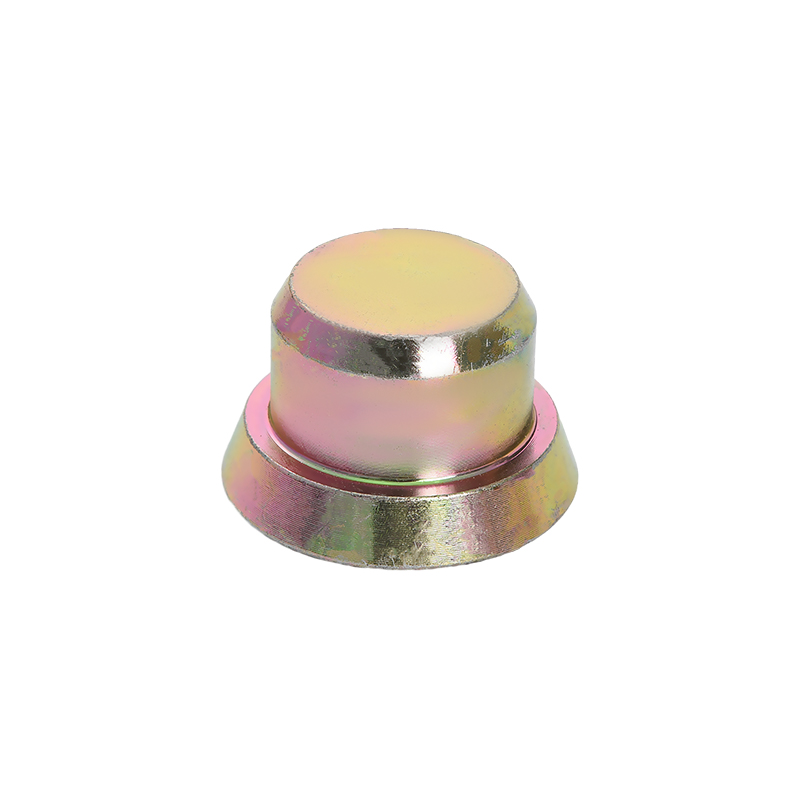
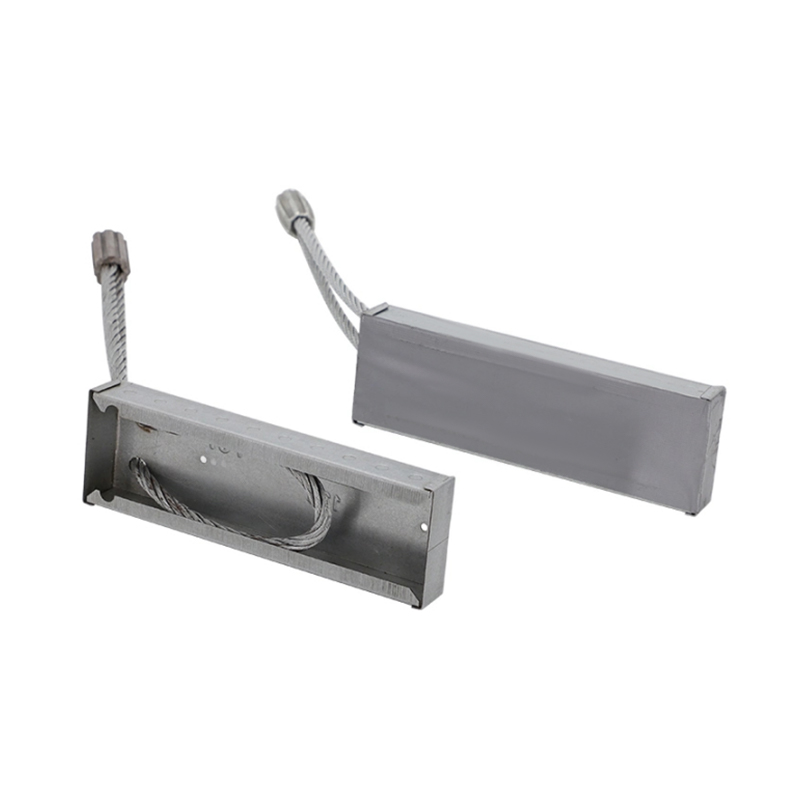
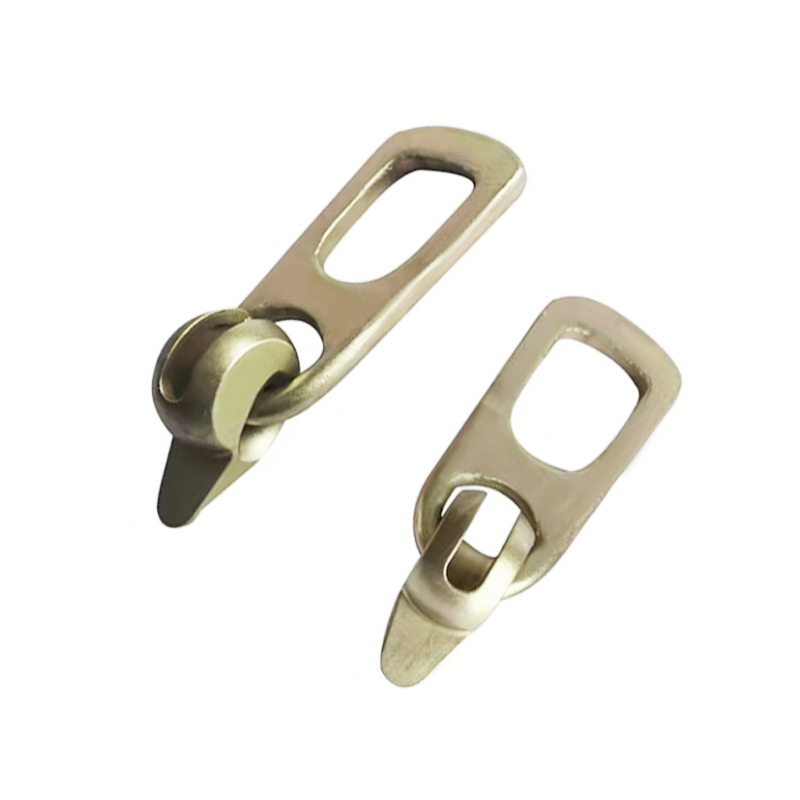
Lifting loops, strand lifters, and recessed lifting anchors are cast into panels during production to allow safe crane handling. After installation, recessed anchor pockets are typically filled with non-shrink grout to maintain a flush surface. Edge forms and end caps are also used during production to close off the hollow cores at panel ends, preventing concrete or grout intrusion into the voids during topping placement.
Joint Fillers And Grout Materials
Keyway grout, typically a non-shrink cementitious or polymer-modified mix, fills the longitudinal joints between panels and is essential for load distribution across adjacent units. Backer rods and sealants are used at perimeter joints and expansion joints to maintain weatherproofing while allowing for thermal movement. For roof applications, additional flashing accessories and drainage components are integrated at panel edges and penetrations.
| Accessory | Function | Typical Material |
|---|---|---|
| Bearing pads | Distribute reaction loads at supports | Neoprene elastomer |
| End caps | Seal hollow cores at panel ends | Plastic or precast concrete |
| Keyway grout | Bond adjacent panels for load transfer | Non-shrink cementitious mix |
| Lifting anchors | Enable crane handling during erection | High-strength steel |
| Joint sealant | Weatherproof perimeter and expansion joints | Polyurethane or silicone |
Cost Considerations And Project Economics
Hollow core slabs generally offer lower installed cost than cast-in-place concrete floors for spans beyond 6 meters, largely due to reduced formwork, shoring, and labor requirements on site. Material cost per square meter for hollow core panels is often 15 to 25 percent lower than an equivalent cast-in-place slab when accounting for the combined cost of concrete, formwork, reinforcement, and the extended construction schedule that cast-in-place systems require.
Transportation cost becomes a meaningful factor for hollow core slabs because of their length and weight, with most projects limiting economical haul distance to roughly 150 to 250 kilometers from the production plant before transport costs erode the material savings. Projects located near a precast plant benefit most from this system, while remote sites may need to weigh hollow core against locally available alternatives such as timber joists or steel decking with concrete topping.
Schedule Impact
Because hollow core panels arrive cured and ready to load, floors can often be walked on within hours of placement, allowing trades to begin work on the level below almost immediately. This compressed schedule is frequently cited as the primary driver for selecting hollow core over cast-in-place systems on multi-story buildings, where each floor cycle saved translates directly into reduced overall project duration and lower financing costs during construction.
Common Applications Across Building Types
Hollow core slabs are used across a wide range of building types because the system adapts well to repetitive floor plates and standardized bay sizes. The table below summarizes where this system is most frequently specified and why.
| Building Type | Common Slab Depth | Key Advantage |
|---|---|---|
| Residential apartments | 150-200mm | Acoustic mass and fast unit turnover |
| Office buildings | 200-250mm | Long clear spans for open floor plans |
| Parking structures | 250-320mm | Durability and minimal maintenance |
| Warehouses and logistics centers | 300-400mm | Wide bays for racking and equipment |
| Cold storage facilities | 250-320mm | Cores can be used for radiant heating or cooling lines |
One application worth highlighting is the use of the hollow cores themselves as service channels. In some projects, electrical conduits, low-voltage cabling, or even small piping for radiant systems are routed through the cores before grouting end joints, turning what would otherwise be wasted void space into usable building infrastructure. This approach requires careful coordination during the design phase since core access points must be planned before panels are cast.
Fire Resistance And Thermal Performance
Concrete's natural fire resistance is one of the inherent benefits of hollow core slabs, with typical 200mm panels achieving fire resistance ratings of 2 hours or more without additional fireproofing, depending on concrete cover to the prestressing strands and the specific testing standard applied. This makes hollow core systems particularly attractive for separating occupancies in mixed-use buildings or providing compartmentation in parking garages below occupied spaces.
Thermally, the hollow cores provide a degree of insulation compared to solid slabs of equal thickness, since trapped air within the voids has lower thermal conductivity than concrete. However, hollow core slabs alone rarely meet modern envelope insulation requirements for exterior roof or wall applications, so they are typically paired with rigid insulation boards, insulated toppings, or insulated panel systems when used at the building envelope rather than in interior floor applications.
Quality Checks Before Accepting Delivered Panels
Receiving inspections at the job site help catch issues before panels are installed, when corrections are far easier and less costly. Key items to verify on arrival include overall panel dimensions against the shop drawings, camber within allowable tolerance (commonly limited to around 1mm per meter of span for most applications), surface condition free of significant cracking or honeycombing, and confirmation that lifting points, blockouts, and embedded plates match the project requirements.
Camber And Differential Camber
Camber, the slight upward bow that results from prestressing, is normal and expected in hollow core panels. What matters more for installation is differential camber between adjacent panels, since large differences can create stepped surfaces that are difficult to level with topping alone. Manufacturers typically aim to keep differential camber between adjacent panels within 10 to 15mm for panels of similar length and loading history.
Documentation And Traceability
Each panel typically carries identification marks indicating its production date, mix design, and position in the building, which should match the erection drawings. Maintaining this traceability simplifies troubleshooting if any performance questions arise after installation and supports accurate as-built records for facility management.