English
 Español
 русский
 日本語
日本語
 عربى
عربى


Content
- 1 Which States Allow Magnet Fishing — The Short Answer
- 2 What Is Magnet Fishing and Why Do Laws Apply to It
- 3 The One State Where Magnet Fishing Is Explicitly Banned: South Carolina
- 4 States With Notable Restrictions or Permit Requirements
- 5 State-by-State Overview Table
- 6 Federal Laws That Apply to Magnet Fishing Everywhere in the U.S.
- 7 The Best States for Magnet Fishing Based on Accessibility and Finds
- 8 How to Find Legal Magnet Fishing Spots in Any State
- 9 Choosing the Right Fishing Magnet for Legal and Safe Recovery
- 10 What to Do When You Find Something Unusual or Potentially Illegal
- 11 Safety Practices Every Magnet Fisher Should Follow
- 12 The Future of Magnet Fishing Regulations in the United States
Which States Allow Magnet Fishing — The Short Answer
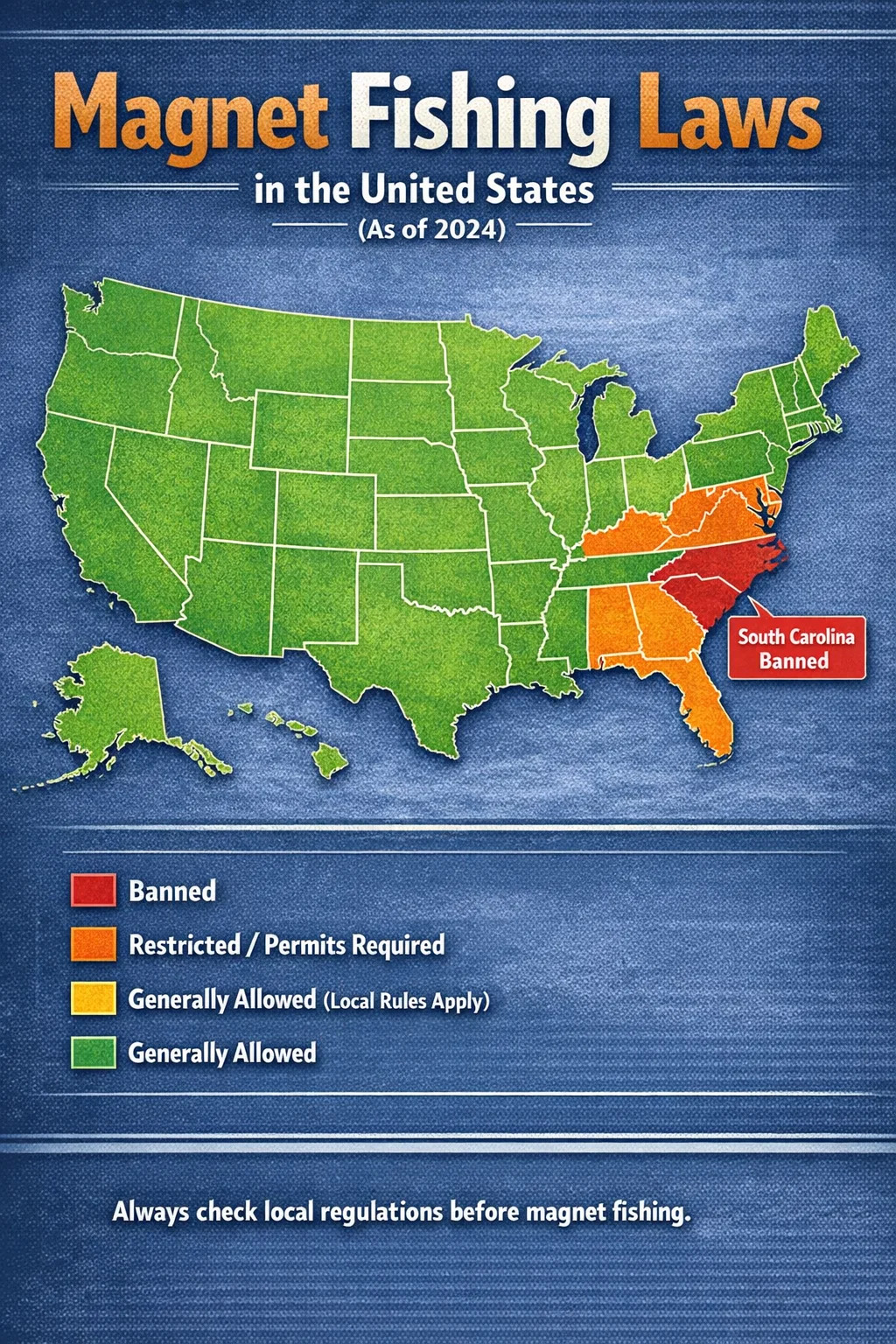
The majority of U.S. states currently allow magnet fishing with no specific state-level ban in place. As of 2024, only South Carolina has an explicit statewide ban on magnet fishing, making it the one clear outlier. However, "allowed by default" does not mean unrestricted. Dozens of states have waterway regulations, permit requirements, or local ordinances that directly affect where and how you can use a fishing magnet. Before you tie a neodymium magnet to a rope and drop it into a river, you need to understand not just state law but also county rules, land ownership, and the specific body of water you're targeting.
This guide breaks down the legal landscape state by state, explains what types of laws actually govern magnet fishing even when there's no explicit ban, and gives you the practical information you need to stay out of legal trouble while enjoying the hobby.
What Is Magnet Fishing and Why Do Laws Apply to It
Magnet fishing involves attaching a powerful neodymium magnet — typically rated between 500 and 3,000+ pounds of pulling force — to a length of rope and dragging it along the bottom of rivers, lakes, canals, and ponds to retrieve ferromagnetic metal objects. People find old tools, safes, knives, coins, bicycles, and sometimes firearms and historical artifacts. The hobby has grown significantly since around 2018, driven largely by YouTube channels documenting dramatic finds.
The reason laws come into play is straightforward: you are interacting with a body of water, potentially removing objects (including protected artifacts), trespassing on public or private land to access the water, and in some cases recovering items that are legally considered evidence, stolen property, or government-owned material. A firearm pulled from a canal is not legally yours to keep in most states — it must be reported to local law enforcement. The same applies to objects that may be cultural artifacts protected under the National Historic Preservation Act or the Archaeological Resources Protection Act.
Understanding why laws apply helps you interpret them correctly even when the statute doesn't specifically mention "magnet fishing" by name.
The One State Where Magnet Fishing Is Explicitly Banned: South Carolina
South Carolina stands alone as the only U.S. state with a direct, named prohibition on magnet fishing. The South Carolina Department of Natural Resources (SCDNR) prohibits magnet fishing in all state-managed waters. The regulation was put in place primarily due to concerns about the disturbance of underwater archaeological sites, particularly Civil War-era artifacts that are abundant in the state's rivers and coastal waterways. South Carolina has some of the richest underwater cultural heritage in the entire country, and state officials determined that the risk of unregulated artifact recovery was too high.
Violating South Carolina's magnet fishing ban can result in fines and potential criminal charges, especially if artifacts are involved. If you're visiting the state or are a resident, this is a hard line — there is no permit system that allows magnet fishing as a workaround.
States With Notable Restrictions or Permit Requirements
Even where magnet fishing is not outright banned, many states have regulations that restrict the activity in meaningful ways. The following states are known to have specific restrictions worth understanding before you head out with your fishing magnet:
Tennessee
Tennessee has regulations under the Tennessee Valley Authority (TVA) that govern activity in TVA-managed reservoirs and waterways. While magnet fishing is not banned outright, the removal of any archaeological or historical artifacts from TVA waters without authorization is illegal. The TVA manages a large portion of the state's water infrastructure, and its rules carry federal weight. Magnet fishers operating in TVA waters need to be especially cautious about what they do with their finds.
North Carolina
North Carolina has strong underwater archaeological protections through the Underwater Archaeology Branch of the Office of State Archaeology. The state claims ownership of all abandoned shipwrecks and submerged historic structures in state waters. While casual magnet fishing for modern debris is generally tolerated, removing artifacts without a permit is a Class 1 misdemeanor. The state is particularly vigilant about Civil War naval artifacts.
Virginia
Virginia has similar underwater archaeology protections and has made specific statements about magnet fishing near historically significant waterways such as the Appomattox and James Rivers. The Virginia Department of Historic Resources actively monitors magnet fishing activities in sensitive areas.
California
California does not ban magnet fishing statewide, but the California State Parks system prohibits it in state park waterways without specific permission. California also has strict environmental regulations under the California Environmental Quality Act (CEQA), and disturbing certain waterway beds can trigger regulatory scrutiny. Many popular canals and urban waterways are also managed by local municipalities with their own ordinances.
New York
New York state parks prohibit magnet fishing without a permit. The New York State Office of Parks, Recreation and Historic Preservation has specifically addressed magnet fishing and requires that participants obtain authorization before using a fishing magnet in state-managed waters. Violation of park rules can result in fines. Outside of state parks, activity on navigable waterways is generally permitted as long as you have legal access to the bank and don't remove protected items.
Texas
Texas is generally considered magnet fishing-friendly for open waterways, but the Texas Historical Commission (THC) has jurisdiction over submerged cultural resources. The THC requires permits for the recovery of artifacts from submerged land. Texas also has unique land and water ownership laws — in many cases, the bed of a navigable river is owned by the adjacent landowner, which can complicate access rights.
Florida
Florida has extensive underwater heritage protection laws. The Florida Division of Historical Resources oversees submerged cultural property, and the state has an active permitting system for recovery of artifacts. Magnet fishing in Florida waterways for general debris is tolerated, but any recovery of historical items without a permit is a third-degree felony under Florida Statutes Section 267.13. Given Florida's rich history of shipwrecks and Spanish colonial artifacts, this is taken seriously.
State-by-State Overview Table
The table below summarizes the general legal status of magnet fishing across U.S. states based on available information as of 2024. "Generally Allowed" means no explicit statewide ban, but local rules and artifact laws still apply everywhere.
| State | General Status | Key Restrictions |
|---|---|---|
| South Carolina | Banned | Explicit SCDNR statewide prohibition |
| Florida | Restricted | Artifact recovery without permit is a felony |
| New York | Permit Required (state parks) | State parks require authorization |
| North Carolina | Restricted | Artifact removal is a Class 1 misdemeanor |
| Virginia | Restricted | Historic waterway protections apply |
| Tennessee | Generally Allowed | TVA federal rules apply in TVA waters |
| Texas | Generally Allowed | THC permit required for artifact recovery |
| California | Generally Allowed | State parks ban it; local rules vary widely |
| Ohio | Generally Allowed | Artifact laws and access rules apply |
| Georgia | Generally Allowed | Historic preservation laws apply |
| Illinois | Generally Allowed | Report recovered firearms to police |
| Michigan | Generally Allowed | Great Lakes shipping debris rules may apply |
| Pennsylvania | Generally Allowed | State forest and park rules restrict access |
| Colorado | Generally Allowed | Stream access laws are complex in CO |
| Washington | Generally Allowed | Tribal water rights and state park rules |
Federal Laws That Apply to Magnet Fishing Everywhere in the U.S.
Regardless of what your state allows, federal law applies on top of it. Several federal statutes directly affect what you can legally do while magnet fishing:
Archaeological Resources Protection Act (ARPA)
ARPA makes it illegal to excavate, remove, damage, or otherwise alter any archaeological resource on federal land without a permit. This includes the beds of rivers and lakes that pass through or are adjacent to national parks, national forests, Bureau of Land Management (BLM) land, and other federal property. Penalties under ARPA include fines up to $20,000 and up to two years in prison for a first offense, and up to $100,000 and five years for subsequent offenses.
National Historic Preservation Act (NHPA)
The NHPA establishes protections for historic properties, including submerged sites. While it primarily governs federal agency actions, it creates the legal framework that state historic preservation programs operate under. The practical effect is that historic sites underwater — including shipwrecks, mill sites, and bridge foundations — may have layers of both federal and state protection.
Abandoned Shipwreck Act of 1987
This act transfers federal title to abandoned historic shipwrecks in state waters to the respective states. It means states own these wrecks — and any metal objects you pull from or near an abandoned shipwreck may legally belong to the state. This has direct relevance for magnet fishing in coastal states and states with navigable inland waterways that have historical shipping traffic.
Gun Laws and Recovered Firearms
One of the most common finds for magnet fishers is firearms. Federal law requires that any recovered firearm be reported to local law enforcement. Keeping a recovered firearm without reporting it can constitute illegal possession under both federal and state law, particularly if the weapon has had its serial number removed (a federal felony under 18 U.S.C. § 922(k)). You cannot simply clean up a gun you find and add it to your collection — the correct procedure is to contact your local police department and turn it in.
The Best States for Magnet Fishing Based on Accessibility and Finds
Legal permissiveness alone doesn't make a state great for magnet fishing. The ideal combination is permissive laws, abundant public water access, and waterways with historical or industrial activity that puts interesting metal objects on the bottom. Based on community reports and available public land data, these states consistently rank among the best for magnet fishing enthusiasts:
- Ohio — Dense canal system from the 19th century, many publicly accessible rivers, and a strong community of magnet fishers. The Ohio & Erie Canal towpath provides miles of accessible waterway edges.
- Pennsylvania — Rich industrial history along the Monongahela, Allegheny, and Susquehanna rivers. Old mill towns mean decades of metal in the water. Public access is generally good on navigable rivers.
- Illinois — The Illinois River and Chicago-area canals have produced significant finds. The state has no magnet fishing-specific prohibition, and the Chicago area's urban waterways are a magnet fisher's dream in terms of volume of recoverable metal.
- Georgia — No statewide ban, warm weather year-round, and rivers with Civil War history. The Chattahoochee River and numerous smaller rivers provide accessible spots.
- Michigan — Extensive freshwater coastline, abundant public land adjacent to water, and a Great Lakes shipping history that has put significant metal in the water over 200+ years.
- Texas — Warm climate, large rivers, and a general culture of outdoor activity. The THC permit requirement for artifacts is manageable for hobbyists who do their research.
- Indiana — No specific ban, numerous river access points, and underexplored waterways relative to neighboring states make Indiana an underrated option for magnet fishing.
How to Find Legal Magnet Fishing Spots in Any State
The process for finding legal spots is the same whether you're in a permissive state or one with tighter rules. It comes down to three factors: water access rights, land access rights, and the specific management authority of the waterway.
Step 1: Identify Who Manages the Waterway
Navigable waterways in the U.S. are generally open to the public for navigation and recreation, but the management authority — state parks department, Army Corps of Engineers, TVA, local municipality — determines what specific activities are allowed. Call or email the managing authority and ask directly about magnet fishing. Get any permission in writing if you can.
Step 2: Check for Public Access Points
Public boat launches, fishing access areas, and parks with water frontage are generally your safest bets for legal access. Google Maps satellite view combined with your state's DNR fishing access map will show you where legal public entry points are located. Crossing private property to reach a waterway is trespassing even if the water itself is public — this is a common mistake beginners make.
Step 3: Research the Historical Significance of the Area
Before you go, spend 20 minutes researching whether the waterway you're targeting has any known historical significance. Check the National Register of Historic Places (available online at nps.gov) and your state's historic preservation office. If the area has documented historical sites nearby, be extra cautious about what you do with anything you find.
Step 4: Know Your Local Ordinances
Cities and counties can prohibit magnet fishing in urban waterways, parks, and municipal water supplies even when the state has no ban. New Orleans, for example, has specific rules about activity in its drainage canals. Checking with your local parks and recreation department takes 10 minutes and can save you a fine.
Choosing the Right Fishing Magnet for Legal and Safe Recovery
A fishing magnet is not a one-size-fits-all tool. The right choice depends on what you're looking for, the depth and current of the water, and how you plan to handle your finds safely. Most serious hobbyists own multiple magnets for different situations.
Single-Sided vs. Double-Sided Fishing Magnets
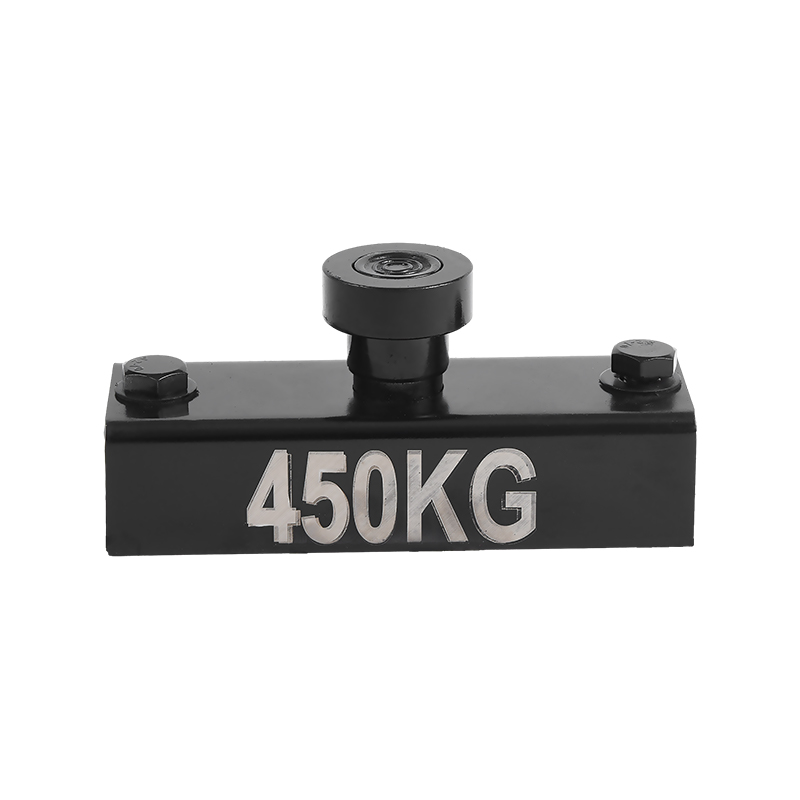
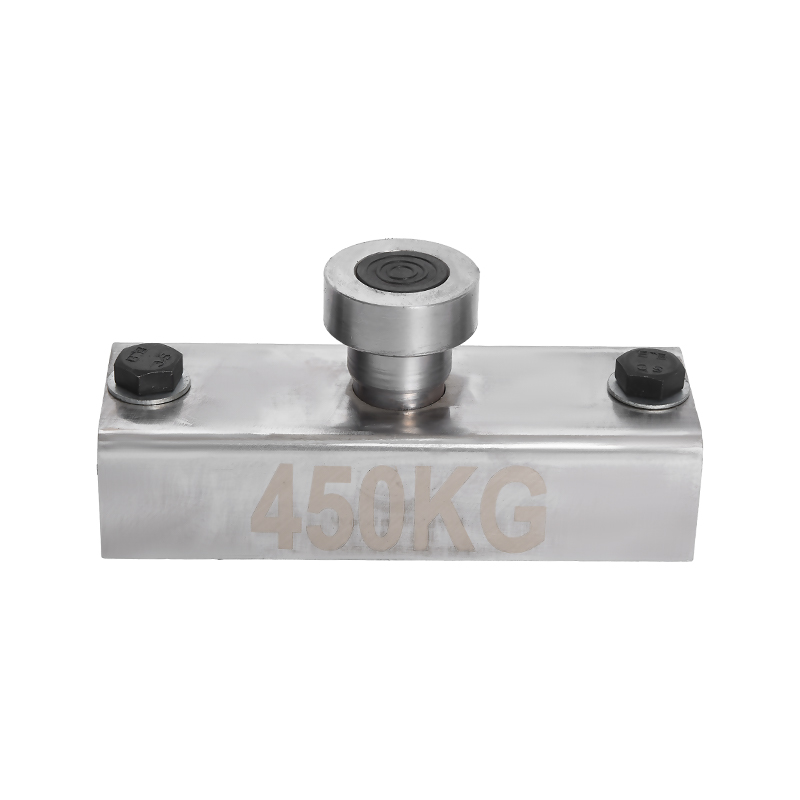
Single-sided fishing magnets concentrate all their pulling force on one face. They are ideal for vertical drops — lowering straight down from a bridge and pulling straight up. They typically offer the strongest focused pull for their size. A 600-pound single-sided neodymium magnet is a common entry point for beginners and handles the majority of typical finds.
Double-sided fishing magnets have magnetic faces on both sides, making them better for horizontal dragging along riverbeds. They sacrifice some focused pulling force compared to single-sided magnets of the same size but cover more surface area during a drag. Double-sided models in the 1,200 to 1,500-pound range are popular for canal fishing where you're dragging rather than dropping.
Fishing Magnet Pull Force: What the Numbers Actually Mean
Manufacturers rate magnets in terms of maximum pull force — the force required to separate the magnet from a flat, smooth steel plate under ideal laboratory conditions. Real-world performance is typically 30 to 50 percent of the stated rating due to angle, surface rust, sediment coating, and the irregular shapes of objects on the riverbed. A magnet rated at 1,000 pounds of pull force will practically recover objects in the 300 to 500-pound effective range in most waterway conditions.
For most hobbyist magnet fishing, a 500 to 800-pound single-sided or a 1,000 to 1,500-pound double-sided magnet provides the right balance of power and manageability. Extremely powerful magnets (3,000+ pounds) are difficult to work with safely and can adhere to metal structures such as bridge supports or dock ladders with enough force to trap fingers or hands.
Rope Selection for Fishing Magnets
Your rope needs to be rated well above your magnet's pull force. A standard recommendation is to use a rope with a breaking strength at least three times your magnet's rated pull. For a 1,000-pound magnet, use rope rated for at least 3,000 pounds. Braided nylon rope in 3/8-inch to 1/2-inch diameter is the most common choice. Some experienced magnet fishers prefer paracord for lighter setups, but paracord stretches under heavy load and can create a whip-back hazard if it snaps. The threaded eye bolt connection between rope and magnet should also be rated appropriately — use a high-strength stainless steel eye bolt with thread-locking compound to prevent loosening after repeated use.
Grappling Hook Additions
Many experienced magnet fishers use a grappling hook attached to a separate line in addition to their fishing magnet. This allows recovery of non-ferromagnetic objects (aluminum, copper, wood, plastic) that the magnet cannot pick up. It also helps dislodge objects that the magnet has located but cannot pull free from the sediment on its own.
What to Do When You Find Something Unusual or Potentially Illegal
At some point, most active magnet fishers will pull up something that raises questions. Knowing the correct procedure in advance keeps you on the right side of the law and out of unnecessary danger.
Recovered Firearms
Do not touch the trigger, magazine, or any mechanism. Do not attempt to dry-fire or test the weapon. Wrap the firearm in a cloth or bag if possible to avoid contaminating potential fingerprints, then contact local police immediately. Explain what you found and where. In most states, if you follow this procedure, you face no legal liability for the initial recovery. Over 2,000 firearms are recovered by magnet fishers in the U.S. annually, and the vast majority of responsible hobbyists report them without incident.
Possible Explosives or Military Ordnance
Unexploded ordnance (UXO) — grenades, artillery shells, bombs — is occasionally found in waterways near former military installations or training areas. Do not move, transport, or attempt to disarm any suspected ordnance. Leave it in place, mark the location if safe to do so, move well away from the area, and call 911. The bomb disposal unit (EOD) will handle it. Magnet fishers in the UK recover World War II ordnance from rivers regularly; in the U.S., the risk is lower but real in certain regions.
Suspected Human Remains
If you recover any object that might be associated with human remains — such as jewelry from a crime scene, a weighted bag, or anything that suggests criminal activity — stop fishing, secure the scene as best you can without disturbing evidence, and call police immediately. Do not post about the find on social media before contacting authorities.
Possible Historical Artifacts
If you recover something that appears to be historically significant — old military equipment, currency predating 1900, items from shipwrecks, Native American artifacts — contact your state's historic preservation office before doing anything else. Even if you recovered the item legally, the state may have a claim on it. Documenting the find with photos and GPS coordinates before touching it is good practice and demonstrates good faith cooperation with authorities.
Safety Practices Every Magnet Fisher Should Follow
Beyond the legal considerations, magnet fishing carries physical risks that are easy to underestimate, especially for beginners who underestimate how powerful neodymium magnets are.
- Always wear heavy-duty gloves. Rope burn from a fast-moving line under a heavy load can cut through skin in seconds. Leather gloves rated for rope handling are the minimum standard.
- Never let the magnet snap together with another magnet unsupported. Two 1,000-pound magnets colliding with each other can shatter — sending sharp neodymium fragments at high velocity. Always separate and approach magnets with controlled, slow movements using spacers.
- Keep magnets away from electronics and medical devices. Strong neodymium magnets can damage smartphones, wipe credit cards, and interfere with pacemakers within a radius of several feet. Be aware of anyone nearby with an implanted medical device.
- Don't fish alone in hazardous locations. Bridges with traffic, steep-banked rivers, and fast-flowing waterways carry real fall and drowning risks. A buddy system is common sense.
- Use thread-locking compound on all connections. Vibration from pulling and the repeated stress of recovery loosens threaded connections. Check your eye bolt and carabiner before every session.
- Dispose of recovered junk metal properly. Don't leave rusted metal on the bank. Many magnet fishers bring a bucket and haul their scrap to a recycling facility. Part of maintaining good public relations for the hobby — which helps keep it legal in more places — is leaving the access point cleaner than you found it.
The Future of Magnet Fishing Regulations in the United States
The regulatory environment around magnet fishing is not static. Several states have discussed introducing legislation in recent years, typically in response to incidents involving recovered firearms or disturbance of historic sites. The general trend in states that have considered new rules has been toward permit systems rather than outright bans — a more practical approach that acknowledges the hobby's legitimate appeal while creating accountability.
The most likely near-term developments include additional states following New York's model of requiring authorization for state park waterways, increased enforcement of existing artifact protection laws as awareness of magnet fishing grows among historic preservation agencies, and possible federal guidance from the Army Corps of Engineers clarifying rules for Corps-managed waterways, which currently exist in a gray area in many states.
The best way to keep the hobby legal in your state is to practice it responsibly, report significant finds appropriately, engage positively with local authorities, and participate in organized cleanup events that demonstrate the environmental value of magnet fishing. The hobby has a legitimate argument for itself — it removes metal pollution from waterways. Hobbyists who lead with that framing and back it up with behavior build goodwill that makes overreaching bans harder to justify politically.
Stay current on your state's specific rules by bookmarking your state DNR's website and checking it seasonally. Regulations change, and a rule that didn't exist last year may be in effect now. The magnet fishing community on platforms like Reddit (r/magnetfishing) also provides up-to-date reporting on regulatory changes across different states, often faster than official sources update their public-facing information.