English
 Español
 русский
 日本語
日本語
 عربى
عربى


Content
- 1 Can You Keep a Gun You Found Magnet Fishing? The Direct Answer
- 2 Why Guns End Up in the Water in the First Place
- 3 U.S. Law: What Happens When You Find a Gun While Magnet Fishing
- 4 UK Law: Magnet Fishing and Found Firearms
- 5 The Step-by-Step Protocol When Your Fishing Magnet Pulls Up a Gun
- 6 Can You Ever Legally Keep a Gun Found Magnet Fishing?
- 7 Safety Risks of Handling a Gun Found While Magnet Fishing
- 8 Real-World Cases: What Happened When Magnet Fishers Found Guns
- 9 Magnet Fishing Regulations Beyond Firearms: What Else You Need to Know
- 10 Choosing the Right Fishing Magnet for Safe and Legal Magnet Fishing
- 11 Community Guidelines and Best Practices from Experienced Magnet Fishers
- 12 Final Summary: What to Do and What Not to Do
Can You Keep a Gun You Found Magnet Fishing? The Direct Answer
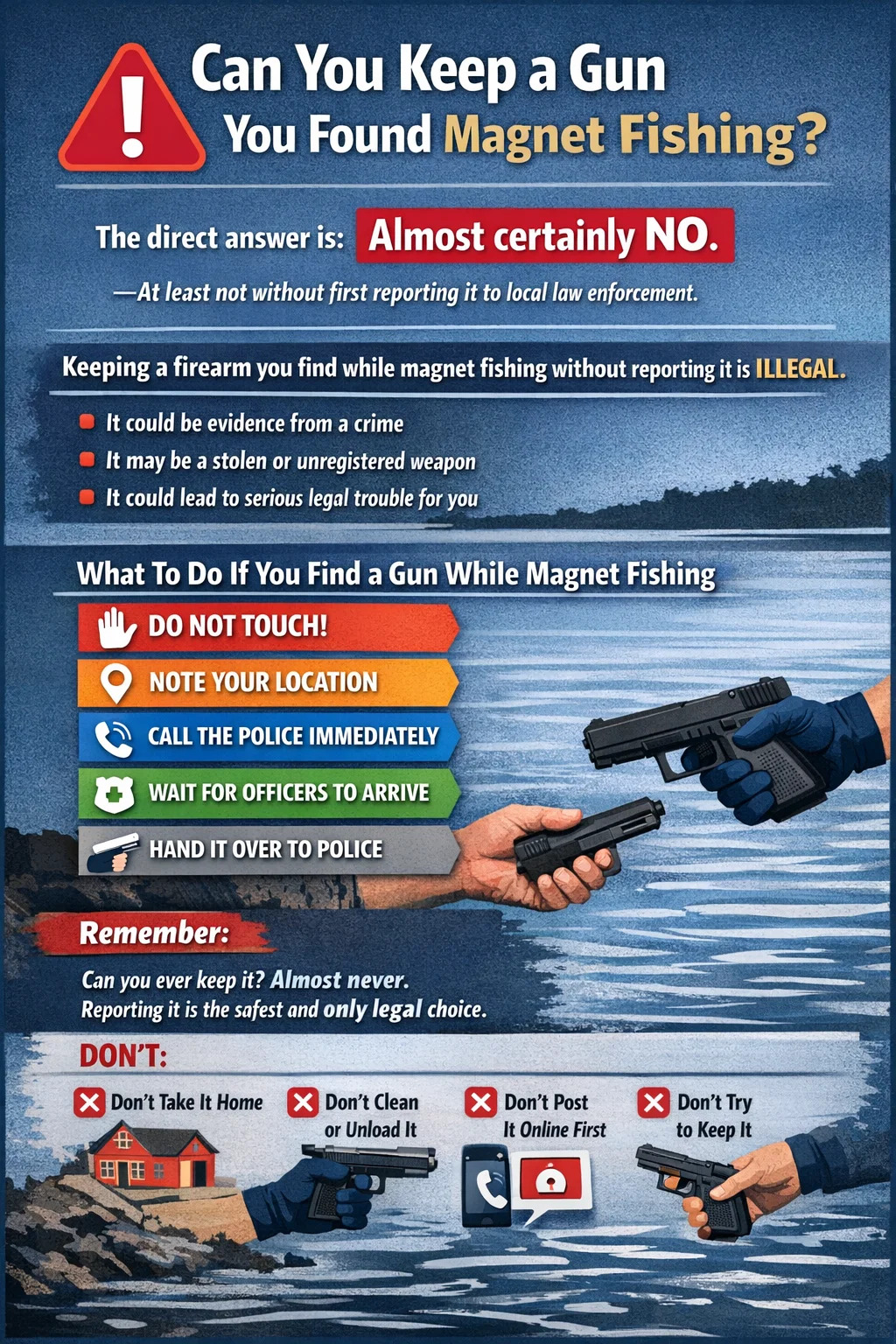
The short answer is: almost certainly no — at least not without first reporting it to local law enforcement. In most U.S. states, as well as in the UK, Canada, and Australia, keeping a firearm you pulled out of the water with a fishing magnet without reporting it is illegal. The gun may be evidence in a crime, reported stolen, or an unregistered weapon — any of which creates serious legal exposure for you the moment you decide to walk away with it.
Magnet fishing — the hobby of dragging a powerful neodymium fishing magnet through rivers, canals, lakes, and harbors to retrieve ferrous metal objects — has exploded in popularity over the last decade. YouTube channels dedicated to the hobby regularly clock millions of views, and hobbyists have pulled up everything from safes and bicycles to grenades and, yes, firearms. But the legal situation around those firearms finds is far more complicated than the thrill of the discovery.
This guide breaks down exactly what you need to do, why the laws are stricter than most people realize, and what can actually happen if you make the wrong call.
Why Guns End Up in the Water in the First Place
Understanding the context of where these weapons come from helps explain why authorities treat recovered firearms so seriously. Guns recovered from waterways during magnet fishing sessions generally fall into a few distinct categories:
- Weapons used in crimes and disposed of by perpetrators — this is by far the most common category
- Stolen firearms that were dumped after a robbery or burglary
- Military or police surplus weapons discarded decades ago
- Antique or decommissioned firearms tossed during estate cleanouts
- Guns that fell accidentally from boats or docks
- Weapons disposed of by individuals trying to avoid legal trouble
In 2022, a magnet fishing enthusiast in the Thames River in London pulled up a sawn-off shotgun wrapped in a plastic bag — almost certainly a crime weapon. Cases like this are not rare. The Bureau of Alcohol, Tobacco, Firearms and Explosives (ATF) in the United States processes thousands of crime gun traces annually, and waterways are a well-documented disposal method for criminals. That rusted pistol attached to your fishing magnet could be connected to an unsolved homicide from five years ago.
U.S. Law: What Happens When You Find a Gun While Magnet Fishing
There is no single federal law in the United States that directly addresses found firearms, but a patchwork of federal statutes and state laws creates a clear legal obligation to report — and serious consequences for failing to do so.
Federal Firearms Laws That Apply
Under the Gun Control Act of 1968 and subsequent amendments, it is illegal to possess a firearm with an obliterated or removed serial number (18 U.S.C. § 922(k)). A penalty of up to five years in federal prison applies for knowingly possessing such a weapon. Many guns found in waterways have had their serial numbers filed off specifically to make them untraceable — meaning the moment you put one in your car, you may be committing a federal felony.
Additionally, if the firearm is a machine gun, short-barreled rifle, or suppressor manufactured after May 19, 1986, simple possession is a federal crime under the National Firearms Act regardless of how you acquired it.
State-Level Obligations Vary Widely
State laws on found property and found firearms differ significantly. Some states treat firearms as lost property subject to general found-property statutes, which usually require turning the item in to local police within a set period — often 24 to 72 hours. Other states have specific firearms statutes that impose immediate reporting requirements.
| State | Reporting Requirement | Potential Penalty for Non-Compliance |
|---|---|---|
| California | Immediate; must turn over to law enforcement | Misdemeanor or felony depending on firearm type |
| Texas | Must report within reasonable time under general property laws | Theft by receiving charge possible |
| New York | Immediate; strict licensing laws apply | Felony for unlicensed possession |
| Florida | Report to law enforcement; general found property rules | Second-degree misdemeanor minimum |
| Illinois | Immediate reporting; FOID card required for possession | Felony for possession without FOID |
The safest course of action in every U.S. state is the same: do not move the weapon if possible, call local police immediately, and do not attempt to handle, clean, or transport the gun on your own.
UK Law: Magnet Fishing and Found Firearms
The United Kingdom has some of the strictest gun laws in the world, and magnet fishing is particularly popular there — especially along the Thames, the canals of Birmingham, and harbors in Liverpool and Bristol. The legal situation for UK-based magnet fishers who find a gun is unambiguous and severe.
Under the Firearms Act 1968 (as amended), it is a criminal offense to possess a firearm without a valid certificate. There is no "finder's exception." The moment a gun comes out of the water and into your hands in the UK, you are technically in possession of a firearm. The law does provide a defense if you report the find to police as soon as reasonably practicable — but that window is short and the expectation is immediate contact.
Penalties under UK law for unlawful firearm possession include:
- Up to 7 years imprisonment for possession of a prohibited weapon
- Minimum 5-year mandatory sentence for certain prohibited firearms
- An unlimited fine in addition to custodial sentences
UK magnet fishing communities online (particularly on Reddit's r/magnetfishing) routinely advise members to call 999 immediately upon finding any weapon and to stay at the scene until police arrive. This is not overcautious — it is the legally correct response.
The Step-by-Step Protocol When Your Fishing Magnet Pulls Up a Gun
The adrenaline of pulling a firearm out of the water with your neodymium magnet can make it tempting to handle the weapon, take photos, and post them immediately to social media. Here is what you should actually do, in order:
- Do not touch it with your bare hands if you can avoid it. Fingerprints and DNA can be transferred to and from the weapon. Use gloves if you have them, or handle it minimally.
- Do not try to unload it, clean it, or determine if it is loaded. A corroded firearm can be extremely dangerous — the trigger mechanism may be compromised, or corrosion may have made the action unpredictable.
- Note your exact location. Use GPS coordinates from your phone if possible. Police will need to know the precise spot of recovery.
- Call local law enforcement immediately. In the U.S., call 911 or the non-emergency line for your local department. In the UK, call 999 or 101 depending on urgency. Tell them clearly you have found a firearm while magnet fishing.
- Stay at the scene and wait for officers to arrive. Leaving the scene with the weapon — or without it — can complicate the investigation and your legal standing.
- Hand the weapon over completely. Do not ask to keep it, do not take pieces of it, and do not photograph it in a way that delays the handover.
Following this protocol protects you legally and potentially helps solve a crime. In several documented cases, guns recovered by magnet fishers and reported to police were matched to unsolved shootings, providing investigators with critical ballistic evidence.
Can You Ever Legally Keep a Gun Found Magnet Fishing?
In theory, there are narrow scenarios where someone could potentially end up with legal ownership of a firearm found during magnet fishing — but they are far rarer and more complicated than most hobbyists assume.
The Found Property Process in Some U.S. States
Some states have found property laws that allow someone who properly reports a found item and waits through a holding period (often 90 days) to claim ownership if no one comes forward. Firearms are sometimes technically subject to these laws. However, even in those states, the following conditions all need to be true before you could keep such a weapon:
- You must have reported it immediately and properly to police
- The gun must not be evidence in any crime
- The serial number must be intact and traceable
- You must be legally eligible to own a firearm in your state
- The police department must agree to release it to you
- The firearm must not be a prohibited type (NFA item, sawed-off, etc.)
In practice, police departments rarely release found firearms to civilians, and most departments have policies of destroying or keeping recovered guns. Even in permissive states, the realistic chance of being allowed to keep a magnet-fished gun legally is extremely low — probably under 5% of cases where all conditions are met.
The Antique Firearm Exception
Under U.S. federal law, firearms manufactured before 1899 are classified as antiques and are not subject to the same regulations as modern firearms. In theory, if your fishing magnet retrieves a Civil War-era pistol or a 19th-century revolver, the legal framework is different. However, you would still need to verify the manufacture date through a qualified appraiser, confirm the gun is not evidence of any crime, and comply with any relevant state laws — many of which do not have the same antique exemption as federal law.
Safety Risks of Handling a Gun Found While Magnet Fishing
Beyond the legal issues, there are serious physical dangers that hobbyists need to understand. A firearm that has been submerged in water — whether a river, canal, lake, or harbor — for any significant period of time is not a safe object to handle casually.
Corrosion and Mechanical Failure
Water causes rapid oxidation of ferrous metals. A gun submerged for even a few months can develop significant internal corrosion. Rust can freeze the action in either the open or closed position, cause the firing pin to become stuck in a forward position (meaning the gun is effectively always "cocked"), or weaken the barrel to the point where it could catastrophically fail if fired. There have been documented cases of recovered firearms discharging when removed from water due to corrosion-induced mechanical issues.
Live Ammunition
Guns are often disposed of loaded. Modern ammunition can remain functional after extended water submersion — particularly centerfire ammunition with sealed primers. A loaded weapon with a corroded, unpredictable trigger mechanism is an extremely dangerous combination. Do not attempt to check the chamber or cylinder yourself.
Explosive Ordnance Concerns
This applies more broadly to the magnet fishing hobby: waterways — especially in Europe — frequently contain unexploded ordnance (UXO) from World War I and World War II. Hobbyists in Belgium, France, the Netherlands, and Germany have pulled up live grenades, shells, and other munitions. The same principle applies: do not handle these items, call authorities immediately, and keep other people well clear of the area.
Real-World Cases: What Happened When Magnet Fishers Found Guns
Looking at actual documented cases provides a clearer picture of how these situations unfold.
The Tennessee River Gun Cache, 2021
A group of magnet fishing enthusiasts in Knoxville, Tennessee pulled up a cache of six handguns from the Tennessee River during a single afternoon session. They immediately called local police, who recovered the weapons and sent them to a ballistics lab. Two of the six firearms were eventually matched to armed robberies committed two years earlier. Because the hobbyists reported the find properly and immediately, they faced no legal consequences and were commended by local law enforcement.
The Thames Shotgun Case, London
A magnet fisher in East London pulled a sawn-off shotgun — a prohibited weapon under UK law — from the Thames. He filmed the discovery and posted it to YouTube before calling police. While he did eventually report it, the delay caused by filming and posting (approximately 25 minutes) led to a formal caution from the Metropolitan Police. He was not charged, but the incident became a well-cited example in UK magnet fishing communities of how not to handle the situation.
The Ohio Canal Case: What Not to Do
In a case that circulated in online magnet fishing forums, a hobbyist in Ohio pulled a .38 revolver from a canal, took it home, cleaned it, and posted about it on social media before reporting it. He was subsequently charged with improper handling of a firearm. The charge was eventually plea-bargained down, but he faced legal fees exceeding $4,000 and a year of probation. The cost of not following the correct protocol was substantial.
Magnet Fishing Regulations Beyond Firearms: What Else You Need to Know
While the focus here is on found guns, the broader legal landscape around magnet fishing is worth understanding. The hobby sits in a legally gray area in many jurisdictions, and the rules around what you can keep from a magnet fishing haul are not always intuitive.
Location Permissions
In the UK, the Canal and River Trust requires written permission before using a fishing magnet on its waterways. Fishing without that permission can result in fines. In the U.S., regulations vary by waterway — federally navigable waters, state parks, and private property all have different rules. Always verify permission before dropping your fishing magnet.
Treasure and Artifact Laws
In the UK, the Treasure Act 1996 requires that finds of certain metallic objects — particularly those over 300 years old — be reported to the local coroner within 14 days. Failure to do so is a criminal offense carrying up to three months in prison or a significant fine. While most magnet fishing finds don't qualify as "treasure," coins and certain metal objects can. The U.S. has the Archaeological Resources Protection Act (ARPA), which prohibits removing archaeological objects from federal and tribal lands.
Safe Disposal of Junk Finds
A responsible magnet fisher doesn't just pull objects out — they dispose of junk metal properly. Dumping retrieved scrap back into the water (in many jurisdictions) constitutes littering or illegal dumping. Most magnet fishing communities operate under a "leave it better than you found it" ethic, taking all recovered scrap to appropriate recycling or disposal facilities.
Choosing the Right Fishing Magnet for Safe and Legal Magnet Fishing
On a more practical note for hobbyists: understanding the capability of your fishing magnet is important, because a more powerful magnet means a higher chance of retrieving something significant — including potentially dangerous finds like firearms or ordnance.
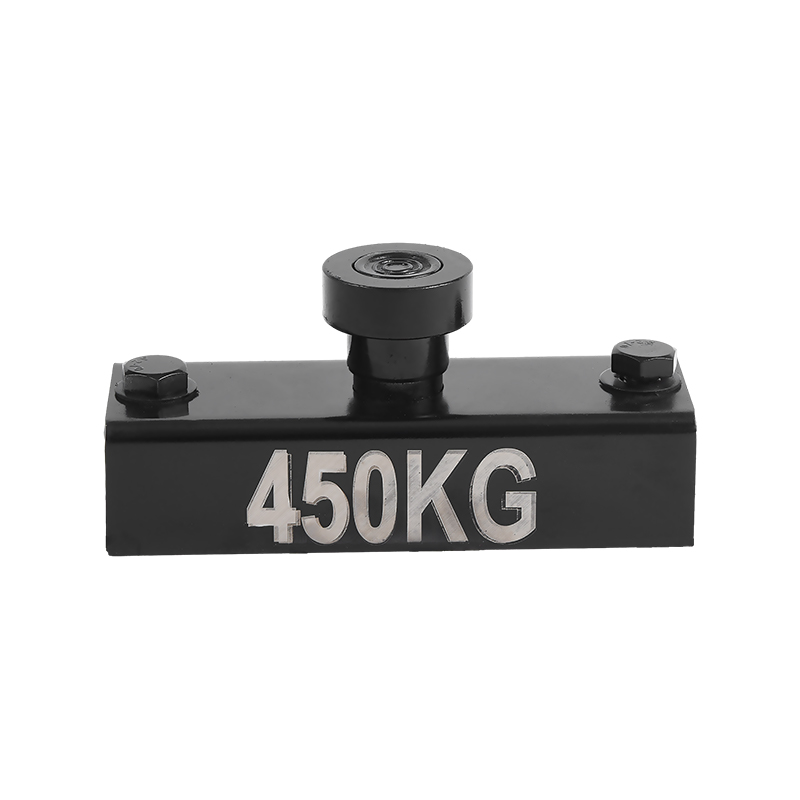
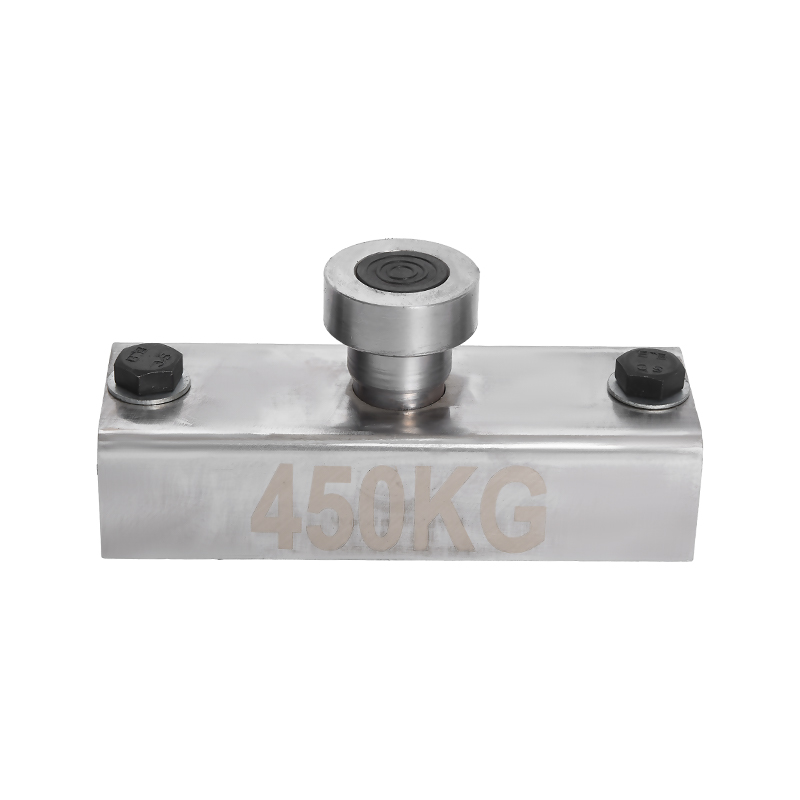
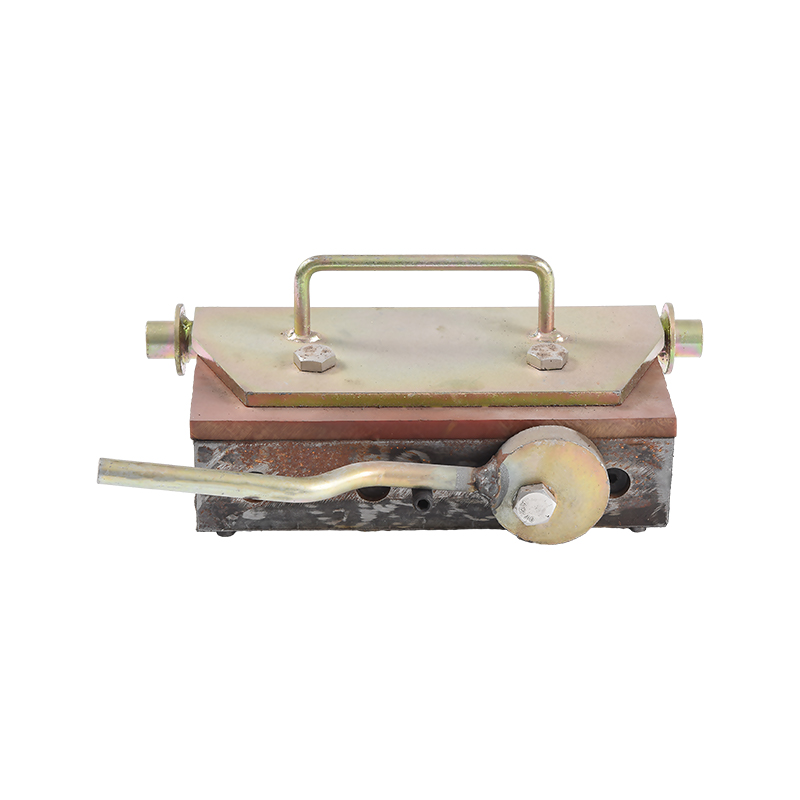
Neodymium fishing magnets are rated by their pull force, typically measured in pounds or kilograms. Common configurations include:
- 200–500 lb pull: Entry-level fishing magnet suitable for coins, tools, and small objects; less likely to retrieve heavy items
- 500–1,000 lb pull: Mid-range fishing magnet capable of retrieving handguns, knives, and medium metal objects
- 1,000+ lb pull: Heavy-duty fishing magnet used by experienced hobbyists; can retrieve safes, bicycles, and large weapon caches
A double-sided fishing magnet (with magnetic faces on both top and bottom) increases surface coverage and improves the chance of latching onto objects, which is why they have become increasingly popular. Regardless of which fishing magnet you use, the legal obligations when finding a gun remain identical.
Community Guidelines and Best Practices from Experienced Magnet Fishers
The magnet fishing community has developed a set of informal best practices around dangerous finds that most experienced hobbyists follow. These are not legally binding, but they reflect the collective wisdom of a community that regularly encounters unexpected and serious finds.
- Always carry gloves — both for safety handling sharp corroded metal and for minimizing contact with potential evidence
- Keep the non-emergency police number for your local department saved in your phone before you go out
- Film your finds from a safe distance — but call authorities before posting anything to social media
- Do not attempt to identify what type of gun it is or whether it is loaded
- If you find a gun near a grenade or other potential ordnance, back away and call emergency services — do not try to retrieve multiple items at once
- Document the location with GPS before moving anything
Many experienced magnet fishers recommend keeping a small written card in your kit with the steps to follow when finding a dangerous object. In the excitement of the moment, it is easy to make a decision you will regret.
Final Summary: What to Do and What Not to Do
| Do This | Never Do This |
|---|---|
| Call police immediately | Take the gun home to clean or examine it |
| Use gloves to minimize contact | Try to unload or check if it is loaded |
| Record your GPS coordinates | Post on social media before reporting |
| Stay at the scene until officers arrive | Leave the scene with or without the weapon |
| Cooperate fully with the investigation | Assume you can keep it as found property |
Magnet fishing is a rewarding hobby with genuine public safety benefits — responsible hobbyists have helped remove thousands of dangerous objects from public waterways. But that same responsibility extends to how you handle serious finds like firearms. Report it, hand it over, and let the legal process run its course. That is both the legally correct and morally right approach, and it protects you, other people, and the long-term reputation of the magnet fishing community.