English
 Español
 русский
 日本語
日本語
 عربى
عربى

Content
- 1 What Lifting Devices for Precast Concrete Actually Do (and Why the Choice Matters)
- 2 The Two Anchor Families That Cover 90% of Precast Lifting Jobs
- 3 How Magnetic Lifting Clutches Connect to Precast Anchors
- 4 Selection Criteria: What the Site Engineer Must Check Before Ordering
- 5 Installation Workflow on a Real Precast Production Line
- 5.1 Step 1: Verify the Anchor Before Casting
- 5.2 Step 2: Position the Anchor with a Template
- 5.3 Step 3: Arrange Reinforcement Around the Anchor
- 5.4 Step 4: Pour and Vibrate Lightly
- 5.5 Step 5: Wait for the Concrete to Reach the Specified Strength
- 5.6 Step 6: Set the Lifting Clutch onto the Anchor
- 5.7 Step 7: Tension the Sling Slowly
- 5.8 Step 8: Make a Test Lift
- 6 Safety Factors and Load Testing: What Precast Plants Should Know
- 7 Maintenance and Inspection Routine for Lifting Devices
- 8 Erection Anchor vs Two-Hole Anchor: Which One for Your Next Project
- 9 FAQ: Lifting Devices for Precast Concrete
- 9.1 What is the difference between a lifting anchor and a lifting clutch?
- 9.2 Can a lifting anchor be reused?
- 9.3 What is the typical safety factor for precast lifting anchors?
- 9.4 How do I know which size of lifting device to choose?
- 9.5 What happens if the magnet on the lifting clutch gets weak?
- 9.6 Is it possible to lift a precast element that is heavier than the rated load of the anchor?
- 9.7 Do lifting devices need maintenance?
- 9.8 Can I use a two-hole anchor on a full-thickness wall panel?
What Lifting Devices for Precast Concrete Actually Do (and Why the Choice Matters)
Lifting devices for precast concrete are the physical link between a cast element and the crane hook. When a precast wall panel or double tee is pulled from its mold, the anchor system carries the entire weight of the element through the concrete. If the wrong device is selected, the anchor can pull out, the element can crack, and the production schedule can be delayed by weeks. The conclusion up front: a precast plant should treat lifting devices as class A components, not as consumable accessories. They need to be selected against the actual element thickness, concrete strength, and lifting angle, not just by brand or price.
The modern precast industry has converged on two anchor families that cover about 90 percent of all lifting tasks: erection anchors and two-hole anchors. The first handles heavy, full-thickness elements. The second handles thin architectural panels where edge distance is limited. Both connect to a lifting clutch, which is the reusable tool that the crane operator sets on the anchor before each lift. The right combination of anchor and clutch determines whether a plant can lift 40 panels per shift or struggle through 25 because the anchor head keeps slipping in the clutch recess.
In practical terms, the difference shows up in cycle time. A lifting clutch with a strong magnet seats on the anchor in about 2 seconds. A clutch with a weak magnet requires the operator to hold it with one hand while pulling the lever, which adds 8 to 10 seconds per lift. On a plant producing 200 elements per day, those seconds add up to roughly 30 minutes of lost production time every shift. This is why the choice of lifting device is a productivity decision, not just a safety decision.
The Two Anchor Families That Cover 90% of Precast Lifting Jobs
Erection Anchors for Full-Thickness Elements
Erection anchors are the workhorse of the precast concrete industry. They are cast into the element at the top edge, with the anchor head exposed at the surface. When a lifting clutch is engaged, the head snaps into a recess that matches the anchor geometry, and the crane takes the load. Erection anchors are available in rated load capacities from 1.3 metric tons to 32 metric tons. The most common sizes used in structural panels are 2.5 ton, 5 ton, and 10 ton.
The key to an erection anchor is its spreading plate or ribs that distribute the pull-out force deep into the concrete. On a 200 mm thick wall panel, a 5 ton anchor needs roughly 120 mm of edge distance from the top of the panel. That is why erection anchors work best on elements that have enough concrete above and beside the anchor to resist the cone-shaped failure surface.
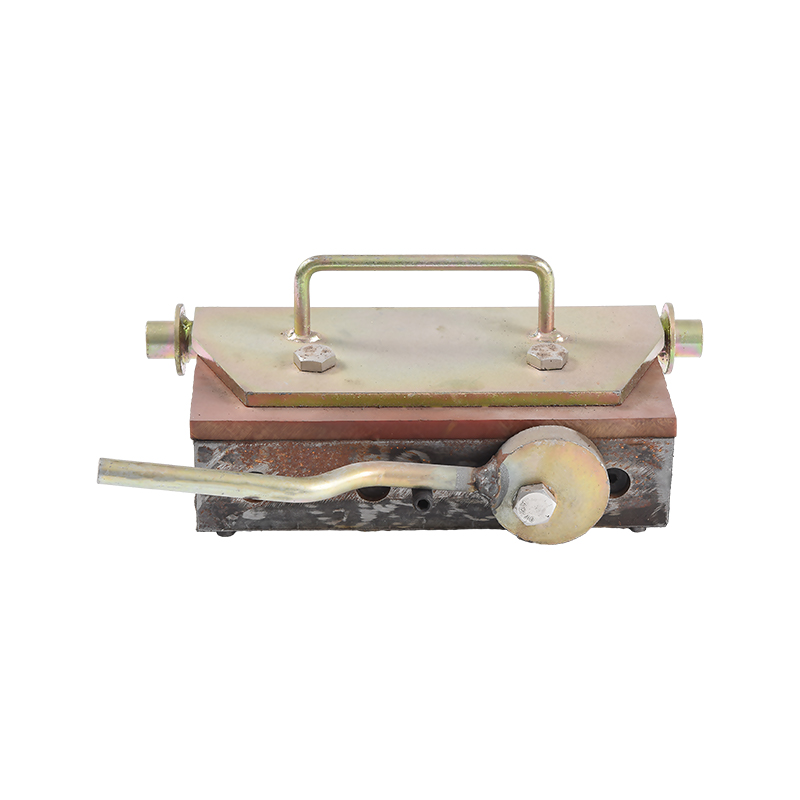
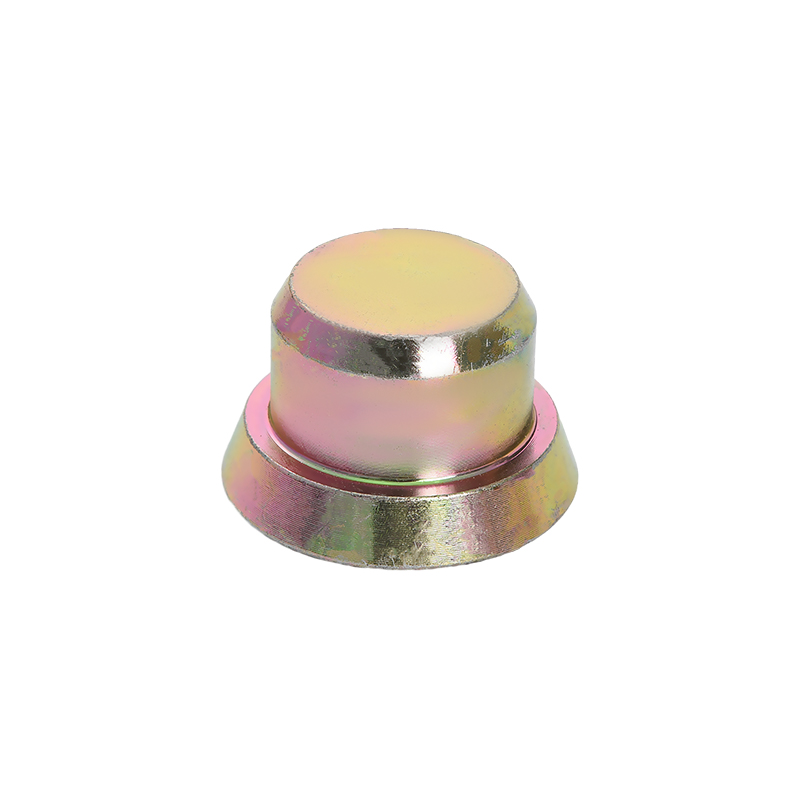
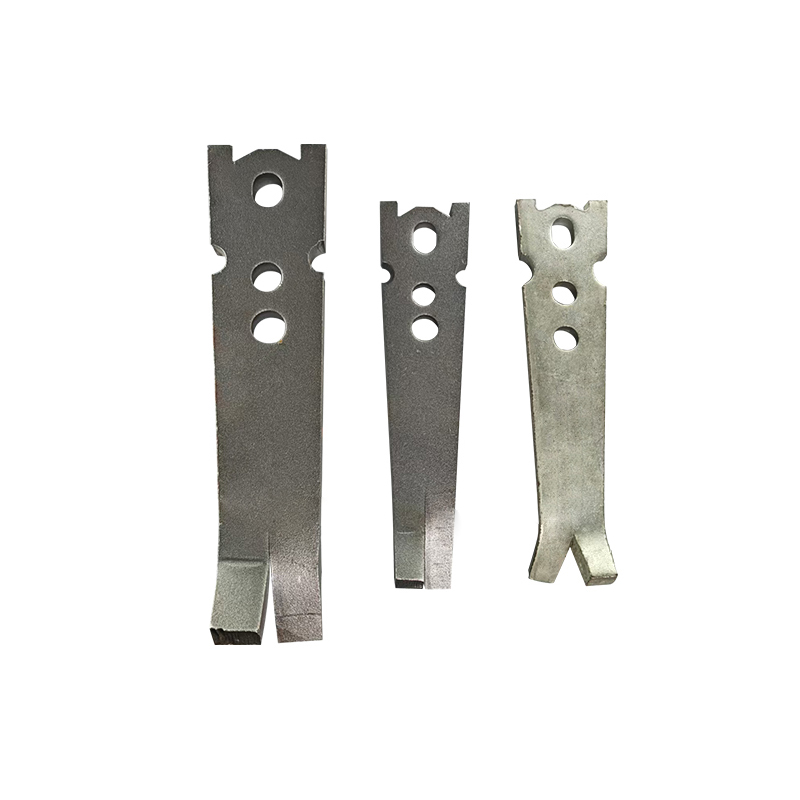 Erection AnchorThe Erection Anchor is a specialized tool engineered for lifting and securing precast concrete elements during transportation, installation, and assembly. Produced by ...View Product →
Two-Hole Anchors for Thin Elements and Tight Edge Distances
Two-hole anchors solve a specific problem: what to do when the element is too thin for a standard anchor cone. Instead of one point of load transfer, a two-hole anchor uses two parallel holes that are cast into the concrete. The clutch has two pins that drop into those holes, spreading the stress across a wider area. This lets a 2.5 ton two-hole anchor work in an 80 mm thick architectural cladding panel where a single-point anchor would fail.
Two-hole anchors also have a practical advantage in stripping operations: the clutch can be released from the side rather than straight up, which is useful when the crane is at an angle. This makes them the preferred choice for molded elements with complex geometry.
| Feature | Erection Anchor | Two-Hole Anchor |
|---|---|---|
| Load range | 1.3 - 32 tons | 1.3 - 13 tons |
| Typical element | Full-thickness wall, column | Thin cladding, spandrel |
| Minimum element thickness | 120 mm | 80 mm |
| Edge distance requirement | Higher | Lower |
| Clutch release direction | Vertical | Side |
How Magnetic Lifting Clutches Connect to Precast Anchors
The lifting clutch is the reusable mechanical device that connects the crane hook to the anchor embedded in the precast element. Modern clutches use a magnet inside the clutch body that attracts to the anchor head. When the operator lowers the clutch onto the anchor, the magnet holds the clutch in position while the lifting mechanism engages. This does two things: it saves the operator from holding the clutch by hand, and it prevents the clutch from slipping off the anchor during the approach phase.
The load path is straightforward: crane hook, then clutch body, then the mechanical engagement with the anchor head, then the concrete element. The magnet does not carry the lifting load. It only holds the clutch in place during the few seconds that the operator is setting it and later releasing it. This hybrid system gives the operator confidence in confined spaces where visibility is limited.
At plants that cast large columns, the lifting clutch is used with an anchor that has been cast into the top of the column about 100 mm below the top surface. The operator stands on the element, places the clutch over the anchor, and the magnet holds the clutch steady while the crane tensions the lifting sling. The result is a one-man operation that can be completed in under 20 seconds per element.
The magnet inside the clutch is a neodymium assembly. Over time, repeated cycling, dirt accumulation, and heat from the surrounding concrete can reduce its holding strength. A clutch with a weakened magnet will still engage the anchor mechanically, but the operator must hold it in position manually, which increases set-up time and creates a pinch-point hazard. Most lifting device manufacturers recommend checking the magnet pull force every 500 lifting cycles.
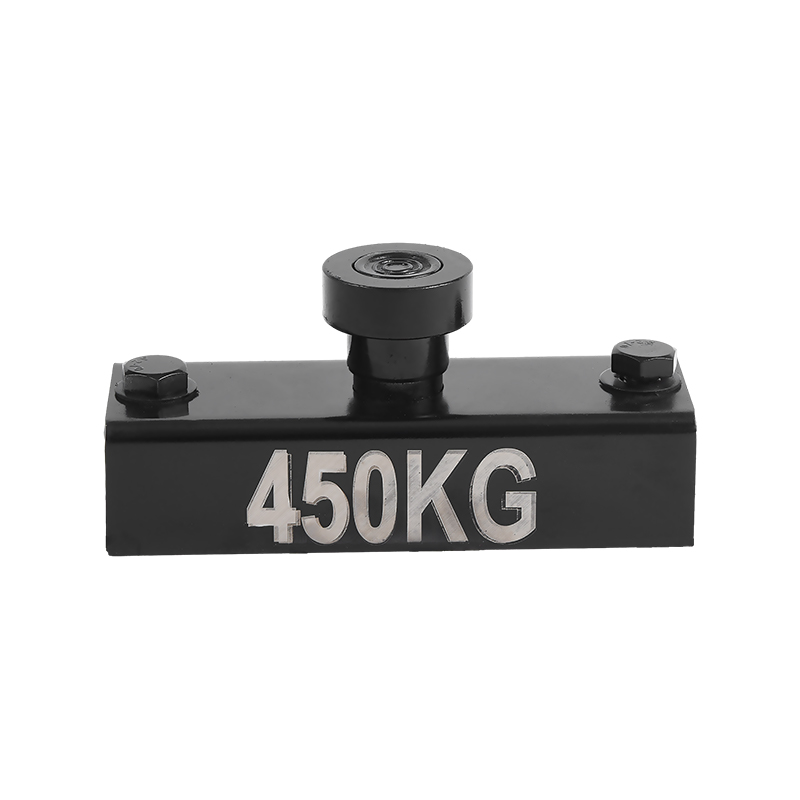
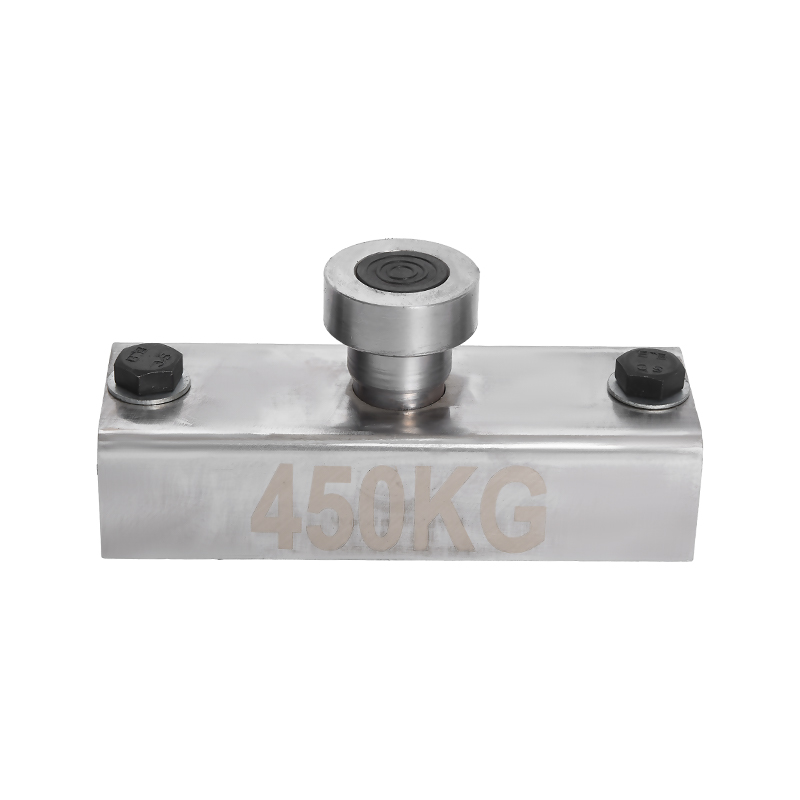
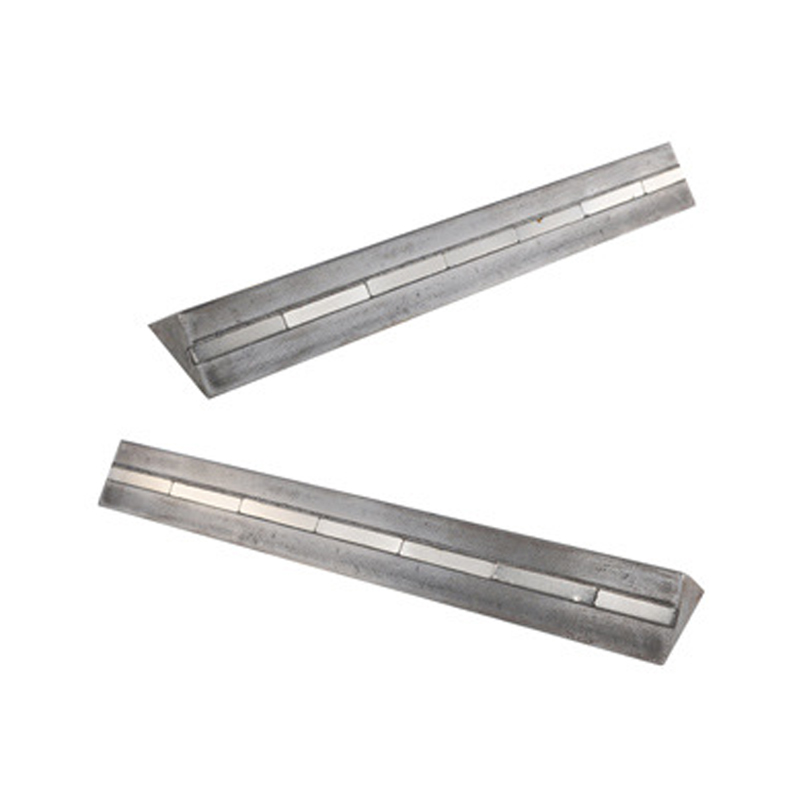
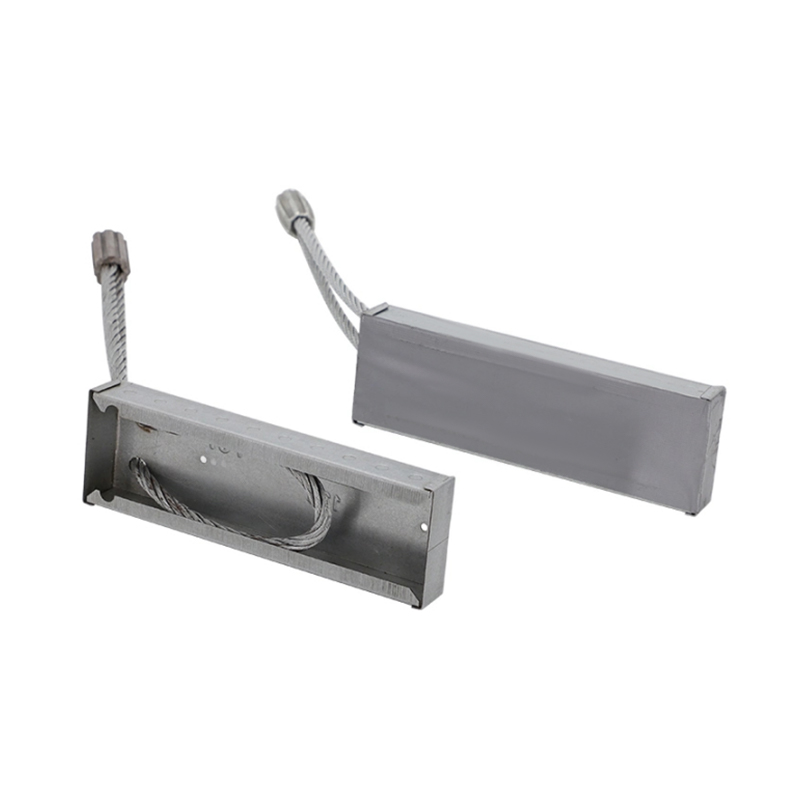
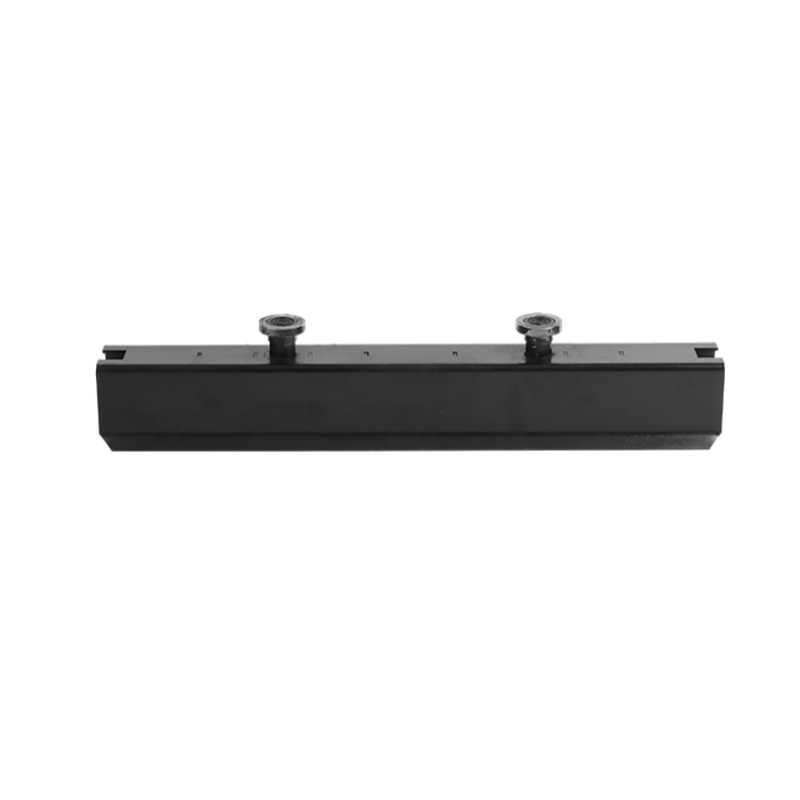
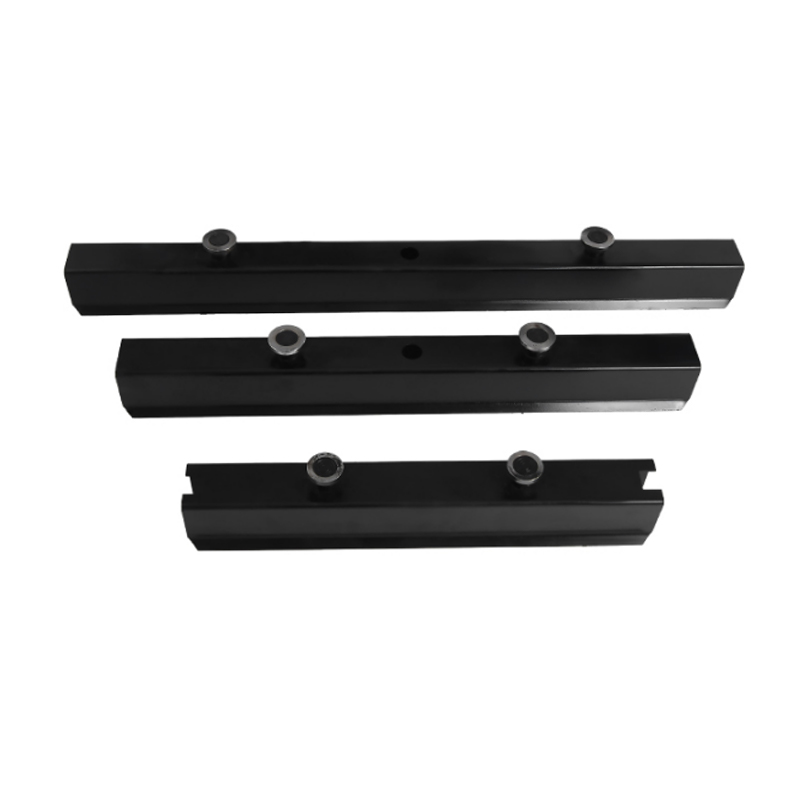 Magnetic edge touchThe prefabricated building magnetic fixed-edge die system is composed of built-in magnetic components and welded shell. The integrated design perfectly combines the co...View Product →
Selection Criteria: What the Site Engineer Must Check Before Ordering
A lifting device order is not just a purchase decision. It is an engineering decision. Before submitting the order to the supplier, the precast engineer should verify five parameters: the maximum element weight, the minimum concrete strength at lifting, the edge distance available in the mold, the lifting angle of the crane sling, and the diameter of the lifting loop that will match the clutch hook.
Maximum Element Weight
Take the heaviest element in the production schedule, not the heaviest one on paper. If the plant plans to thicken a panel or add reinforcement, that new weight goes into the calculation. A 25 percent margin over the rated anchor capacity provides room for concrete density variations.
Minimum Concrete Strength at Lifting
Most lifting anchors are rated for a specific concrete compressive strength, often 15 MPa or 20 MPa at first lift. If the element is pulled from the mold before the concrete reaches that value, the anchor will not have enough bond strength and can pull out of the element.
Edge Distance
Every anchor type specifies a minimum edge distance, measured from the center of the anchor to the edge of the concrete. This is directly tied to the size of the concrete breakout cone. The breakout cone is the roughly conical volume of concrete that resists the anchor being pulled upward. If the cone intersects the surface, the effective capacity drops.
Lifting Angle
A crane sling that pulls at 40 degrees off vertical increases the load on the anchor by about 30 percent. The engineer must check the element lifting angle against the anchor rated working load. The common assumption is that the sling angle is below 30 degrees from vertical. If the angle is larger, use a larger anchor or a spreader bar.
Clutch Type
The anchor head geometry must match the clutch recess. An erection anchor head is oval, while a two-hole anchor head has two round holes. Using the wrong clutch will not engage correctly and can result in a dropped element.
| Parameter | Erection Anchor (5t) | Two-Hole Anchor (2.5t) |
|---|---|---|
| Rated load | 5,000 kg | 2,500 kg |
| Minimum concrete strength | 20 MPa | 15 MPa |
| Minimum edge distance | 120 mm | 80 mm |
| Maximum lifting angle | 30 degrees | 45 degrees |
| Anchor head geometry | Oval head | Two round holes |
The plant can learn more about how related embedded components function by reading the technical article on insert magnets in precast concrete production. This gives a practical understanding of how magnetic components integrate with the mold system.
Installation Workflow on a Real Precast Production Line
Step 1: Verify the Anchor Before Casting
Before casting, verify that the anchor is the correct size and that its rated load is printed on the head. Discard any anchor that has dents or rust on the load-bearing surfaces. A damaged anchor head will not allow the clutch to lock securely.
Step 2: Position the Anchor with a Template
Position the anchor in the mold. Use a template or spacer to hold it at the correct distance from the edge. A 2 mm shift in position can change the edge distance enough to reduce the load rating.
Step 3: Arrange Reinforcement Around the Anchor
Place the reinforcement steel around the anchor. The anchor should be surrounded by at least one layer of reinforcement if the element will be exposed to significant pulling forces. The reinforcement adds ductility to the concrete around the anchor.
Step 4: Pour and Vibrate Lightly
Pour the concrete and vibrate lightly around the anchor. Do not over-vibrate, because this can move the anchor out of position. Most plants use a dedicated mold section for the anchor zone that is vibrated separately.
Step 5: Wait for the Concrete to Reach the Specified Strength
The concrete must reach its minimum lifting strength before the element can be pulled. A standard curing cycle may require 8 to 12 hours, depending on the mix design and the ambient temperature. If the plant uses steam curing, the time may be shorter.
Step 6: Set the Lifting Clutch onto the Anchor
The operator should feel and hear the clutch engage. If the magnet does not hold the clutch, clean the anchor head and the clutch face. Concrete dust is abrasive and can reduce the magnet contact area over time.
Step 7: Tension the Sling Slowly
Once the crane takes the load, do not jerk. A sudden pull can cause the concrete around the anchor to crack. The crane operator should increase the tension gradually over 3 to 5 seconds.
Step 8: Make a Test Lift
Make the first lift only 20 mm off the mold to confirm that the element is free. If the element does not release, do not force it. Check for undercuts or damaged edge seals first.
This process reduces the risk of a dropped element and allows the plant to maintain a rhythm of 30 to 40 lifts per shift, depending on the crane cycle time.
Safety Factors and Load Testing: What Precast Plants Should Know
Safety factor is the difference between the rated capacity of the lifting device and the actual load applied to it. For precast concrete lifting anchors, the industry practice is to design at a factor of at least 2.0 relative to the rated load. Many structural engineering firms specify a factor of 3.0 for elements that will be transported by truck.
A concrete example: a 5 ton erection anchor is rated for 5 metric tons. That does not mean the plant can safely lift a 5.2 ton panel with it. The 5 ton rating is the maximum capacity under the most favorable conditions: concrete strength above 20 MPa, edge distance above 120 mm, and a lifting angle less than 30 degrees from vertical. If any of those conditions change, the safe working load drops.
The Multiplication of Risk Factors
The real danger appears when multiple factors combine. A panel at 21 MPa concrete strength with a 110 mm edge distance and a 35 degree lifting angle is not the same as a panel at 28 MPa with a 130 mm edge distance and a 20 degree angle. Each deviation from the rated condition reduces the available capacity. In practice, this means the engineer should start with the heaviest element, multiply by a safety factor of 2.0, and then verify the edge distance and lifting angle.
Load Testing with a Load Cell
A load test is the simplest way to verify that a new combination of anchor and clutch works before the production run starts. The plant can place a load cell between the crane hook and the lifting sling, then lift the heaviest element in the schedule and record the actual load. If the measured load is more than 80 percent of the rated capacity, the engineer should change the anchor size or alter the lifting geometry.
Two Real Stories from Production Floors
In one plant, a 10 ton double tee was being lifted with a 10 ton anchor at a 35 degree angle. The angle increased the effective load to 11.6 tons. The anchor did not fail, but the concrete around the anchor cracked at the surface. The plant changed to a 13 ton anchor and the problem disappeared.
In another plant, the crew used a 2.5 ton two-hole anchor on an 80 mm cladding panel and found that the magnet on the clutch was not strong enough to hold the clutch in place during the first approach. The fix was to specify a clutch with a stronger magnet and a larger contact face.
Maintenance and Inspection Routine for Lifting Devices
The lifting devices in a precast plant need a systematic inspection routine. A clutch that passes visual inspection can still have a damaged magnet or a worn engagement recess. Define the routine by interval: every shift, every week, every month.
Every Shift: Clean the Contact Face
The operator should wipe the clutch contact face and inspect the anchor head for concrete residue. Concrete dust is abrasive and can reduce the magnet contact area over time. When the magnet contact area is reduced, the clutch does not hold as firmly and the operator must manually support it. A simple wet cloth is enough to clean the contact face.
Every Week: Check the Magnet Pull Force
Once a week, check the magnet pull force using a pull-force tester. The clutch should hold a known test weight that is equal to 50 percent of the magnet rated pull. If the clutch cannot hold that weight, the magnet needs replacement. This is a simple check that takes 2 minutes but prevents a significant set-up slowdown.
Every Month: Inspect the Clutch Body
Inspect the clutch body for cracks, bent pins, and worn engagement edges. The clutch body is usually made of hardened steel, but it can deform after long service. Replace the clutch if there is visible play between the latch and the anchor head.
Before Every Casting: Check the Anchor
Also inspect the lifting anchor itself while the element is in the mold. A rounded or damaged anchor head should be replaced before the concrete is poured. A damaged anchor head will not allow the clutch to lock securely, and the element might slip during the lift.
| Inspection Item | Interval | Method | Result if Failed |
|---|---|---|---|
| Contact face cleanliness | Every shift | Wipe with cloth | Reduce magnet force |
| Magnet pull force | Weekly | Pull-force tester | Replace magnet |
| Clutch body integrity | Monthly | Visual and hand check | Replace clutch |
| Anchor head condition | Before casting | Visual check | Replace anchor |
Erection Anchor vs Two-Hole Anchor: Which One for Your Next Project
The decision between an erection anchor and a two-hole anchor is driven by the element geometry. Let me separate it into four practical scenarios.
Scenario 1: A 250 mm Thick Wall Panel for a Commercial Building
This is the classic erection anchor job. The element has enough thickness for a full breakout cone, so the plant should use a 5 ton erection anchor with a 120 mm edge distance.
Scenario 2: A 100 mm Thick Architectural Cladding Panel
This is the two-hole anchor job. The element is too thin for a single-point anchor. The two-hole anchor with an 80 mm edge distance works well and keeps the load spread. The 2.5 ton two-hole anchor is a common choice for this scenario.
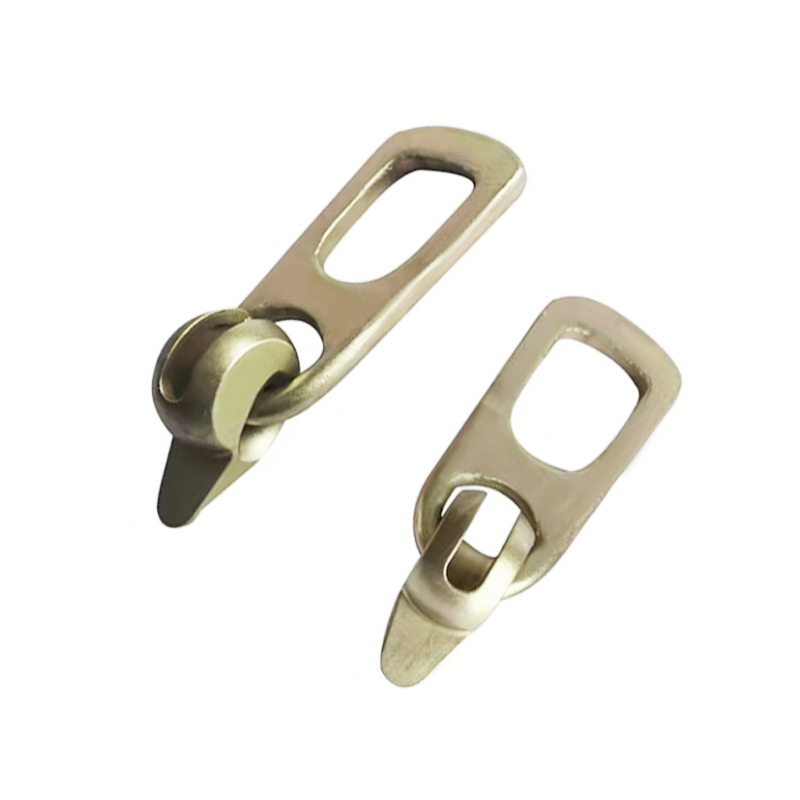
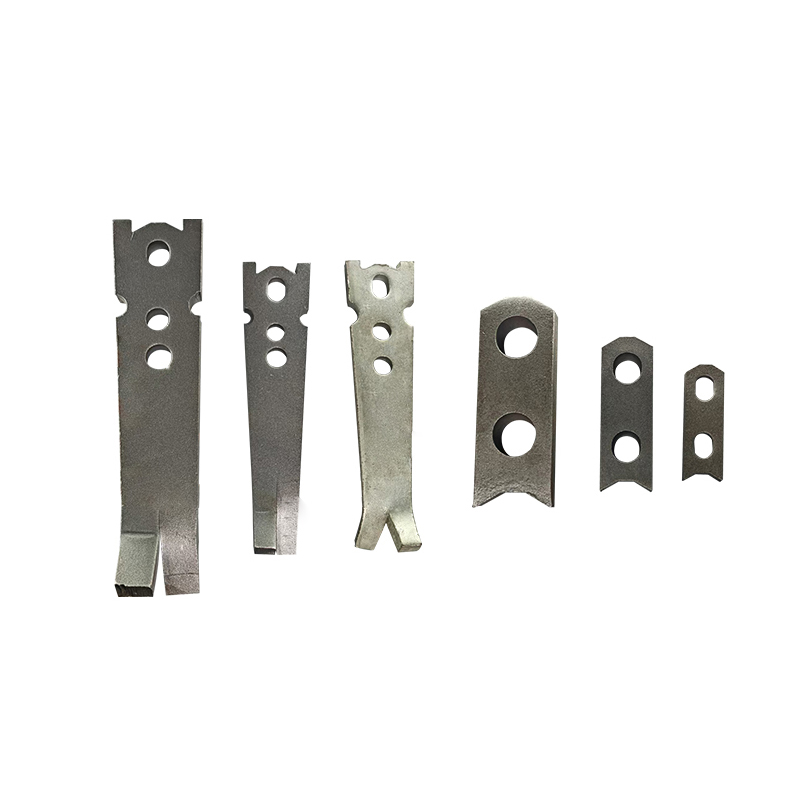 Two Hole AnchorProduct Short DescriptionView Product →
Scenario 3: A 300 mm Thick Column with a Limited Top Surface
The plant wants the anchor to remain embedded for the final installation, so a lifting clutch with a recessed anchor is preferred. The clutching is done at the top of the column, and the anchor remains in place for the whole life of the column.
Scenario 4: A Precast Double Tee with a Large Area
The element weighs 18 tons and has two lifting points. Each lifting point carries 9 tons. The plant needs to use a 10 ton anchor at each point, not a 5 ton anchor, because the edge distance is limited by the rib geometry.
Each scenario has its own set of constraints. The best approach is to ask the element design engineer for the lifting point arrangement, then match the anchor and clutch to it.
FAQ: Lifting Devices for Precast Concrete
What is the difference between a lifting anchor and a lifting clutch?
The lifting anchor is the embedded component that is cast into the concrete. The lifting clutch is the reusable tool that connects the crane to the anchor. The anchor stays in the element for its whole life. The clutch travels with the crane and is used on every lift.
Can a lifting anchor be reused?
No. The lifting anchor is a single-use component. Once it is cast into the concrete, it cannot be removed or reused. This is by design, because the anchor is part of the element structure. If the element needs to be lifted multiple times, the same anchor is used for every lift. The clutch is the reusable part.
What is the typical safety factor for precast lifting anchors?
The typical safety factor is 2.0 to 3.0 times the rated load. A 5 ton anchor is usually tested at 10 tons before it leaves the manufacturer. The actual installed factor depends on the edge distance, concrete strength, and lifting angle.
How do I know which size of lifting device to choose?
Calculate the maximum element weight and add a 25 percent margin. Compare that load with the rated capacity of the anchor. Then check the minimum element thickness and edge distance in the mold against the anchor specification. If the element is thinner than 120 mm, use a two-hole anchor.
What happens if the magnet on the lifting clutch gets weak?
The clutch will still engage the anchor mechanically, but it will require the operator to hold it in place by hand. This increases set-up time and creates a pinch-point hazard. A weak magnet can be detected with a weekly pull-force test.
Is it possible to lift a precast element that is heavier than the rated load of the anchor?
No, it is not safe and will likely cause anchor failure. The rated load includes the safety factor. If a plant regularly needs to lift elements that exceed the anchor rated load, it must switch to a larger anchor or add more lifting points.
Do lifting devices need maintenance?
Yes. The clutch needs daily cleaning, weekly magnet checks, and monthly structural inspection. The anchor needs a visual check before it is cast into the concrete.
Can I use a two-hole anchor on a full-thickness wall panel?
Technically, yes, but it is not the most economical choice. Two-hole anchors are designed for thin elements. On a full-thickness panel, an erection anchor is stronger and less expensive.