English
 Español
 русский
 日本語
日本語
 عربى
عربى


Content
- 1 What Causes Concrete Bubbles in Precast Production
- 2 Bugholes vs Honeycombing: Two Different Surface Defects
- 3 Vibration Technique: The Single Biggest Factor in Bubble-Free Surfaces
- 4 Precast Concrete Accessories That Influence Bubble Formation
- 5 Mix Design Adjustments That Reduce Surface Voids
- 6 Form Release Agents: Chemically Reactive vs Barrier Type
- 7 Pour Rate and Placement Method
- 8 Temperature and Seasonal Effects on Bubble Formation
- 9 Common Mistakes That Make Bugholes Worse
- 10 Quality Control Checklist Before Every Pour
- 11 Repairing Bugholes on Hardened Concrete
- 12 Frequently Asked Questions
- 12.1 Are concrete bubbles a sign of weak concrete?
- 12.2 What is the fastest way to reduce bugholes on a new pour?
- 12.3 Do precast concrete accessories really affect bubble formation?
- 12.4 Can a mix design change eliminate bugholes completely?
- 12.5 Is it better to prevent bugholes or repair them afterward?
- 12.6 Why do bugholes appear mostly near the top of a vertical pour?
- 12.7 Does the type of formwork material change how many bugholes form?
- 12.8 Can too much vibration cause surface problems as well?
- 12.9 Should hot or cold weather change how a crew handles vibration?
What Causes Concrete Bubbles in Precast Production
Concrete bubbles, known throughout the precast industry as bugholes, are small surface voids left behind after formwork is stripped. They form when entrapped air migrates toward the mold surface during placement and vibration but gets trapped at the concrete-form interface instead of escaping. The three factors that account for the vast majority of bughole complaints are insufficient vibration, impermeable formwork combined with the wrong release agent, and a mix design that is too stiff to let air travel freely to the surface. Fixing bugholes almost always starts with one of these three areas rather than a single mystery cause.
Bugholes are a surface aesthetic issue rather than a structural one. Reinforced precast elements with visible bugholes still meet strength requirements, but exposed architectural panels, precast walls, and any product sold on visual appearance will show every void once the panel is under raking light. That is why precast yards producing facade panels, sound barriers, and architectural cladding put more engineering effort into bughole control than yards casting buried utility structures where the surface is never seen after installation.
Most bugholes measure well under an inch across, typically appearing as shallow, rounded pits scattered unevenly across vertical faces. On their own, a light scattering of small voids is considered a normal, expected outcome of vertical casting rather than a sign that something went wrong in the plant. The goal for most producers is not zero bugholes, which is close to impossible to guarantee on every pour, but a consistent, manageable void pattern that finishing crews can address quickly without extensive patchwork.
How Trapped Air Turns Into a Surface Void
Fresh concrete is a dense suspension of cement paste, water, and aggregate with air pockets mixed in during batching and pouring. As soon as the mix settles inside the form, gravity begins separating it: solids settle downward while air bubbles and bleed water move upward and outward, seeking the path of least density. In a vertical form, that path leads sideways to the form face before it leads up and out of the pour.
When a bubble reaches the form wall, it needs somewhere to go. On a permeable form, some air can pass through the surface itself. On a steel or coated plywood form, which describes most precast casting beds, air has nowhere to go except upward along the vertical face. If vibration energy is not enough to keep pushing that bubble along the wall until it reaches the top of the pour or an open vent, it stalls, and the surrounding paste sets around it, leaving a pockmark once the form comes off.
- Bugholes cluster most heavily in the upper third of a vertical pour, where escaping air has traveled the farthest and had the most opportunity to combine with neighboring bubbles.
- Angled or battered form faces trap more air than flat vertical faces because bubbles have to travel a longer diagonal path.
- Corners and returns in the formwork profile are consistent trouble spots because air pockets accumulate where two form faces meet.
- Sticky or stiff, low-workability mixes trap not just air but bleed water at the form face, which can leave a similar pockmark once that pocket of water evaporates during curing.
The size of a typical bughole ranges from a pinhole barely visible to the eye up to roughly half an inch across on a rough pour. Larger, deeper voids that expose coarse aggregate are a different problem entirely, covered in more detail below, and generally point toward a consolidation failure rather than simple entrapped air.

Bugholes vs Honeycombing: Two Different Surface Defects
Producers and clients sometimes use the terms interchangeably, but they describe different problems with different levels of concern. Bugholes are shallow, cosmetic air voids, while honeycombing is a deeper failure of the mortar to fully surround the coarse aggregate. Telling them apart correctly matters because the repair scope and urgency are not the same.
| Characteristic | Bugholes | Honeycombing |
|---|---|---|
| Typical size | Pinhole up to roughly half an inch | Irregular patches, often several inches across |
| Primary cause | Entrapped air not fully released during vibration | Mortar failing to surround coarse aggregate, often from congested reinforcement or under-consolidation |
| Visible aggregate | Rarely | Commonly, coarse aggregate is exposed |
| Structural concern | Cosmetic only | Can reduce durability and cover over reinforcement |
| Typical fix | Cosmetic patching or left as-is on non-exposed faces | Chip back to sound material and rebuild with matched repair mortar |
Honeycombing tends to show up around congested reinforcement, tight corners, and areas with restricted access for the vibrator, while bugholes appear across broad, open vertical faces where reinforcement is not a factor. When a panel shows both defects together, it usually points toward a combination of insufficient consolidation and a mix that was too stiff for the geometry being cast.
Vibration Technique: The Single Biggest Factor in Bubble-Free Surfaces
Every source in the precast industry agrees on this point: improper vibration is the leading cause of bugholes, ahead of mix design and form material combined. Vibration is what actually moves trapped air from inside the mass of concrete to the free surface, and a rushed or uneven vibration pass leaves voids behind no matter how good the mix or the formwork is.
1
Insertion time. A recommended range is 5 to 15 seconds at each insertion point, long enough to fully liberate entrapped air without over-vibrating and causing segregation.
2
Withdrawal speed. Pull the vibrator head out slowly, at roughly 3 seconds per vertical foot. Removing it too quickly leaves a visible trail of unfilled voids directly behind the head.
3
Overlap coverage. Insertion points should overlap so that no strip of concrete along the form face is left un-vibrated, with each new insertion penetrating a few inches into the previously placed layer below.
4
Vibrator selection. Smaller-diameter, higher-frequency vibrators suit the wetter, higher-slump mixes common in precast work, while larger low-frequency units are better matched to stiffer mixes.
Internal, External, and Form Vibration Compared
Most precast producers rely on internal immersion vibrators for the bulk of the pour, but external form vibration and surface vibration both play supporting roles depending on the product being cast.
- Internal vibrators are inserted directly into the concrete mass and provide the strongest, most direct de-airing action, making them the default choice for thicker walls, beams, and columns.
- External form vibrators are clamped to the outside of the mold and transmit energy through the form face, useful for thin sections or reinforcement-congested areas where an internal head cannot reach.
- Surface vibrators, including vibrating screeds, work the top surface of flatwork and slabs and have limited effect on air trapped against vertical side forms.
For batching plants running self-consolidating concrete (SCC), external form vibration or brief internal vibration is often enough because the mix flows and de-airs on its own. For conventional slump concrete, internal vibration remains the primary defense against surface voids, and skipping it in favor of external vibration alone on a stiff mix is one of the more common shortcuts that leads to a bughole-heavy pour.
Over-vibration deserves equal attention to under-vibration. Running the vibrator too long or too aggressively in one spot can cause segregation, where heavier aggregate sinks and lighter paste rises, actually increasing the risk of surface defects rather than reducing them. A visible sign of over-vibration is a layer of watery paste and laitance forming on the top surface well before the crew has finished working through the rest of the pour.
Precast Concrete Accessories That Influence Bubble Formation
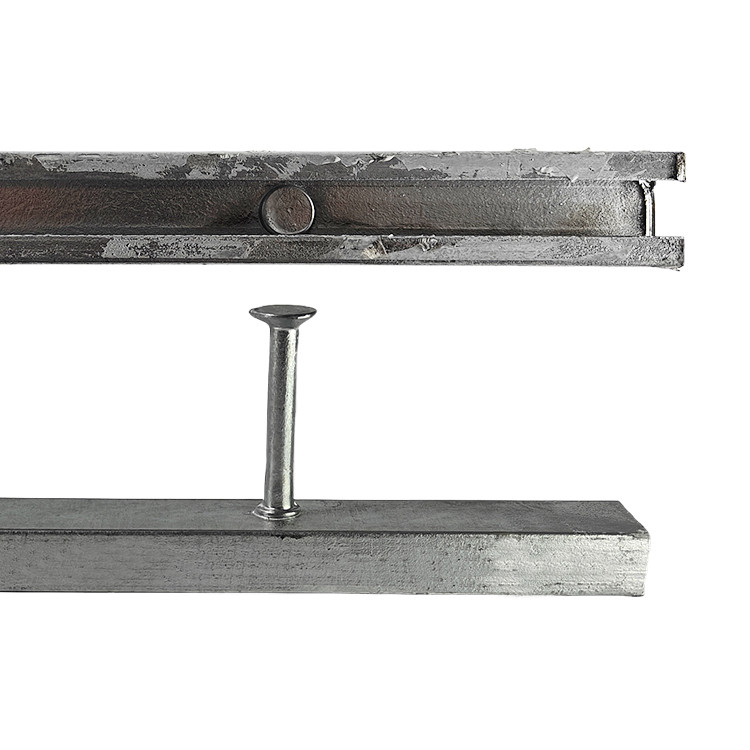
Formwork hardware does more than hold a mold together, it directly affects how much air gets trapped against the casting surface. A well-chosen set of precast concrete accessories reduces the small gaps, misaligned joints, and rough transitions where air pockets tend to collect.
Shuttering Magnets
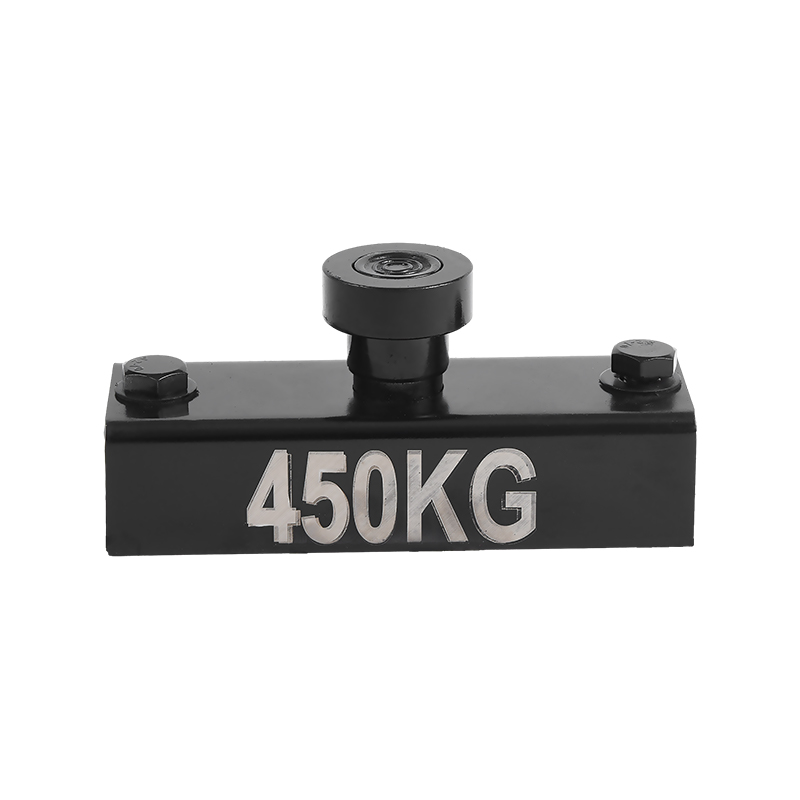
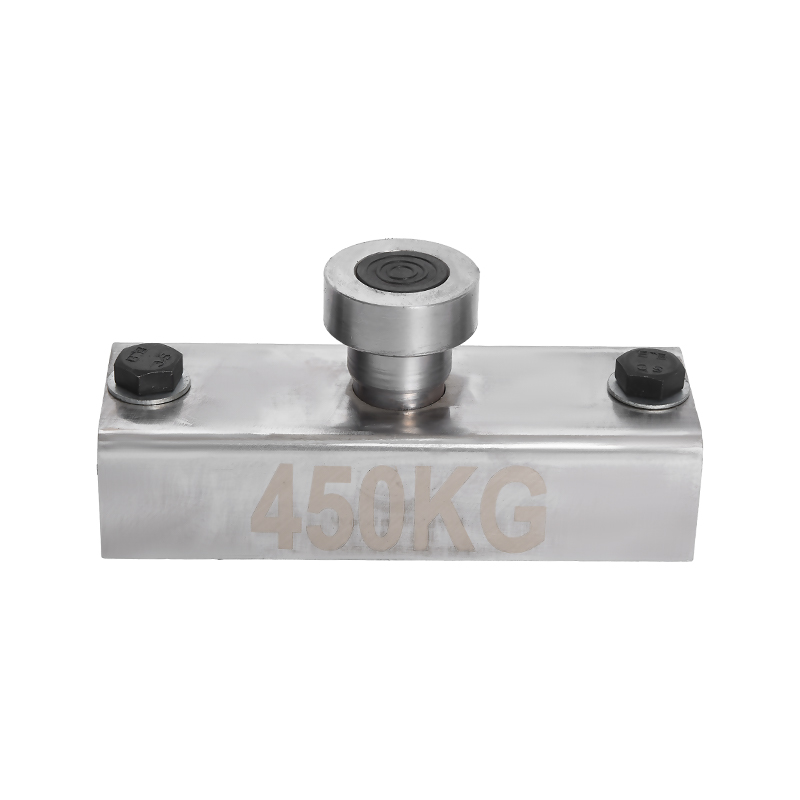
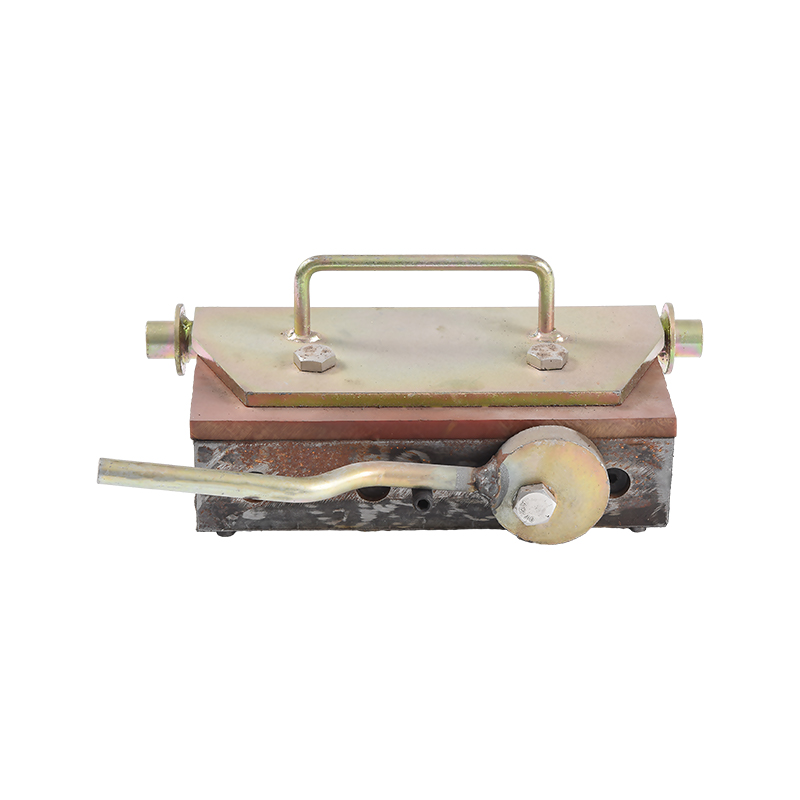
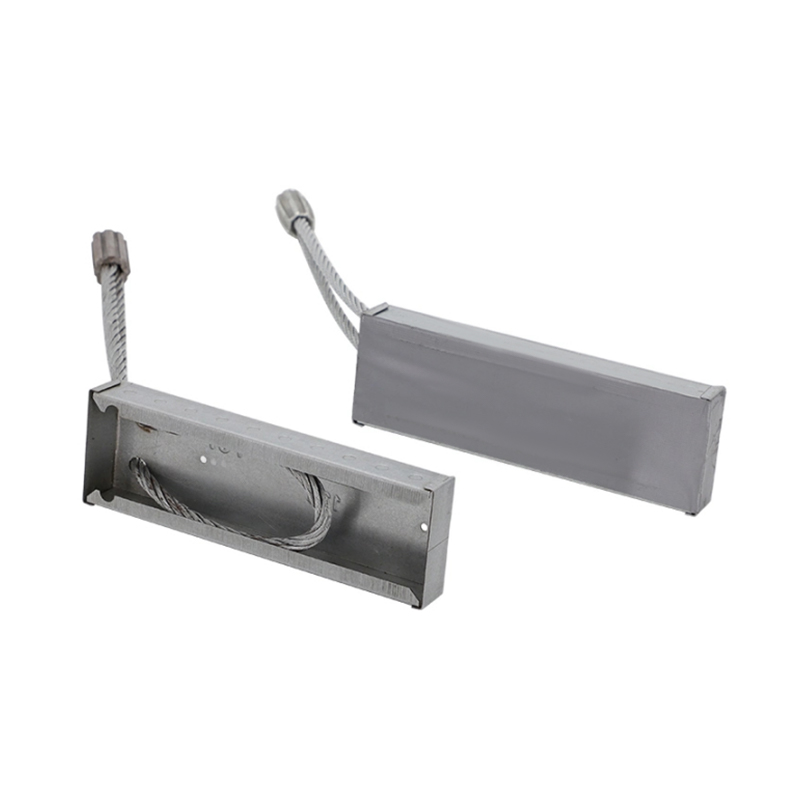
Switchable magnetic boxes hold side rails and profile forms tightly against the steel casting bed, closing off the gaps at the base of the form where trapped air and bleed water otherwise pool and rise unevenly along the wall. Because they clamp and release without hammering or drilling into the bed, they also keep the form face itself free of the dents and pits that create additional bughole nesting points over repeated casting cycles.
Steel Chamfer and Reveal Strips
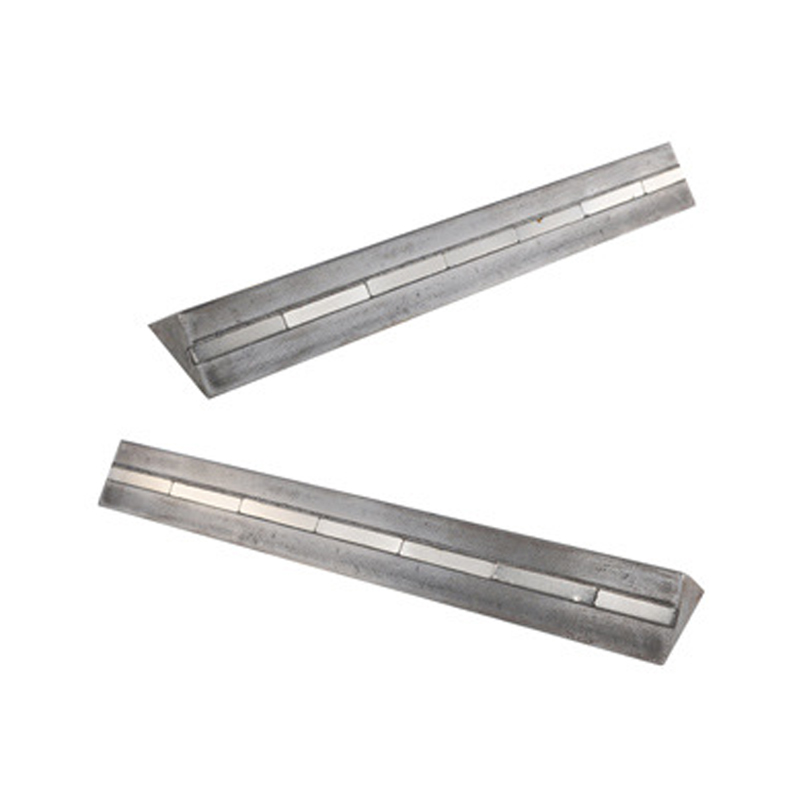
Trapezoid and triangular steel chamfer strips remove sharp 90-degree corners from the casting profile. Sharp internal corners are among the most common bughole cluster points, so eliminating the corner removes the trap and gives escaping air a smoother path along the form.
Formwork Profile Systems
Modular U-profile shuttering systems keep the side mold rigid and flush, avoiding the flexing and micro-gaps at panel joints that let air migrate laterally instead of rising cleanly to the top of the pour. A rigid, well-aligned profile system also holds its shape through repeated vibration cycles, which keeps void patterns consistent from one casting run to the next.
Recess Formers and Anchors
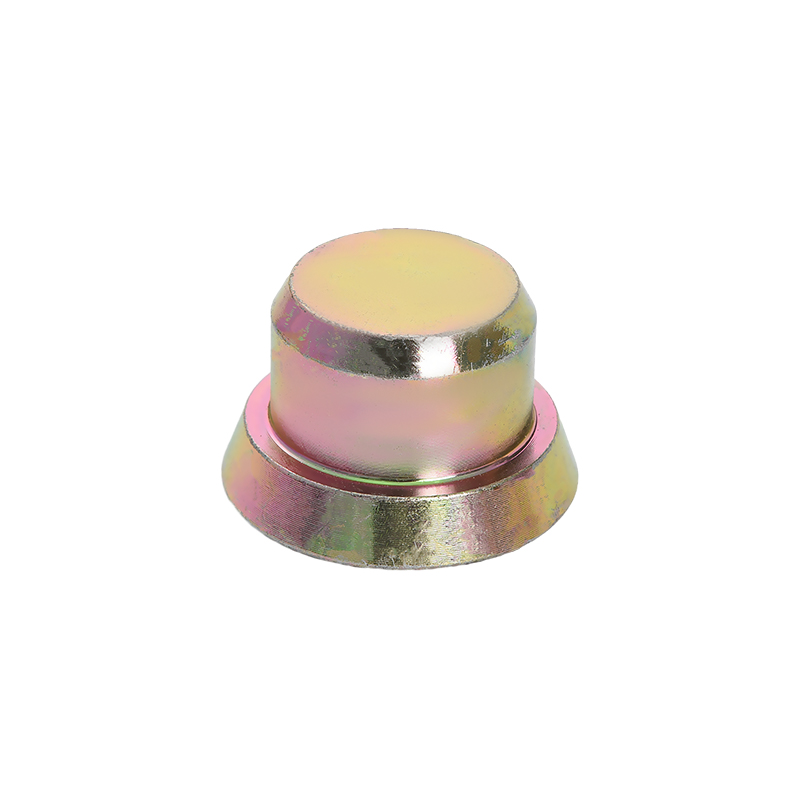
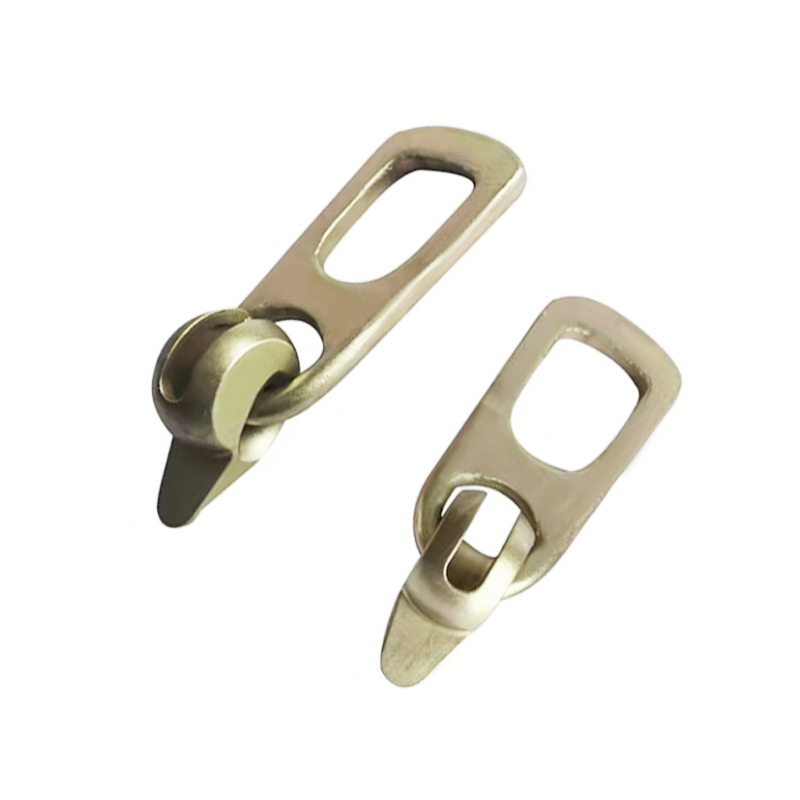
Rubber-coated recess formers around lifting anchors and inserts create a consistent, sealed boundary around embedded hardware, preventing the small voids that commonly form around anchor points during vibration, where the vibrator head often cannot reach as directly as it can on open, flat faces.
Precast yards that standardize on a matched set of formwork accessories generally see fewer bughole complaints than yards mixing improvised clamps and inconsistent form hardware, simply because the casting bed stays tighter and more repeatable from one pour to the next. Consistency across the fleet of molds matters as much as the individual quality of any single accessory, since a plant running ten different clamping methods across ten tables will see ten different void patterns even with an identical concrete mix.
Matching Accessories to the Casting Method
Battery casting, tilt-table casting, and horizontal bed casting each place different demands on formwork accessories. Battery molds, which cast multiple wall panels back to back in a shared frame, depend heavily on shuttering magnets and profile systems to keep every dividing plate perfectly sealed, since even a small gap between plates in a battery mold shows up as a bughole line running the full height of every panel in that batch. Tilt-table and horizontal bed casting have more tolerance for minor formwork variance because the vibrator has more direct access to the open top surface.
Mix Design Adjustments That Reduce Surface Voids
Vibration moves air, but the mix determines how easily that air can travel. A workable, flowing mixture consolidates faster and leaves fewer trapped pockets behind than a harsh, stiff mix.
| Mix Factor | Effect on Bugholes |
|---|---|
| Excess fine aggregate | Increases surface tension and traps more air near the form face |
| Proper cement content | Improves flow and reduces the stiffness that traps entrapped air |
| Flow-enhancing admixtures | Lowers viscosity so air migrates to the surface before initial set |
| Self-consolidating concrete (SCC) | Flows and de-airs largely on its own, cutting bughole counts significantly |
| Rheology-modifying additives | Can stabilize the mix against segregation while still improving flow around trapped air |
SCC has become increasingly common in precast plants specifically because it improves surface finish without adding vibration labor. It is not a universal fix, since SCC mixes are sensitive to slump retention and placement rate, but where surface aesthetics matter most, it is now the industry's preferred direction. Producers switching to SCC for the first time often need a short adjustment period to recalibrate pour rate and formwork pressure, since a flowing mix exerts higher lateral pressure on the form than a conventional mix at the same height.
Aggregate Grading and Paste Content
A well-graded aggregate blend reduces the amount of paste needed to fill the spaces between particles, which in turn reduces the volume of air that has to migrate out of the mix during vibration. Mixes with a gap-graded or poorly proportioned aggregate blend tend to need more paste to achieve workability, and that extra paste volume can trap a proportionally larger amount of entrapped air near the form face.
Form Release Agents: Chemically Reactive vs Barrier Type
The release agent coating the form face changes how easily an air bubble slides free instead of sticking to the wall. Chemically reactive release agents consistently outperform older barrier-type products for bughole reduction.
Chemically Reactive Agents
These agents contain fatty acids that react with free lime on the surface of fresh concrete, forming a thin metallic soap. That slippery film lets air bubbles slide upward along the form face instead of clinging to it, and it also eases stripping once the concrete has cured. Because the reaction happens directly at the concrete-form interface, the film stays thin and consistent, which is part of why these agents outperform thicker barrier coatings on architectural surfaces.
Barrier-Type Agents
Older barrier agents, including heavy motor oil, vegetable oil, or diesel-based products, coat the form with a thicker film. That thicker coating is more likely to be pushed down the form face by flowing concrete, which can fold air pockets into the surface rather than releasing them. Barrier agents remain in use in some yards because they are less expensive than chemically reactive formulations, but the trade-off in surface quality is well documented across the industry.
- Apply the thinnest even coat possible using properly maintained spray equipment.
- Wipe away any pooled excess before pouring, since leftover agent on the form can bubble up during placement.
- Keep forms clean between pours, because residue buildup interferes with the release agent's performance over repeated cycles.
- Recalibrate spray nozzles periodically, since worn tips deliver an uneven, heavier coating that behaves more like a barrier agent even when a reactive product is being used.
Pour Rate and Placement Method
How fast concrete goes into the form matters almost as much as how it is vibrated once it is there. A pour that moves too quickly does not give entrapped air time to escape before the next lift buries it.
Discharge height. Keep the vertical drop between the discharge point and the form as short as practical. A longer free-fall distance entrains extra air into the mix on the way down.
Fill speed. A smooth, moderately paced fill rate lets air escape as the level rises, rather than sealing pockets beneath fresh layers of concrete.
Slump retention. Verify the mix keeps enough workability through the entire placement and finishing window, since a mix that stiffens mid-pour traps more air than one that stays consistent.
Lift thickness. Placing concrete in manageable lifts rather than one deep pour gives the vibrator a realistic chance to reach and de-air every layer, including where it overlaps the layer below.
Placement crews working under time pressure to finish a batching run often speed up the pour rate near the end of a shift, and this is exactly when bughole rates tend to climb. Building placement rate targets into the daily production schedule, rather than leaving pour speed to individual crew judgment, keeps this factor consistent across the day.
Temperature and Seasonal Effects on Bubble Formation
Ambient and mix temperature both change how quickly concrete stiffens, which changes how much time entrapped air has to escape before the surface sets.
Hot Weather Conditions
Warm concrete sets faster, shortening the window during which vibration can still move trapped air to the surface. Crews working in hot conditions often need to tighten up their placement-to-vibration sequence and avoid any delay between lifts, since a lift that sits too long before the next one goes on top will have already begun stiffening by the time the vibrator reaches it.
Cold Weather Conditions
Cold concrete stays workable longer, which can actually help reduce bugholes if placement and vibration are managed correctly, but it also slows the rate at which bleed water and air separate from the paste. In cold conditions, crews sometimes mistake a slower-setting mix for one that needs less vibration, when in practice the same insertion time and overlap discipline still apply.
Regardless of season, a consistent concrete temperature at the point of placement, controlled through aggregate storage, mix water temperature, and batching schedule, produces more predictable bughole patterns than a plant that lets ambient conditions swing the mix temperature from one pour to the next.

Common Mistakes That Make Bugholes Worse
A handful of recurring habits show up again and again in plants struggling with heavy bughole counts, and most of them are easier to correct than a full mix redesign.
- Vibrating only the top of the pour. Skipping insertion points lower in the form leaves entrapped air stranded well below the surface.
- Reusing forms with a buildup of old release agent and hardened paste residue, which roughens the surface and creates new nesting points for air.
- Letting concrete sit in the mixer or transport equipment longer than planned, which allows some initial air separation to begin before the mix even reaches the form.
- Switching release agent brands or batches without re-testing coverage rate, since spray equipment calibrated for one product can under- or over-apply a different one.
- Assuming a higher-slump mix needs less vibration, when in practice a flowing mix still needs full insertion time to release deeper entrapped air, just with less physical effort per insertion.
Quality Control Checklist Before Every Pour
Plants that keep bughole rates consistently low tend to run through the same short checklist before every casting cycle, rather than relying on individual crew experience alone.
1
Confirm formwork accessories, including shuttering magnets and profile joints, are seated tightly with no visible gap along the casting bed.
2
Verify release agent coverage is thin, even, and free of pooled excess before concrete is discharged.
3
Check that the concrete slump matches the target for the mix design, since a mix arriving outside spec changes how vibration needs to be handled.
4
Brief the placement crew on discharge height and fill rate for the specific product being cast that day.
5
Confirm vibrator equipment is functioning at the correct frequency and that backup units are available in case of a mid-pour failure.
Repairing Bugholes on Hardened Concrete
Not every panel comes out of the form void-free, and repair is a normal part of finishing exposed precast. The process is straightforward when done in the right order.
1
Surface preparation. Clean and lightly dampen the affected area, removing any dust, release agent residue, or loose material from inside each void before patching.
2
Patch material match. Use a repair mortar matched to the base concrete's color and aggregate so patched areas do not stand out under raking light once cured.
3
Application timing. Repair as soon as practical after stripping, since fresh voids are easier to clean out and the surrounding concrete has not yet fully hardened around any loose material.
4
Curing. Keep the patched area moist during initial curing to avoid shrinkage cracking around the repair, which can create a second, more visible defect.
Small, pin-sized bugholes on non-exposed surfaces are frequently left unpatched, since they carry no structural consequence. Repair effort is generally reserved for architectural faces, sound walls, and any panel where appearance is part of the specification. On projects with a defined finish standard, it helps to agree on an acceptable void size and density with the client before production begins, so that finishing crews are working toward a clear target rather than guessing at an acceptable level of touch-up.
Bugholes vs Entrained Air: Two Different Things
It is worth separating bugholes from intentionally entrained air, since the two are sometimes confused. Entrained air consists of microscopic bubbles added on purpose using surfactant admixtures to improve freeze-thaw durability, and it is a designed feature rather than a defect. Bugholes, by contrast, come from entrapped air that was never meant to stay in the mix and simply failed to escape during consolidation. A precast specification calling for entrained air in a cold-climate project is addressing a durability requirement that has nothing to do with surface bughole control, and reducing entrained air content in an attempt to fix bugholes can undermine the durability performance the mix was designed to deliver.
Frequently Asked Questions
Are concrete bubbles a sign of weak concrete?
No. Bugholes are a surface aesthetic issue and are not considered detrimental to structural performance. A panel full of small surface voids can still meet its design strength, though heavy void clustering combined with other defects such as honeycombing is worth a closer look.
What is the fastest way to reduce bugholes on a new pour?
Correct vibration technique gives the fastest improvement of any single change. Extending insertion time to the 5-15 second range and slowing withdrawal to roughly 3 seconds per vertical foot addresses the leading cause without changing mix design or formwork.
Do precast concrete accessories really affect bubble formation?
Yes. Formwork hardware such as shuttering magnets, steel chamfer strips, and profile systems control how tightly the mold seals against the casting bed and how sharp the internal corners are, both of which change how much air becomes trapped during the pour.
Can a mix design change eliminate bugholes completely?
A flowing, well-proportioned mix or self-consolidating concrete significantly reduces bughole counts, but complete elimination is difficult to guarantee across every casting condition. Most plants combine mix improvements with vibration and release agent control rather than relying on one fix alone.
Is it better to prevent bugholes or repair them afterward?
Prevention is almost always more cost-effective. Repairing bugholes on cured architectural panels takes labor, matched patch material, and careful curing to avoid a visible mismatch, while prevention through vibration, mix design, and formwork accessories addresses the issue before it becomes a finishing cost.
Why do bugholes appear mostly near the top of a vertical pour?
Escaping air travels the farthest distance to reach the top of a tall vertical pour, and along the way individual bubbles combine with others they meet, forming larger clusters near the upper portion of the form where they are more likely to be trapped before the surface sets.
Does the type of formwork material change how many bugholes form?
Yes. Nonpermeable materials such as steel and coated plywood trap more air at the surface than more permeable form materials, and impermeable forms typically require more thorough vibration to achieve the same bughole reduction.
Can too much vibration cause surface problems as well?
Over-vibration can cause segregation, where heavier aggregate settles and lighter paste rises to the surface, which creates its own set of finishing problems separate from bugholes. Controlled, consistent insertion and withdrawal timing avoids both under- and over-vibration.
Should hot or cold weather change how a crew handles vibration?
The core insertion and withdrawal technique stays the same in any season, but hot weather shortens the working window before the mix stiffens, so crews need to keep placement and vibration moving without delay. Cold weather extends workability but should not be treated as a reason to reduce vibration effort.