English
 Español
 русский
 日本語
日本語
 عربى
عربى

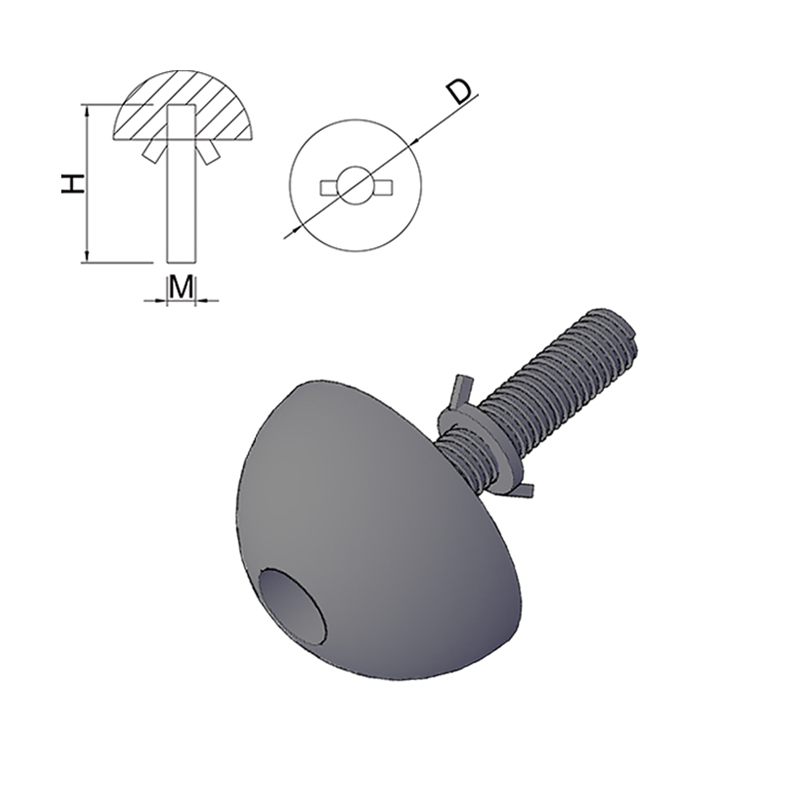
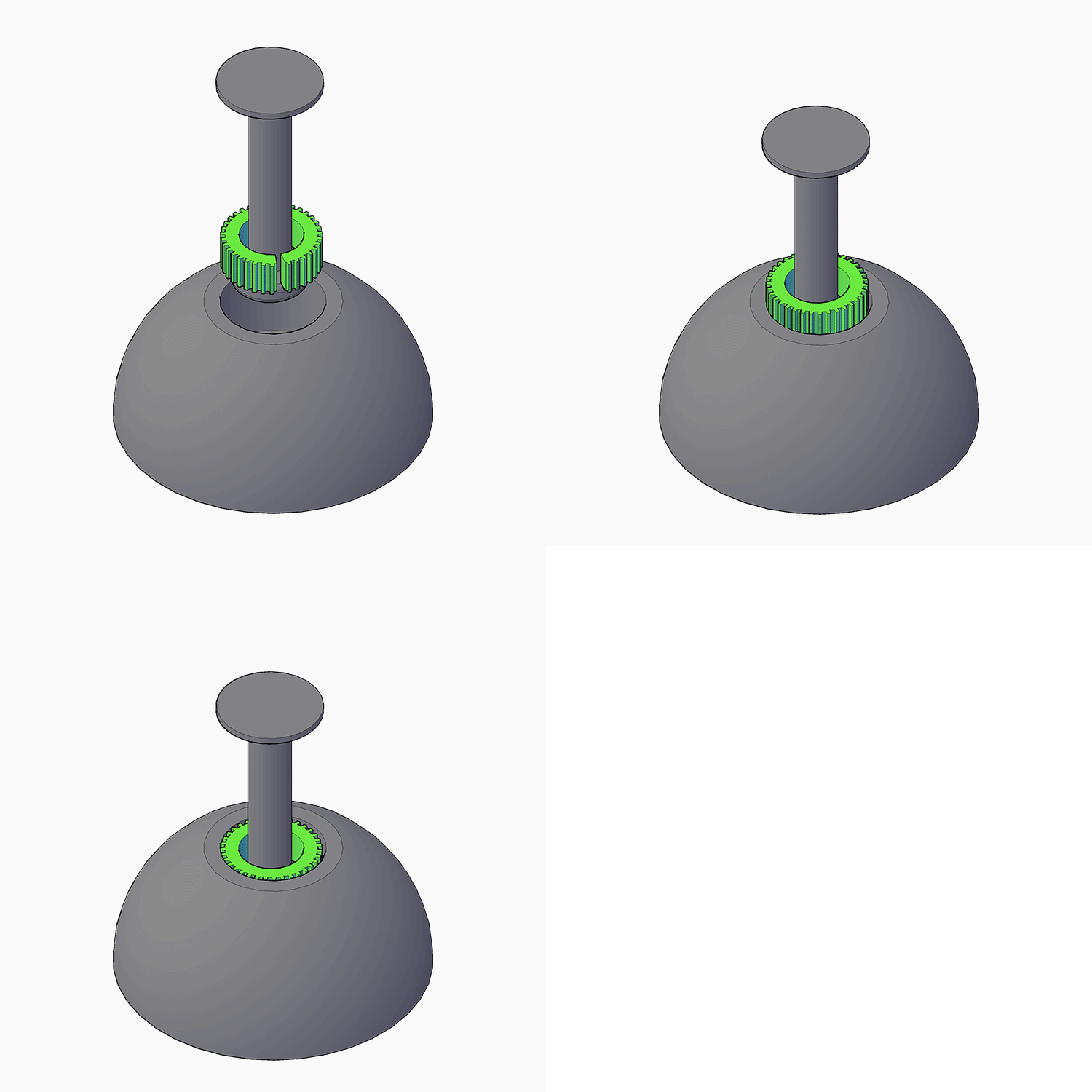
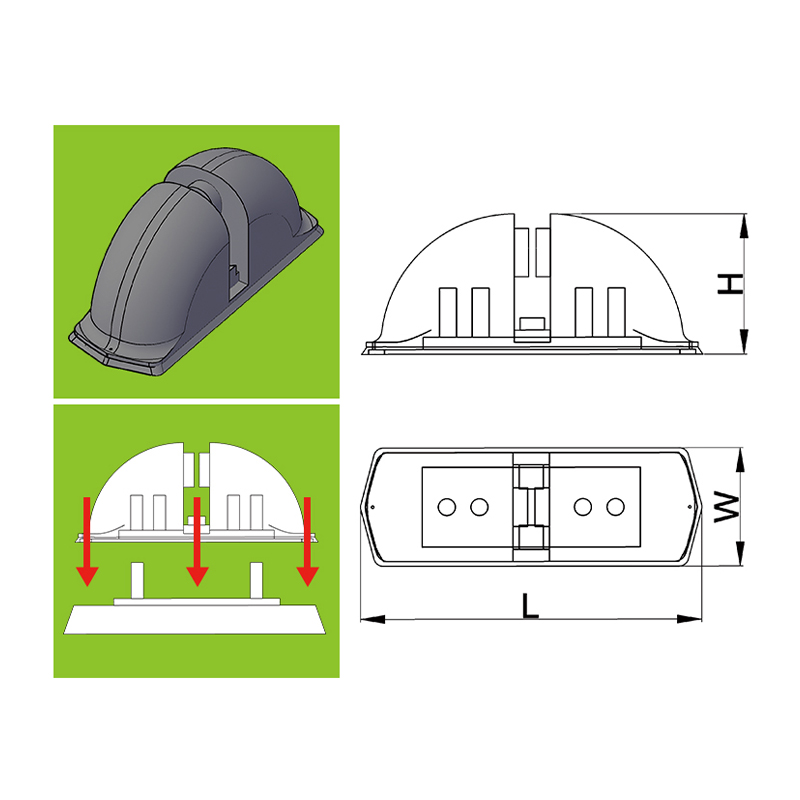
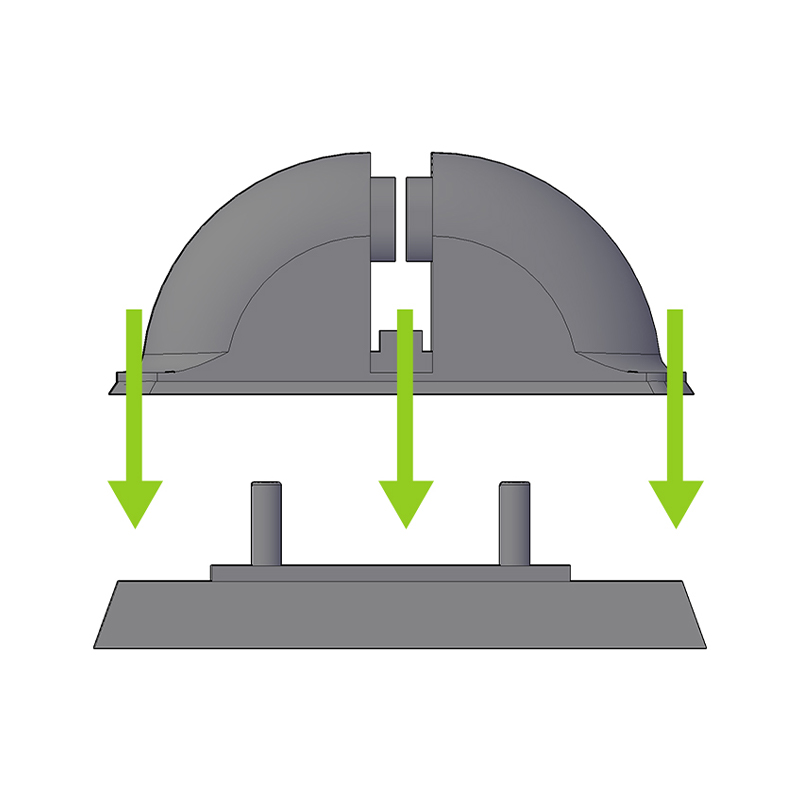
In the precast concrete industry, precise and clean bolt pocket formation is a critical step that directly impacts the structural integrity and finishing quality of panels, beams, and columns. Magnetic Recess Former — also called magnetic void formers or magnetic cone formers — serve as the modern solution for creating these recesses, replacing outdated foam inserts and mechanical anchors. Mounted directly onto steel formwork through powerful permanent magnets, they hold firm during vibration and pouring, then release cleanly to leave a perfectly shaped pocket. At Ningbo Wewin Magnet Co., Ltd, we have been manufacturing and supplying these components to precast plants and construction hardware distributors worldwide, drawing on deep in-house R&D capability and an international sales team that operates without intermediaries.
How Magnetic Recess Formers Actually Work in Production
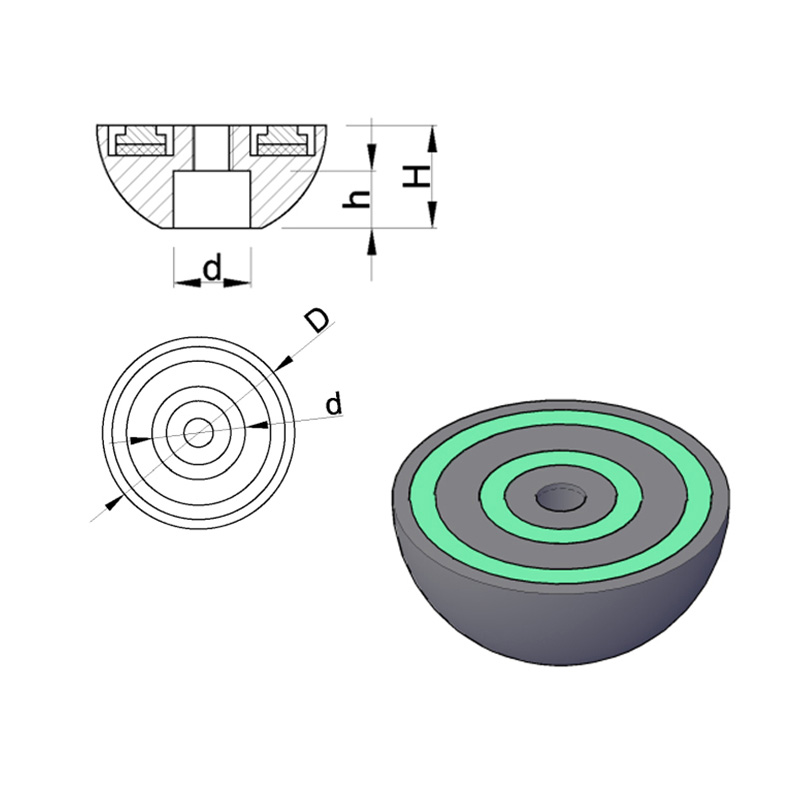
A magnetic recess former consists of three core elements: a high-energy permanent magnet (typically NdFeB or ferrite), a steel housing that channels and concentrates the magnetic flux, and a polymer or rubber cone/cap that defines the recess geometry. When placed on a steel mold table, the magnet adheres with a pull force ranging from 50 N to over 200 N depending on the model, keeping the former locked in position even under the intense vibration of concrete consolidation.
After the concrete cures and the form is stripped, the former is simply lifted off the steel table — no tools, no residue, no damage to the mold surface. This cycle can repeat thousands of times per unit, which is why the quality of both the magnet grade and the housing tolerance matters so much in practice.
Typical Magnetic Pull Force by Housing Size
Pull force values are indicative; actual performance depends on mold surface flatness and steel thickness.
Choosing the Right Magnet Grade and Housing Material
The magnet grade and housing material are the two variables that most precast engineers overlook when specifying formers. Using an undersized magnet on a thick mold table leads to displacement during vibration — a costly problem that shows up as misaligned bolt pockets and rejected panels.
NdFeB (Neodymium) Grade
- Highest energy product (up to N52)
- Best for thin mold tables (8–15 mm)
- Requires corrosion-resistant coating
- Temperature limit: typically 80°C
Ferrite Grade
- Lower cost, corrosion-resistant
- Suitable for thicker mold tables
- Stable up to 250°C
- Heavier for same flux output
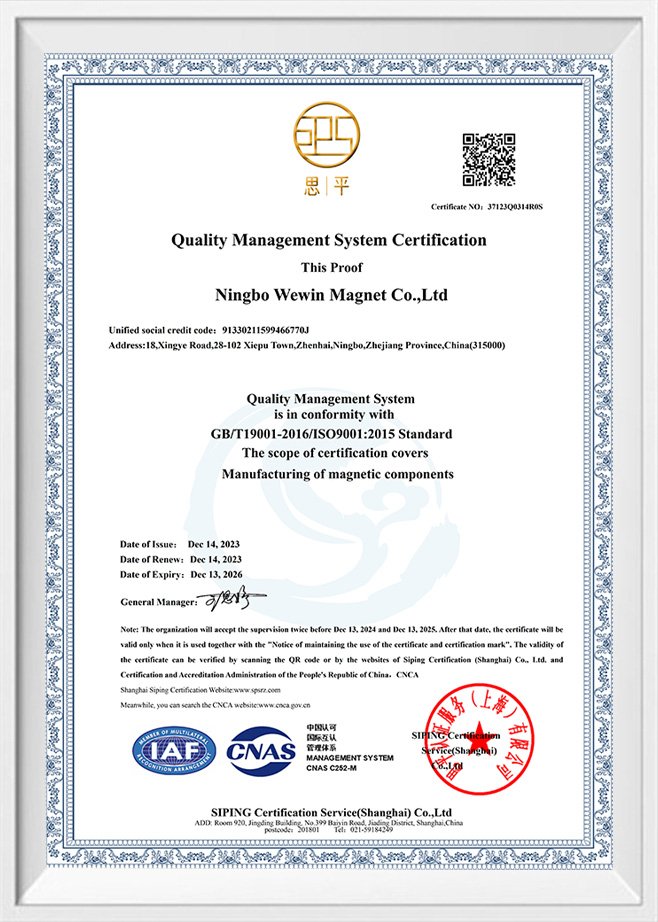
At Ningbo Wewin Magnet Co., Ltd, because we handle both magnet production and assembly in-house, we can match the correct grade to each customer's mold specification without guesswork. Customers who send us engineering drawings or a physical sample receive a production-ready proposal — typically within one business day on working days.
| Housing Material | Impact Resistance | Chemical Resistance | Typical Service Life |
|---|---|---|---|
| ABS Polymer | Medium | High | 500–800 cycles |
| Nylon (PA66) | High | High | 800–1,500 cycles |
| Steel + Rubber Cap | Very High | Medium | 2,000+ cycles |
Where Magnetic Recess Formers Are Used Across the Precast Industry
Magnetic recess formers appear across a broader range of precast applications than most buyers initially expect. The core demand comes from:
- Hollow-core slabs and floor panels — lifting anchor pockets along the top face
- Precast columns and beams — connection sleeve pockets for structural joints
- Facade and cladding panels — back anchor recesses for bracket systems
- Retaining wall elements — tie-back rod pockets
- Tunnel segments — bolt pockets for ring assembly
Estimated Usage Distribution by Application Segment (%)
Based on sales segment data from Ningbo Wewin's export orders, 2022–2024.
The tunnel segment application deserves special mention — it demands extremely tight positional tolerance (often ±1 mm) because bolt pockets must align across multiple ring segments. In these cases, Wewin's engineering team works from customer CAD drawings to confirm magnet sizing before production begins.
Installation Speed and Workflow Impact
One of the most tangible reasons precast plants switch to magnetic recess formers is cycle time. A trained operator can position and remove a magnetic former 3–5 times faster than threading and unthreading a mechanical anchor system. On a production line running 40–60 panels per shift, this time savings becomes significant.
Average Time per Recess Formation (seconds/unit)
Magnetic systems show stable low cycle times; mechanical systems plateau due to thread wear.
The productivity gain is not just about speed. Magnetic formers also reduce consumable costs — no replacement foam inserts, no corroded threaded rods, no mold surface damage from pry tools. A well-maintained set of magnetic formers from Wewin can run over 2,000 production cycles before any performance degradation is observed.
Custom-Designed Formers: From Drawing to Production
Standard catalog sizes cover most applications, but precast projects regularly demand non-standard recess geometries — tapered cones for countersunk bolt heads, rectangular formers for plate connections, or stepped profiles for multi-depth pockets. This is where manufacturing capability matters.
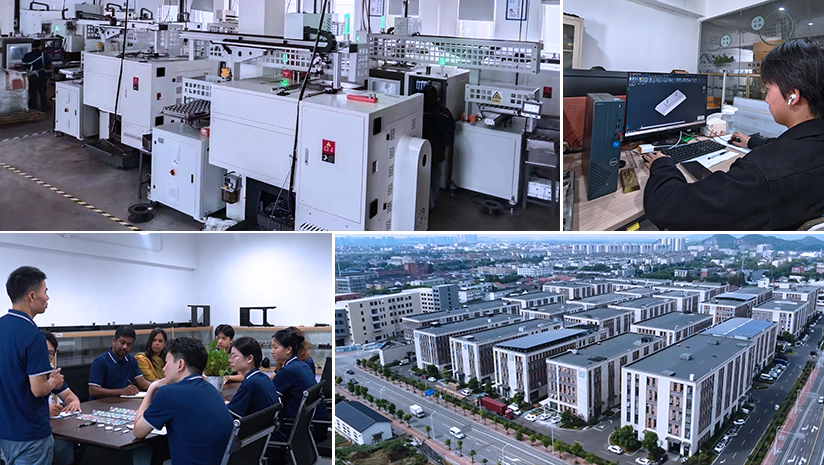
Ningbo Wewin Magnet Co., Ltd operates its own tooling and injection molding department alongside the magnet production line, which means we can develop and produce custom magnetic recess formers directly from the drawings or samples provided by customers — without outsourcing the housing to a third party. Lead time for a new mold is typically 15–20 working days from drawing approval, with production samples submitted for customer sign-off before any bulk run.
Manufacturer Capability Radar: Wewin vs. Typical Distributor
Capability scoring is relative; chart illustrates vertical integration advantage of a direct manufacturer.
Quality Control Points That Matter in Production
Not all magnetic recess formers perform equally even within the same nominal specification. Key quality checkpoints that Wewin applies before shipment include:
- Pull force measurement on a calibrated test fixture — every batch sampled at a minimum 5% rate
- Housing dimensional check against customer-approved drawings (±0.3 mm tolerance standard)
- Magnet coating adhesion test for NdFeB grades destined for humid or tropical environments
- Cycle durability test — random units pulled and replaced 200 times to verify no flux degradation
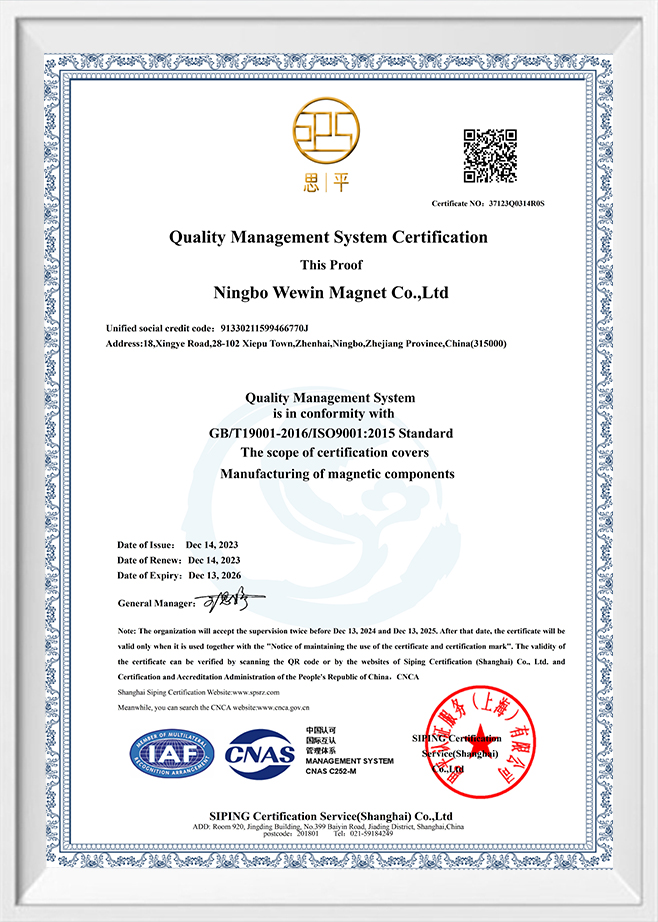
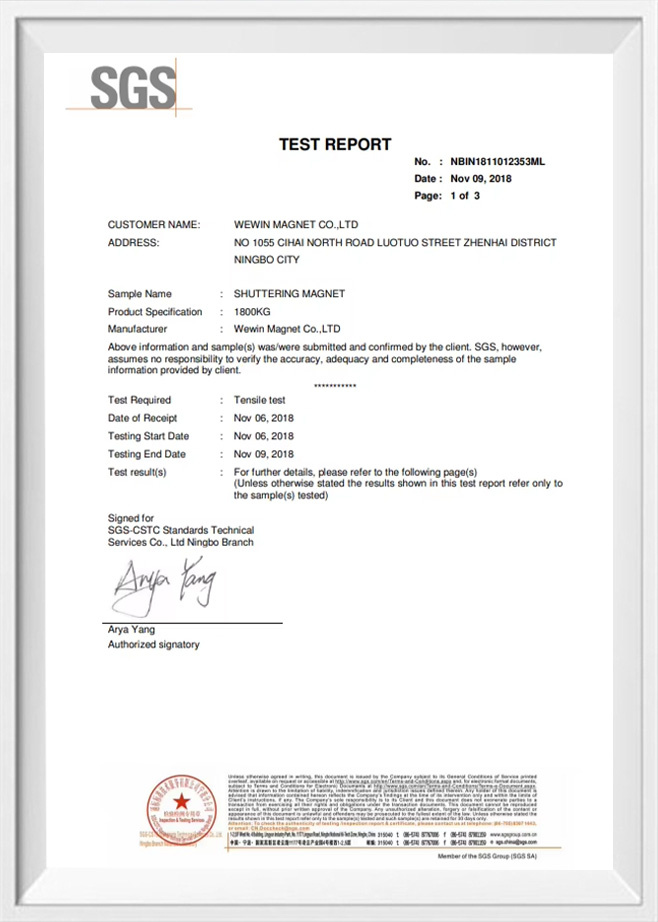
Buyers sourcing through trading companies often lack visibility into these checkpoints. Because Wewin sells directly through its own international sales department, technical documentation, test reports, and material certifications can be provided on request without routing through a middleman.
Common Questions from Precast Engineers and Procurement Teams
Will the magnet lose strength over time?
Permanent NdFeB and ferrite magnets used in well-made formers lose less than 1% of their flux over 10 years under normal operating conditions. The main risk is mechanical shock — a dropped former can cause internal cracking. We recommend not stacking formers more than three high during storage.
What mold table thickness is required?
Most magnetic recess formers are designed for steel mold tables between 8 mm and 25 mm thick. For tables outside this range, the magnet grade or housing design must be adjusted. Wewin's team will ask for mold table steel grade and thickness as part of any custom inquiry.
How fast can Ningbo Wewin respond to an inquiry?
Wewin's international sales team will reply to every inquiry within 24 hours on working days. For standard catalog items, quotations typically include lead time confirmation and packaging details. For custom projects requiring tooling, an NDA and drawing review can happen in the same communication window.
Can I send a physical sample instead of a drawing?
Yes. Wewin regularly reverse-engineers existing formers for customers replacing a discontinued product or improving on a competitor's design. Send the sample with the quantity requirement and your target price range, and the engineering team will provide a feasibility assessment and quote.
What is the minimum order quantity?
For standard sizes, MOQ is flexible and can be discussed based on project volume. For custom tooling projects, a tooling charge applies and is amortized over an agreed production run — typically starting from 500 units per SKU. Contact the sales team to discuss your specific project scale.
How do I release the former if it gets stuck in the concrete?
This is almost always caused by concrete bleeding into the gap between the former and the mold surface. The solution is a thin silicone or PTFE release agent applied to the mold table before casting. Properly applied, release agents extend mold cleanliness and former service life simultaneously.