English
 Español
 русский
 日本語
日本語
 عربى
عربى

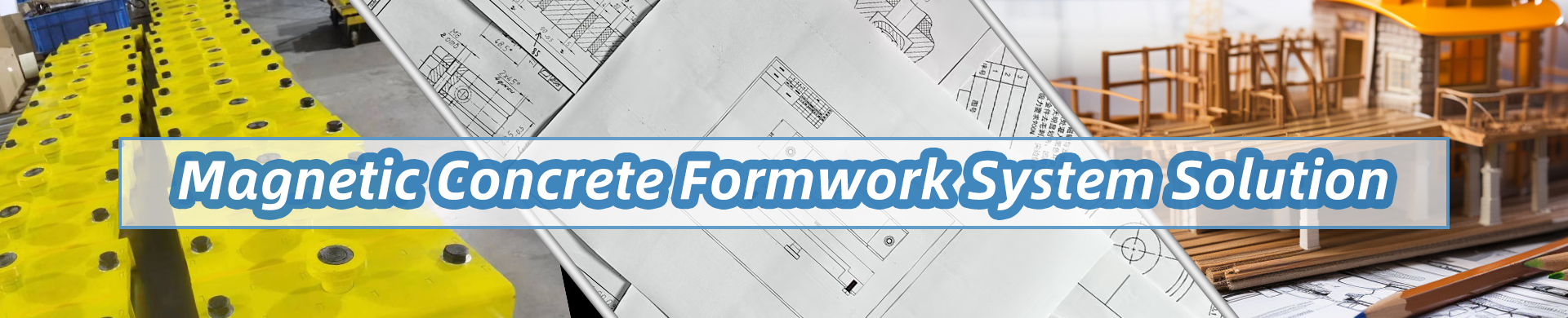
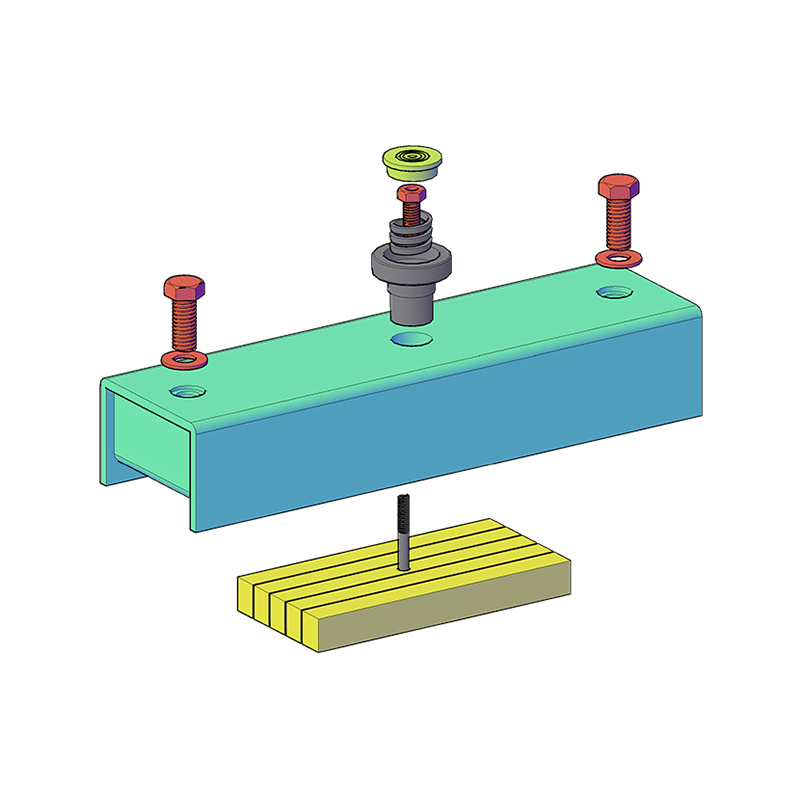
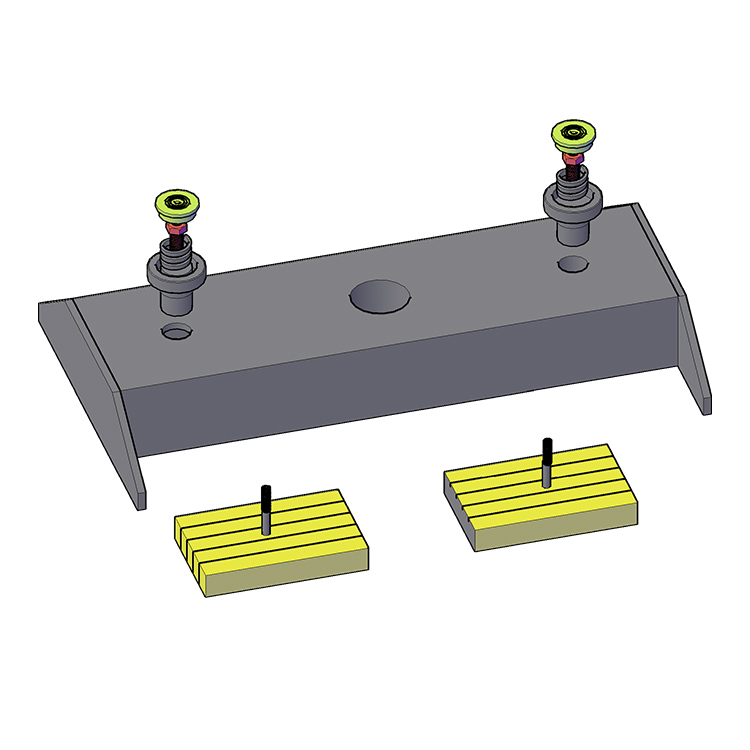
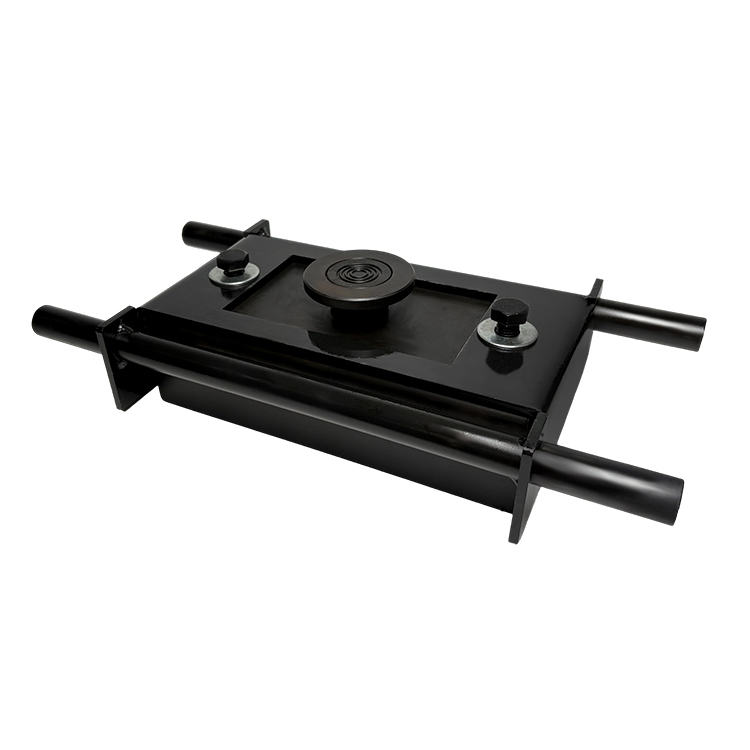


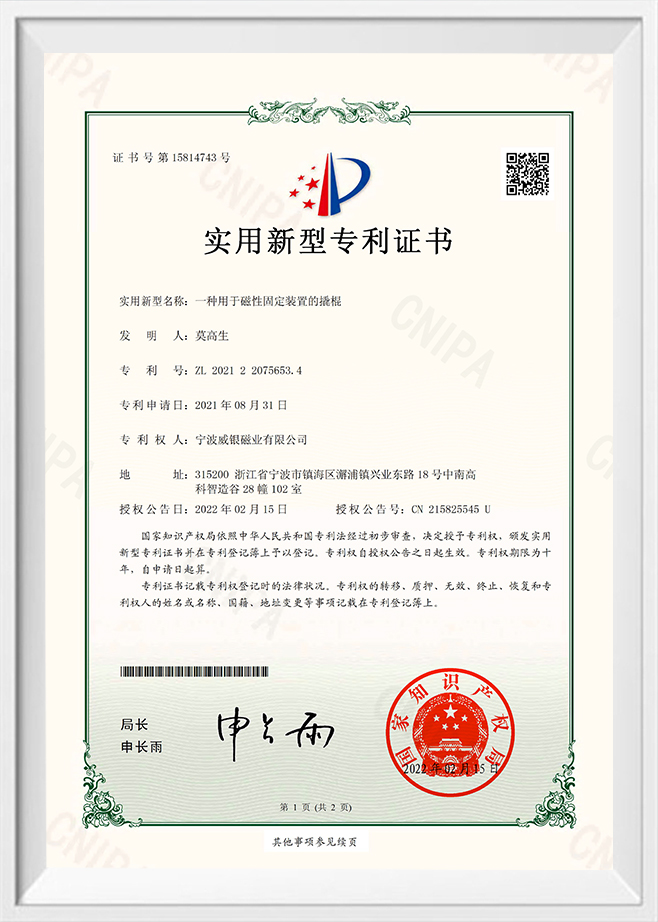
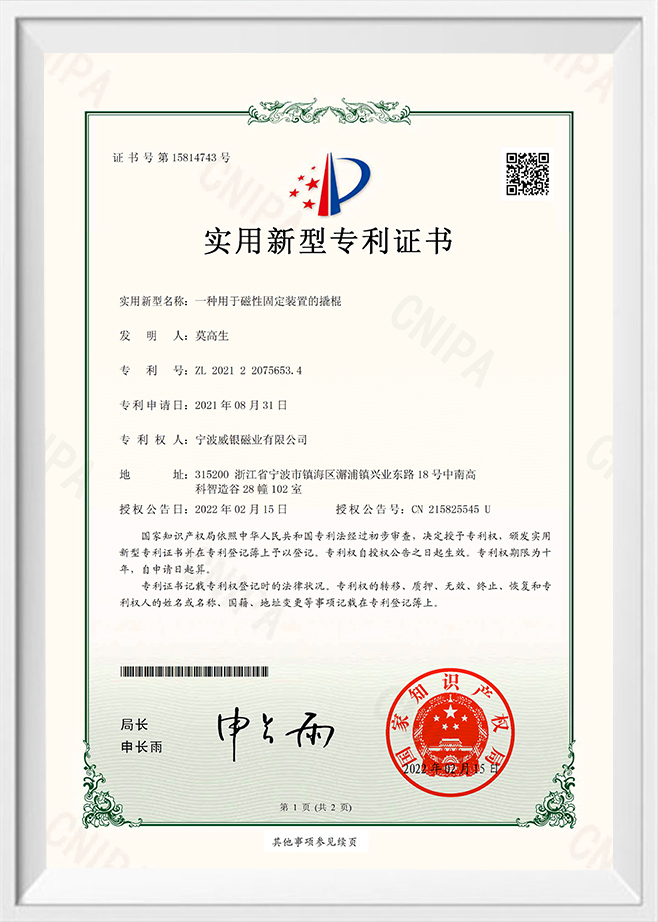
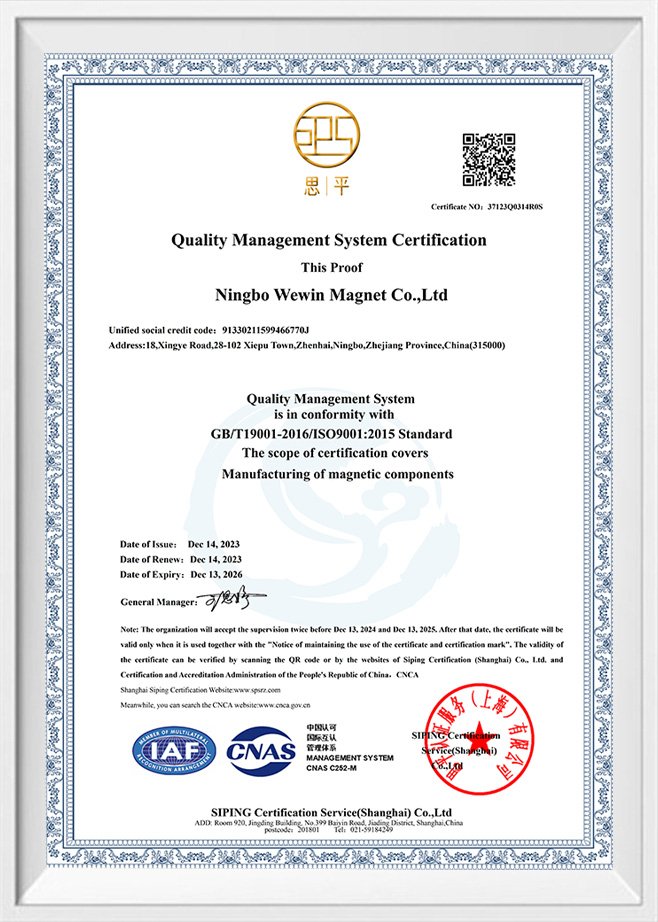


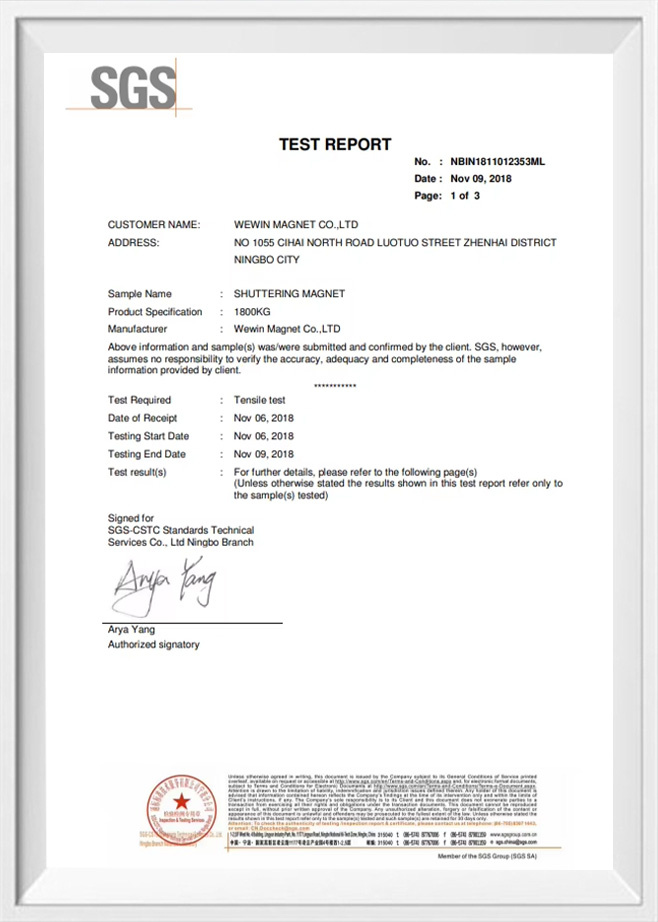
In modern precast concrete production, shuttering magnets have fundamentally changed how formwork is assembled, positioned, and released on steel pallets. A magnet shuttering system replaces mechanical clamps, bolts, and welded rails with high-retention permanent magnets — typically built around neodymium cores — that grip steel formwork tables with forces ranging from 600 kg to over 2,500 kg depending on the unit. The result is a flexible, reusable, and dimensionally precise solution used across wall panels, hollow-core slabs, double-tee beams, staircases, and custom architectural elements. As a manufacturer based in Ningbo, China, Ningbo Wewin Magnet Co., Ltd has supplied shuttering magnets and complete magnet shuttering systems to precast concrete factories across Asia, Europe, and the Middle East — shipping directly from the factory floor to project sites worldwide.
How a Magnet Shuttering System Actually Works
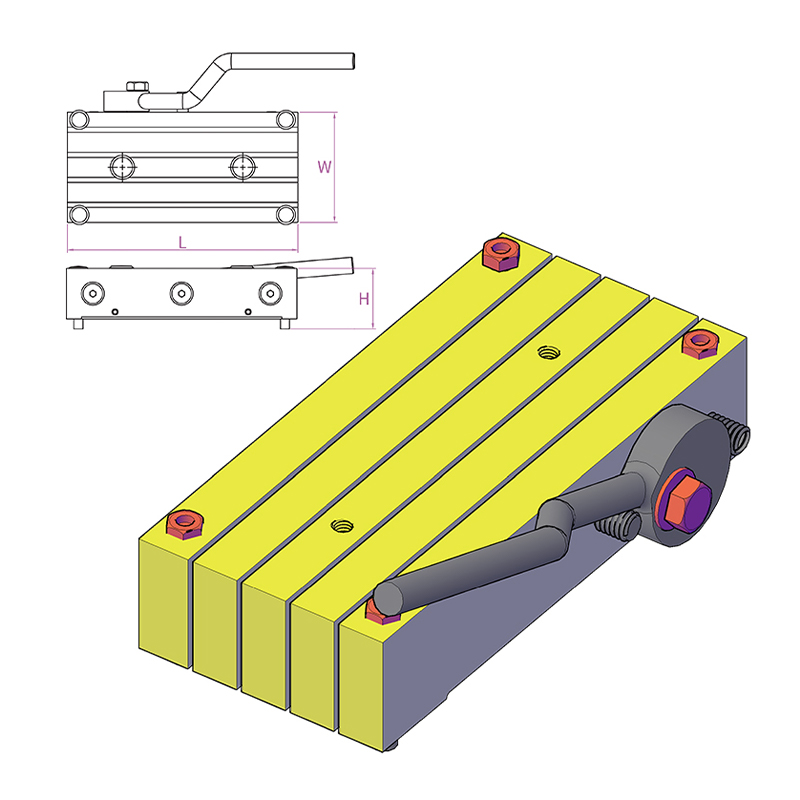
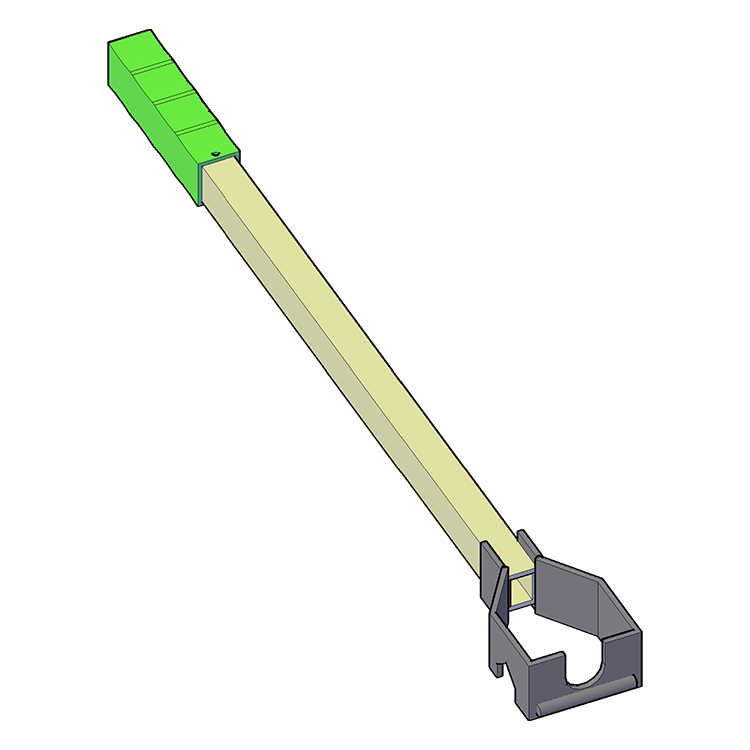
The operating principle sounds simple: a permanent magnet is locked or released by rotating an internal pole-reversal mechanism with a standard Allen key or a dedicated release tool. When locked, the magnetic flux routes down through the steel table — holding force is at its maximum. When released, the internal poles are realigned so flux loops back within the housing, dropping the external holding force to near zero.
What makes this practical in a production environment is the repeatability. A well-manufactured shuttering magnet can be cycled thousands of times without measurable loss of holding force. At Ningbo Wewin Magnet Co., Ltd, our internal test protocol cycles each unit 10,000 times before it leaves the factory — real-world precast plants typically reach 3,000–5,000 cycles per year, meaning a quality magnet should last three to five production years under continuous use.
The magnet housing is almost always cast or machined from high-grade steel, and the bearing surfaces are hardened and ground to tolerances within ±0.05 mm. That precision matters because the formwork sitting on top of the magnet must not rock or shift during concrete pour; even a 0.3 mm gap under a side rail can cause bleed-out and dimensional non-conformance.
Typical Holding Force by Magnet Class (kg)
Figure 1 — Approximate holding force range across standard shuttering magnet classes
Choosing the Right Shuttering Magnet: Parameters That Actually Matter
Too many buyers focus exclusively on the nameplate holding force and overlook parameters that have a bigger impact on day-to-day performance. Here is how experienced precast engineers evaluate a magnet shuttering system:
Steel Table Thickness
Magnets are rated on a specific table thickness, usually 10 mm or 15 mm. Using a 600 kg magnet on an 8 mm table may yield only 420–480 kg actual force. Always request the force-vs-thickness curve from the supplier.
Release Torque
A magnet that requires over 25 N·m to release is a productivity killer on a high-cycle line. Some designs incorporate a lever-action handle to reduce operator fatigue by 30–40%.
Magnet Height Profile
Lower-profile magnets (under 40 mm tall) allow thinner concrete cross-sections. High-profile units provide better side formwork contact surfaces. Match the profile to your minimum slab thickness.
| Application | Recommended Force | Typical Table Thickness | Suggested Magnet Count/m |
|---|---|---|---|
| Standard wall panels | 600 – 900 kg | 10 – 12 mm | 2 – 3 |
| Heavy facade elements | 1,200 kg | 12 – 15 mm | 3 – 4 |
| Staircase / complex geometry | 900 – 1,200 kg | 10 – 15 mm | 4 – 6 (corner units) |
| Double-tee beams | 1,200 – 2,500 kg | 15 mm+ | 2 – 3 (heavy) |
From Traditional Clamps to Magnet Shuttering Systems: A Production Efficiency Comparison
The adoption curve for magnet shuttering systems in large precast factories has been steep. Plants that switched from mechanical clamp systems report consistent gains across several measurable KPIs:
Average Formwork Setup Time per Panel (minutes) — Before vs After Magnet System
Figure 2 — Illustrative trend based on reported data from precast plants adopting magnet shuttering systems
The ~57% reduction in setup time shown above is consistent with what Ningbo Wewin's clients report in factory audits. The time saved comes mainly from eliminating manual bolt torquing, reducing rail repositioning steps, and enabling a single operator to set a full panel boundary rather than a two-person crew. Over a 250-day production year with 8 panels per day, that saving compounds to over 1,600 labor hours annually for a single casting bed.
Quality Benchmarks: What Separates a Good Shuttering Magnet from a Poor One
The market for shuttering magnets has expanded quickly, and so has the range of quality. There are units selling for under $15 per piece and units at $80+. The difference is not just brand markup — it reflects genuine engineering choices. Here is a radar comparison of key performance attributes:
Figure 3 — Qualitative radar comparison; ratings normalized to 0–10 scale based on factory test data and client feedback
The most commonly cited failure mode in low-grade shuttering magnets is housing deformation — the steel shell distorts after heavy impact or repeated high-load releases, which throws the bearing surface out of flat and causes formwork gaps. Ningbo Wewin sources Q345B structural steel for housings and heat-treats critical components to HRC 40–45 hardness. That single material decision accounts for most of the cycle-life difference visible in the radar above.
Ningbo Wewin Magnet Co., Ltd — Factory Capability and Supply Chain Position
Ningbo Wewin Magnet Co., Ltd operates manufacturing and assembly lines in Ningbo, China — one of the country's largest port cities and home to a deep ecosystem of magnet, steel, and precision machining suppliers. This geographic advantage translates into shorter lead times and more competitive ex-works pricing than factories located inland.
10,000+
Cycle test before shipment (per unit)
±0.05 mm
Bearing surface flatness tolerance
Direct
Factory-to-doorstep shipping, no middleman markup
The R&D team at Wewin collaborates directly with precast concrete parts factories in Zhejiang and Jiangsu provinces — meaning product refinements are validated in actual production environments, not just test rigs. When a factory reports that a magnet's release torque crept up after 2,000 cycles in wet-room conditions, that feedback feeds back into the next batch's bearing seal specification. This loop between manufacturer and end-user is less common than it should be in the magnetic tools sector.
5-Year Total Cost of Ownership — Magnet System vs Mechanical Clamp System (USD, per 10-meter casting bed)
Figure 4 — Illustrative 5-year TCO breakdown; labor cost based on 2-operator vs 1-operator setup crew at regional wage rates
Frequently Asked Questions
Q: What is the minimum steel table thickness for shuttering magnets to work reliably?
Most standard shuttering magnets are tested and rated on 10 mm or 12 mm steel pallet surfaces. If your casting table is thinner — some older European lines use 8 mm sheet — you will see a force reduction of roughly 15–25% versus the nameplate rating. Always request the manufacturer's force-vs-thickness data curve and recalculate your safety factor. Ningbo Wewin provides this data for every product in our catalogue.
Q: Can shuttering magnets be used on non-flat or slightly warped casting tables?
Short answer: with caution. A warp of up to 1–2 mm over 2 meters is generally manageable because the rubber sole on most magnet housings compensates for minor surface irregularities. Beyond that, you risk inconsistent holding force across the formwork run, which can cause bleed and dimensional error. If your table is significantly warped, address the table before upgrading to a magnet system — not the other way around.
Q: How many shuttering magnets are needed per linear meter of formwork?
For standard wall panel production, 2–3 magnets per meter of formwork rail is the common starting point. The correct number depends on: the lateral pressure from fresh concrete (a function of pour rate, concrete density, and element height), the formwork rail cross-section stiffness, and the magnet holding force. A 3-meter-tall panel poured at 1 m/hour with 2,400 kg/m³ concrete generates roughly 36 kN/m lateral pressure at the base — that number must be covered by your total magnet holding force with a safety factor of at least 1.5.
Q: Will the magnet lose strength over time or if exposed to high heat during curing?
Neodymium magnets begin to experience irreversible demagnetization above approximately 80°C. Steam curing at typical precast temperatures of 60–70°C is safe if the magnet housing provides adequate thermal insulation from the pallet surface. Ningbo Wewin magnets are rated for continuous operation up to 70°C surface temperature with no measurable flux loss under standard steam cure cycles. If your curing regime exceeds 75°C, discuss this with us before ordering — we can supply units with higher-grade magnet material rated to 120°C at a modest price premium.
Q: What is the typical lead time when ordering from Ningbo Wewin?
For standard catalogue items (600 kg and 900 kg units), stock availability allows shipment within 5–7 working days from order confirmation. Custom-force units or special housing configurations typically require 15–25 working days of production. Ningbo's port access means sea freight to major European and Southeast Asian ports is well-covered by weekly consolidation services. We also offer DDP (Delivered Duty Paid) terms for clients who prefer a single invoice with no surprises at customs.
Q: Is maintenance required for shuttering magnets in daily use?
Routine maintenance is minimal. Weekly tasks include: wiping contact faces clean of concrete paste, checking the hex socket for damage, and verifying release torque is within spec. Annually, the internal pole-reversal shaft seal should be inspected and re-greased. The most common reason for premature magnet failure is allowing hardened concrete residue to build up between the magnet face and the pallet — this mechanically levers the housing and cracks the rubber sole, leading to surface contact loss and force reduction.
Q: Can the same shuttering magnets be used with both steel and aluminum formwork rails?
The magnet grips the steel casting table, not the rail. Aluminum, plastic, or composite rails sit on top of the magnet's clamping surface and are held by mechanical clamping blocks or wedge accessories. This is an important distinction — if you are using aluminum rails and ordering magnets for the first time, you will also need the appropriate rail adapter or clamping profile, which Wewin supplies as a system package to avoid compatibility issues.
Installation and Safety Practices That Production Teams Often Get Wrong
Even a well-engineered magnet shuttering system can underperform if the installation practices on the factory floor do not match what the product was designed for. The following points come from on-site observations at precast plants across China and feedback from our export clients:
- Never stack multiple magnets to increase force. The increase in holding force is not additive when two magnets are placed directly on top of each other — the flux paths interfere. If you need more than 1,200 kg per point, use a larger single-unit magnet instead.
- Use the correct release tool. An improperly sized Allen key (or worse, an improvised lever) can round out the hex socket and permanently prevent proper pole rotation. Wewin supplies a dedicated T-bar release tool with every order of 20 units or more.
- Keep magnets away from pacemakers and electronic measuring equipment. At full-lock, a 1,200 kg magnet has a significant stray field extending up to 300 mm from the housing face. Mark storage zones clearly.
- Do not concrete-embed magnets unintentionally. If a magnet is not released before the stripping cycle, the formwork stripper will exert forces the housing was not designed for. Always do a visual count of magnets before stripping begins.
- Store magnets with release-off, spaced apart. Even in storage, locked magnets placed near each other attract steel tools and other magnets, which can cause pinch injuries and surface damage.